A Wellness Course for Harmonizing Body and Mind and Beautifully Connecting with the World
5 stops · Approx. 3 hours
Spanning Ongjin-gun, Ganghwa-gun, and Gimpo-si, this course allows you to explore both the West Sea and the Hangang River. Walk at a leisurely pace to connect with nature and locals while enjoying exciting experiences and sights.
- Duration
- Approx. 3 hours
- Distance
- Approx. 145 km
Along the way
- 1
Guleopdo Island
굴업도
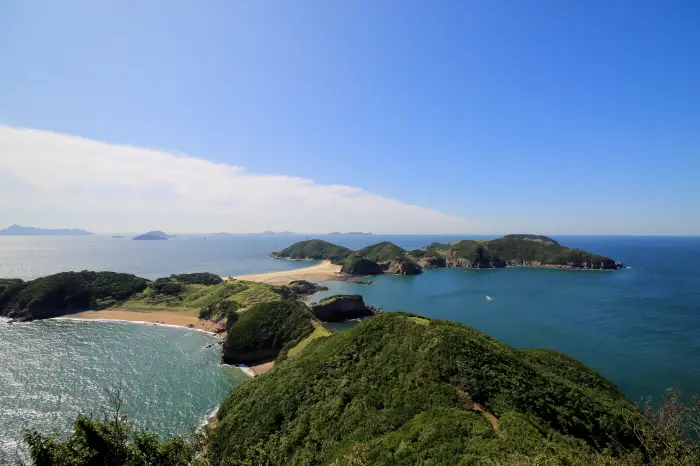
Often called the Galapagos of Korea, Guleopdo Island is an untouched, mystical destination. Highly praised as a must-visit spot for Koreans, it is an exceptionally beautiful island. Its main sights include Guleop Beach and the dock, and with a small population, there are virtually no convenience facilities. Most of the island is surrounded by mountainous terrain, lending it a strong natural ambiance with few to no artificial facilities. Thanks to this, its exquisite natural environment remains completely preserved, and with minimal light pollution, the Milky Way can be seen clearly on summer nights, making the Gaemeori Hill area a constant favorite for campers. With a total population of fewer than 20 residents, this small island is famous for Deokmulsan Mountain, Yeonpyeongsan Mountain, Gaemeori Hill, Tokkiseom Island, and Elephant Rock, and it features two beaches: Guleop Beach and Mokgimi Beach. Its vast pristine grasslands, diverse coastline, and stunning views of the island and sea from mountaintops make it immensely popular among photographers and backpackers. Offering views of the sky, sea, and grasslands all at once, Guleopdo Island boasts such spectacular scenery that even the title "Galapagos of Korea" feels insufficient.MoreLess

- 2Ganghwa Luge (Ganghwa Seaside Resort)
강화루지(강화씨사이드리조트)
Ganghwa Seaside Resort brings joy, happiness, and love with the western Seoul metropolitan area's only luge, gondola, food court, and themed walking trails. Located not far from the busy city center, it is a place where you can feel the deep mood of nature where mountains meet the sea. Taking the gondola up to the summit amid the rich forest scent leads to an observatory overlooking the scenic Ganghwado beach, famous for its beautiful sunsets. The luge track, the longest in Asia, offers a dynamic 1.8 km downhill descent and is designed with engaging themes that the whole family can enjoy together.MoreLess

- 3
Joyang Bangjik
조양방직
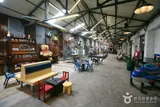
Established in 1933 with domestic capital, Joyang Bangjik was Ganghwa's first artificial silk factory, but as Ganghwa's textile industry declined over time, it was abandoned. Once a deteriorating eyesore, the building was reborn as a massive cafe. The crumbling walls were transformed into a splendid art gallery and cinema, the long workbenches turned into coffee tables, and the space left behind by machines and workers was filled with antiques collected from China, Europe, and beyond. British doors with cracked glass panes, round mirrors once mounted on vintage Czech trains, and bungeoppang molds that worked hard every winter were placed naturally as if they had always belonged there. Preserving the original factory site of over 990 m² and its structural framework, the cafe weaves stories of the past throughout the space. It currently serves a variety of beverages and cakes.MoreLess
- 4
Gimpo Munsusanseong Fortress
김포 문수산성
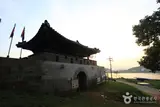
Located on Munsusan Mountain (376 m), Munsusanseong Fortress is Historic Site No. 139, built in 1694 (the 20th year of King Sukjong of the Joseon Dynasty) to defend Ganghwado Island and fend off foreign invaders arriving by sea. At the time, it featured North, West, and South Gates, but all three were destroyed by fire during the French campaign against Korea (Byeong-in yangyo) in 1866. Restoration of the North Gate was completed in 1995, followed by the South Gate in 2002. The total length of the fortress is 6 km, with 4 km currently remaining unrestored. Munsusanseong Fortress offers magnificent surrounding scenery; from the summit, one can see North Korean territory, Samgaksan Mountain in Seoul across the Hangang River ports, and the distant waters off Incheon. Known as the Geumgangsan of Gimpo, it boasts natural beauty across all four seasons. It holds great significance as a living educational site of resistance against foreign invasions in the late Joseon period, and nearby stands Munsusa Temple, said to have been founded during the reign of Queen Jinseong of Silla. Hiking access is available from both Gunha-ri and Seongdong-ri. * Major Cultural Heritage - Stupa and Stele of Master Pungdam at Munsusa Temple Site (Tangible Cultural Heritage)MoreLess
- 5
Dado Museum
다도박물관
This private tea culture museum exhibits around 3,000 tea ceremony utensils to illuminate the history of Korean tea culture. Situated on a 33,058 m² (approx. 10,000 pyeong) property, it features auxiliary facilities such as a sculpture park and an outdoor installation art museum. It hosts diverse cultural events and performances, along with pavilions, a pond, and lawn gardens where visitors can experience nature and receive education on traditional Korean lifestyle culture and character building. Furthermore, it plans to organize various special exhibitions to recreate living etiquette and the history of tea culture while fulfilling the public's cultural interests.MoreLess
Source: Korea Tourism Organization (TourAPI) · Machine-translated