2-Day Autumn Trip in Pocheon to Enjoy the Scents of Nature
7 stops · Approx. 2 hours
Experience the autumn scents of nature in Pocheon, a city of forests and water! From the Korea National Arboretum to the fragrant Herb Island, embark on a heartwarming journey! At the Korea National Arboretum, you can admire watercolor-like autumn foliage, and at Sansawon, you can immerse yourself in an elegant and fragrant atmosphere that teaches the aesthetics of slowness. Enjoy a relaxing trip filled with serene charm.
- Duration
- Approx. 2 hours
- Distance
- 88km
Along the way
- 1
Dong-i Sonmandu
동이손만두
The handmade dumpling hot pot, made with beef broth and stuffed with flour dough, tofu, kimchi, and mushrooms, has a satisfying texture and a refreshing, clean soup enhanced by mushrooms. The steamed dumplings, generously filled with cabbage and mushrooms, have long been a favorite delicacy among food enthusiasts.MoreLess
- 2
Korea National Arboretum
국립수목원
The specialized exhibition gardens include the Ornamental Tree Garden featuring highly aesthetic trees, the Flowering Tree and Shrub Garden with beautiful blossoms, the Wetland Plant Garden for wetland flora, as well as an Aquatic Plant Garden, Medicinal Plant Garden, Edible and Medicinal Plant Garden, Shrub Garden, Climbing Plant Garden, Touch and Smell Garden for the visually impaired, and a Warm-Temperate Greenhouse.MoreLess
- 3
Pocheon Intangible Cultural Heritage Training Center
포천무형문화재 전수교육관
The Pocheon Intangible Cultural Heritage Training Center is a complex cultural space gathering Pocheon's intangible cultural heritage training facilities. It displays traditional ancestral tools such as ironing stones, beaters, braziers, well buckets, bamboo trays, and pack saddles, and offers cultural heritage education and hands-on programs. The second floor features small and large practice rooms to experience Pocheon's cultural heritage, as well as an educational program for transmitting Gyeonggi-do Intangible Cultural Heritage 'Menari'.MoreLess
- 4Pocheon Sansawon
포천 산사원
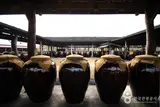
This Korean traditional liquor museum focuses on home-brewed gayangju. Giant liquor jars lined up in Sewollang of the Sansa Garden offer a spectacular view, and vintage artifacts and related materials provide interesting insights. After exploring the museum, visitors can sample fresh traditional liquor from Baesangmyeon Brewery and participate in experience programs to brew gayangju (home-brewed liquor), fruit wines, and seasonal liquors. It is a traditional liquor gallery that is also very popular among international visitors.MoreLess
- 5
Jangsuchon
장수촌
Located in Hwahyeon-ri, Pocheon-si, this establishment is a designated representative restaurant of Pocheon-si. It is situated close to Herb Island, Sanjeong Lake, and Unaksan Mountain. As a well-being restaurant, it serves traditional local meals cooked exclusively with clean, natural agricultural produce. Specializing in soft tofu and barley rice, it can accommodate various group gatherings and events.MoreLess
- 6Pocheon Art Valley
포천아트밸리
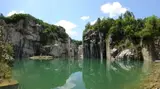
A picturesque emerald lake framed by sheer granite cliffs like a folding screen! Pocheon Art Valley, a complex cultural and artistic space where visitors can appreciate and enjoy art in nature, was once an abandoned and unsightly quarry that no one visited until the 1990s. Today, it has been completely transformed into a healing destination visited by 400,000 people annually where nature and art coexist. In particular, the Astronomical Science Museum, which opened in 2014 to allow stargazing under the night sky, has gained immense popularity as an educational attraction for children and a dating course for couples.MoreLess
- 7Herb Island
허브아일랜드
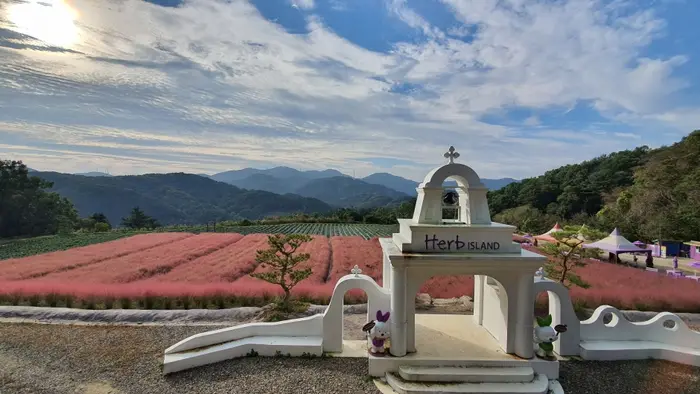
Herb Island is the nation's largest herb botanical garden, registered as a Category 1 specialized botanical museum featuring a botanical garden and exhibition halls (110,000㎡) within a tourist farm (329,000㎡). The Herb Botanical Museum houses over 250 species of herbs and various plants, allowing visitors to enjoy bright and lush greenery year-round. It consists of four indoor exhibition halls and an outdoor exhibition area. Each hall is centered around specific herbs and plants, serving as an engaging space for visitors, an ecological learning area for children, and a relaxing retreat.MoreLess

Source: Korea Tourism Organization (TourAPI) · Machine-translated