A 2-Day, 1-Night Gyeonggi-do Tour Course to Enjoy Both Ansan and Ganghwado Island
9 stops · Approx. 2 hours 55 minutes
A travel course heading to the outskirts of Seoul! Experience foreign cultures with your eyes and palate at Ansan Multicultural Street and Solti Indian Nepali Restaurant, stop by Bangameori Beach, and enjoy a hearty meal at Podobat Halmeoni Sonkalguksu. Afterwards, pass by Yeonmijeong Pavilion and Ganghwa Anglican Church to Strong Fire, Ganghwa Goryeogung Palace Site, and Ganghwa Sochang Experience Center for an emotional journey experiencing Ganghwa's history and culture.
- Duration
- Approx. 2 hours 55 minutes
- Distance
- 121 km
Along the way
- 1
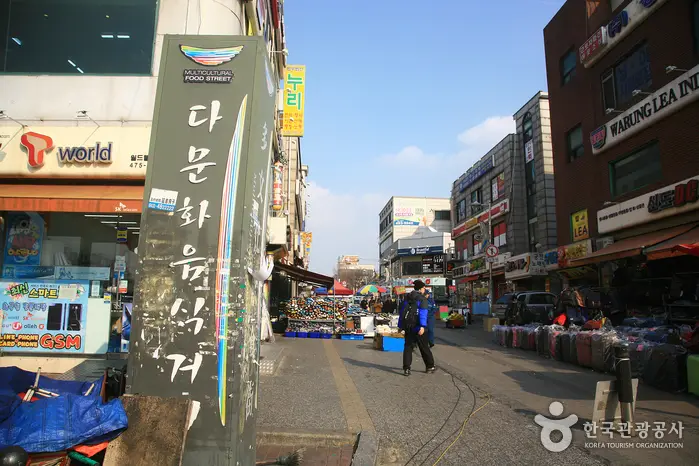
Ansan Multicultural Street
안산 다문화거리
Ansan is home to the largest foreign population in Korea. While some may look upon it with discomfort due to prejudice, setting aside bias reveals a small global village within Korea. The Wongok-dong area in Danwon-gu, Ansan-si, was designated a Multicultural Special Zone in 2009. It features a multicultural food street where you can taste a variety of foods from around the world, allowing you to enjoy traditional international cuisines without traveling abroad.MoreLess
- 2
Solti Indian Nepali Restaurant
솔티 인도네팔레스토랑
Located at the entrance of Multicultural Street opposite Ansan Station in Gyeonggi-do, Solti Indian Nepali Restaurant is run directly by a native Nepali, offering the authentic flavors of India and Nepal.MoreLess
- 3Bangameori Beach
방아머리해수욕장
This is the only beach located at the entrance when heading north across Daebudo Island. Although not large in scale, it is a great spot to enjoy a summer vacation, and the pine forest behind the beach makes it ideal for a walk. Bangameori Food Culture Street is established around Bangameori Beach, offering a variety of seafood dishes to savor.MoreLess
- 4
Podobat Halmeoni Sonkalguksu
포도밭할머니손칼국수
Podobat Halmeoni Sonkalguksu is a noodle specialty restaurant on Daebudo Island in Ansan-si, Gyeonggi-do, that has been passed down for three generations. Its signature menu item is the hearty bajirak kalguksu (noodle soup with clams), and the savory, crispy haemul pajeon (seafood scallion pancake) is also popular. The kimchi served in the restaurant is made in-house once a week using domestic seawater.MoreLess
- 5Yeonmijeong Pavilion
연미정
Yeonmijeong Pavilion is a pavilion designated as a Tangible Cultural Heritage of Incheon Metropolitan City on March 1, 1995. Having suffered damage during the Imjin War, the Byeongja Horan (Manchu invasion), and the Korean War, it has been restored. Counted as one of the Eight Scenic Views of Ganghwa, moon viewing from Yeonmijeong is exceptional. The open sea view seen from Yeonmijeong—a place of historical hardship—and the centuries-old pavilion trees add to its charm.MoreLess
- 6
Ganghwa Anglican Church
성공회 강화성당
Ganghwa Anglican Church was consecrated in 1900 by the first Bishop, Charles John Corfe (Goyohan), and named the Church of St. Peter and St. Paul. The overall architectural style follows traditional Korean architecture, while the layout and interior design adapt the Western basilica architectural style, highlighting the beauty of harmony and indigenous spirit.MoreLess
- 7
Strong Fire
스트롱파이어
Operated by a group of young people who love Ganghwado Island, this spot serves as a frequent hideout for local residents and a lively hub for various interactions. It operates as a guesthouse, pub, and restaurant. Along with the bright atmosphere created by the youth, it offers a variety of beers and diverse handmade dishes such as Italian pasta, tomato nabe, and cheese tteokbokki, making it a must-visit spot on a trip to Ganghwado Island.MoreLess
- 8
Ganghwa Goryeogung Palace Site
강화 고려궁지
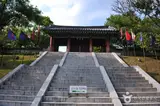
Goryeogung Palace Site is where the capital was relocated in the 19th year of King Gojong of Goryeo to resist the Mongol invasion, serving as the royal seat for 39 years. During the French Campaign against Korea in 1866 (Byeong-in Yangyo), the buildings were destroyed by French troops; today, only the Dongheon (magistrate's office) and Ibangcheong (administrative office) of the Yusu-bu remain. Repaired and renovated in 1977, it is used as an educational site for citizens, imparting historical lessons on national sovereignty and overcoming national crises.MoreLess
- 9
Ganghwa Sochang Experience Center
강화 소창체험관
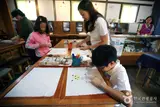
The Sochang Experience Center was established in 2016 by remodeling the former Pyeonghwa Weaving Mill, which had been a hanok and dye factory built in 1938. As a space that preserves the traditional cultural heritage and re-evaluates the value of sochang (natural cotton fabric)—a traditional industry of Ganghwa-gun—it regularly operates hands-on programs such as stamping sochang handkerchiefs, tea ceremony experiences, and sochang weaving demonstrations, allowing visitors to experience sochang with all five senses.MoreLess
Source: Korea Tourism Organization (TourAPI) · Machine-translated