A 2-Day, 1-Night Andong Travel Itinerary for a Peaceful and Restful Getaway
12 stops · Approx. 2 hours 36 minutes
A travel itinerary in Andong, a charming city where the past and present coexist! Enjoy traditional culture while visiting Buyongdae Cliff, Solbat Restaurant, Hahoe Byeolsingut Talnori, and Byeongsanseowon Confucian Academy. Pass by Andong Daejanggeum Jjimdak, Tourism Community Center Yeogi, and Isangnu Historic House, and then unwind and heal on a journey leading to Bongjeongsa Temple, Nakgangmulgil Park, Kkachigumeongjip, Andongpo Town, and Manhyujeong Pavilion.
- Duration
- Approx. 2 hours 36 minutes
- Distance
- 112km
Along the way
- 1Buyongdae Cliff
부용대
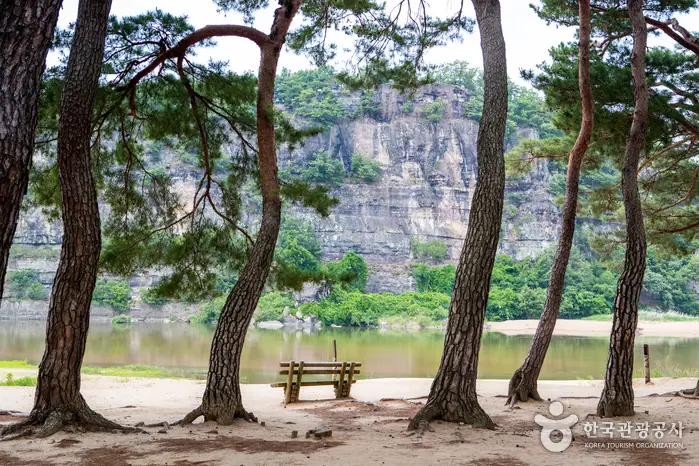
Buyongdae Cliff is a 64-meter-high cliff located at the very end of the Taebaek Mountain Range, offering a panoramic view of Andong Hahoe Village from the top. The name Buyongdae is derived from an ancient Chinese story, where "buyong" means lotus flower. It comes from the fact that the layout of Hahoe Village resembles a lotus flower, and it is called Buyongdae because it is the best spot to view Hahoe Village.MoreLess
- 2
Hahoe Solbat Restaurant
하회 솔밭식당
Located in Hahoe Market in Pungcheon-myeon, Andong-si, Gyeongsangbuk-do, Solbat Restaurant serves signature Andong dishes such as Andong jjimdak (braised chicken) and salted mackerel set meals. It is within walking distance of the Hahoe Byeolsingut Talnori performance venue and Hahoe Village, offering excellent accessibility to local attractions.MoreLess
- 3
Hahoe Byeolsingut Talnori
하회별신굿탈놀이
With a history of over 800 years, the performance candidly reveals the lives and conflicts of the ruling elite, privileged classes, and common people. Across six acts, it sharply satirizes societal contradictions and the authority of the ruling class from the mid-Goryeo period to modern times, relieving the frustrations and grievances of the populace. Transcending eras to connect with the present, it provides a festival venue that communicates beyond Korea to the world.MoreLess

- 4Byeongsanseowon Confucian Academy
병산서원
Its predecessor was Pungak Seodang, an educational institution for the Sarim (Neo-Confucian literati) during the Goryeo Dynasty, and was elevated to a seowon (Confucian academy) in 1863. It produced many scholars and was protected even when Daewongun issued the decree to abolish Confucian academies in 1868. Extensive repairs were carried out during the Japanese colonial period, with the lecture hall reconstructed in 1921 and the shrine in 1937. Memorial rituals are held every year in March and September in the courtyard. Designated as a Historic Site, it houses various literatures including the collected works of Master Seoae.MoreLess
- 5
Andong Daejanggeum Jjimdak
안동대장금찜닭
Located in the Old Market on Beonyeong 1-gil, Andong-si, Gyeongsangbuk-do, Andong Daejanggeum Jjimdak serves seasoned and fried chicken in addition to its signature jjimdak (braised chicken). Many tourists visit for its generous portions, and takeout delivery across the country is also available.MoreLess
- 6
Tourism Community Center Yeogi
관광커뮤니티센터 여기
Provided as a resting space for tourists visiting Andong, it features an unmanned cafe as well as a space for displaying and selling local specialty products.MoreLess
- 7
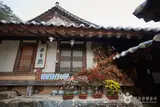
Isangnu Historic House
이상루 고택
Guests can experience heating the underfloor ondol with an agungi (traditional furnace) in winter, or sleep at Isangnu with a mosquito net or tent in summer, offering a unique experience for travelers used to city life. Offering various activities such as 'Tea Ceremony Experience' and 'Mask Dance Lesson', along with traditional yangban-style meals, it is highly recommended both for families wanting to experience traditional culture with their children and for international visitors wishing to experience the beauty of hanok firsthand.MoreLess
- 8Bongjeongsa Temple
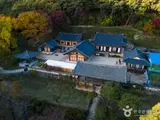
봉정사
It is a branch temple of Gounsa Temple, the head temple of the 16th District of the Jogye Order of Korean Buddhism. In 1972, during the dismantling and restoration work of Geungnakjeon Hall at Bongjeongsa Temple, a ridge beam inscription was discovered recording that the hall had been repaired in 1363 (the 12th year of King Gongmin during the Goryeo Dynasty). With this discovery, Geungnakjeon Hall of Bongjeongsa Temple came to be recognized as the oldest existing wooden building in Korea.MoreLess
- 9Nakgangmulgil Park
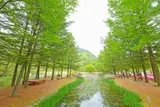
낙강물길공원
Known as the Giverny of Korea, Nakgangmulgil Park is also called the secret forest of Andong. Enjoying a solo picnic while looking out at the lake rivals any cafe experience. Taking photos at hidden photo spots scattered throughout gives you the illusion of stepping into a Monet painting. Ascending a little further past the forest shelter brings you to the stairs leading to Andongnu Pavilion, where you can take in a panoramic view of Andong Dam.MoreLess
- 10Kkachigumeongjip
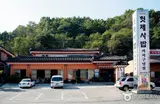
까치구멍집
Hutjesabap Kkachigumeongjip in Andong, Gyeongsangbuk-do, is surrounded by spacious daecheongmaru (wooden verandas), giving visitors the feeling of stepping onto a drama set or into a noble yangban estate. As it features memorial ritual food, the table setting is not extravagant, but it includes rice, soup, namul (seasoned vegetables), jeon (savory pancakes), and grilled items. Minimizing artificial seasonings, relying mainly on natural ingredients, and using traditional culinary techniques, it offers an exceptionally neat and clean, savory flavor.MoreLess
- 11
Andongpo Town
안동포타운
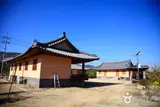
Andongpo Village is a place that carries on the tradition of Andongpo (fine hemp cloth). Andongpo is a fabric that enjoyed prestige as the fabric for Hwarangdo during the Silla Dynasty and as a royal tribute during the Joseon Dynasty. Today, in this village of Geumso-ri, efforts are underway to carry forward the heritage of Andongpo despite the dual hardships of small-scale production and imports of cheap Chinese hemp cloth.MoreLess
- 12Manhyujeong Pavilion
만휴정
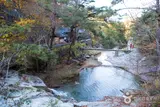
Manhyujeong Pavilion is a pavilion built in 1500 (the 6th year of King Yeonsangun's reign) by Kim Gye-haeng, whose pen name was Bobaekdang. The current building shows alterations from past restorations, with only parts exhibiting late Joseon architectural styles. Located across the stream and into the mountain valley from Mukgyeseowon Confucian Academy in Gilan-myeon, it faces southeast amidst magnificent scenery where valley streams cascade over large flat rocks alongside waterfalls.MoreLess
Source: Korea Tourism Organization (TourAPI) · Machine-translated