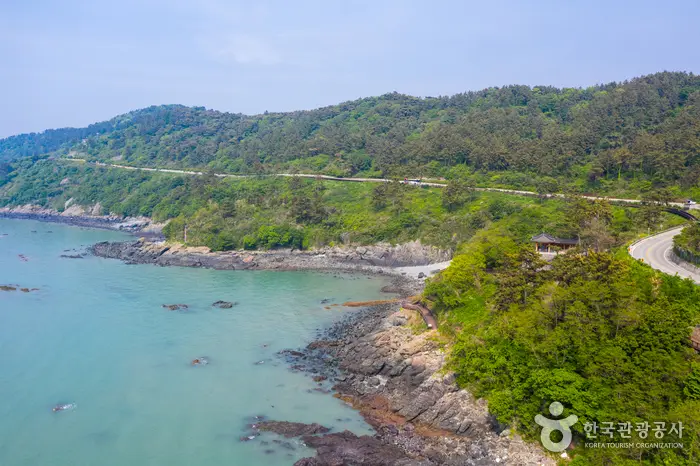
To Yeonggwang, a Beautiful and Warm Land Embracing a Thousand Years of Light!
5 stops · 56 min
Starting from Baeksu Coastal Road, which sweeps away all your stress, this travel course introduces the nature held by the tranquil land of Yeonggwang, the religions shaped by its profound contemplation, and the culture forged by its passionate spirit. Finally, why not reflect on all of this from Chilsan Tower and cherish the memories of Yeonggwang deep in your heart?
- Duration
- 56 min
- Distance
- 47.7km
Along the way
- 1
Baeksu Coastal Road
백수해안도로
Baeksu Coastal Road is a 16.8 km scenic coastal drive stretching from Gillyong-ri, Baeksu-eup, to Seokgumi Village in Baekam-ri, Yeonggwang-gun. It is one of the representative coastal driving courses along the West Coast, creating an enchanting landscape where bizarre rock formations, vast tidal flats, and blazing sunsets meet.MoreLess
- 2
Won-Buddhism Yeongsan Sacred Site
원불교영산성지
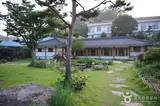
Won-Buddhism is a religion founded by Sotaesan Park Jung-bin (1891–1943). The sacred sites of Won-Buddhism include this Yeongsan Sacred Site in Yeonggwang—where Master Sotaesan was born and established the religion—as well as the Iksan and Byeonsan sacred sites. At this founding site, visitors can see the master's birthplace, the prayer site at Sambatjae, Madangbawi Rock, Norumok where he attained enlightenment, and Jeonggwanpyeong Reclaimed Land built with his disciples by diking the sea. Consequently, it attracts not only many devotees on pilgrimage from all over the country but also many tourists.MoreLess
- 3
Birthplace of Baekje Buddhism
백제불교최초도래지
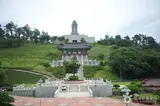
In the case of Goguryeo and Silla, the routes and initial sites of Buddhism's transmission onto the Korean Peninsula are clear, but Baekje's route and first arrival site remained uncertain. However, through academic verification by Dongguk University in 1998 for Yeonggwang-gun, Yeonggwang was confirmed to be the first arrival site of Baekje Buddhism. Jwau-du in Beopseongpo is where the Indian monk Marananta first set foot in 384 AD after traveling through China's Eastern Jin Dynasty to introduce Buddhism to Baekje, and it is being developed as a tourist attraction to commemorate this.MoreLess
- 4Supjaengi Park (Yeonggwang Beopseongjinseong Fortress)
숲쟁이공원(영광법성진성)
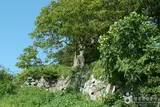
Beopseongjinseong Fortress in Supjaengi Park is a stone fortress situated on the southern slope of a hill adjoining the sea to the south, forming a rectangular shape in layout. The 'jaengi' in Supjaengi Park refers to 'jae', meaning a fortress or wall, thus Supjaengi signifies a fortress made of a forest. Supjaengi Park is one of Korea's 10 Most Beautiful Forests, where the fortress and woods blend with the port to create a distinct and picturesque view.MoreLess
- 5
Chilsan Tower
칠산타워
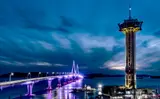
Chilsan Tower is the tallest observatory in Jeollanam-do at 111 meters, symbolizing the harmonious unity of the 11 eup and myeon districts of Yeonggwang-gun. Reaching a height where visitors can enjoy sweeping views of the West Sea's scenery and sunsets at a glance, stepping onto the observatory naturally elicits gasps of admiration.MoreLess
Source: Korea Tourism Organization (TourAPI) · Machine-translated