
How to Enjoy Autumn in Hongseong
5 stops · 2 days, 1 night
Here is how to make the most of autumn in Hongseong! Walk along the Hongjuseong Millennium History Trail, imbued with a thousand years of history, and immerse yourself in the vibrant red and yellow foliage signaling the arrival of fall. Connect with friendly birds at a parrot farm near Namdanghang Port, where seasonal jumbo shrimp and pen shells await, and end your day taking in the breathtaking views at Eosari Sunset Park. You can also check out Gwangcheon's cave-fermented salted shrimp just in time for the upcoming kimchi-making season.
- Duration
- 2 days, 1 night
Along the way
- 1
Hongjuseong Millennium History Trail
홍주성 천년역사길
The Hongjuseong Millennium Travel Trail is a course that explores Hongju, a prominent town in the Naepo region that has served as the political, economic, social, and cultural heart for a millennium while embracing its brilliant 1,000-year history.\nThe Hongjuseong Millennium Travel Trail consists of Goam-gil, symbolizing a hopeful Hongseong; Jangteo-gil, reflecting the vibrant heart of the grassroots economy; Maebongjae-gil, a healing space where you can refresh your tired body and mind away from urban suffocations; Hongjuseong-gil, capturing the lives and joys and sorrows of the Hongju people from the Goryeo and Joseon Dynasties to modern times; and a nostalgic alley trail that bridges the modern and contemporary eras.MoreLess

- 2
Goam Lee Ungno Birthplace Memorial Hall
고암이응노생가기념관
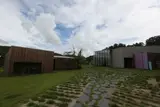
The Goam Lee Ungno Birthplace Memorial Hall is situated at the foot of a gentle mountain ridge in Junggye-ri, Hongbuk-myeon, Hongseong-gun, Chungcheongnam-do, where artist Lee Ungno was born and spent his childhood. Covering a land area of about 20,000㎡ and a floor area of about 1,000㎡, it serves as both a memorial hall and an art museum, featuring exhibition spaces including an exhibition hall, book café, and multipurpose room, alongside his thatched-roof birthplace, a lotus pond, and walking trails. Built to honor Lee Ungno as an individual artist, the facility functionally places strong emphasis on exhibition and storage spaces essential for an art museum. In this sense, the 'Goam Lee Ungno Birthplace Memorial Hall' should be appreciated not only as a memorial but also as an art museum.MoreLess
- 3
Agasae Farm
아가새 농장
Located near Namdanghang Port, home to the Jumbo Shrimp and Pen Shell Festival, this joyful haven for parrots is an experiential farm where you can see, hear, and connect with over 300 parrots across some 50 species, along with other small animals. Through feeding experiences with parrots and various animals, visitors can bond with them and observe their ecology up close.MoreLess

- 4
Eosari Sunset Park
어사리 노을공원
Eosari is a typical fishing village situated in the western part of the township, facing Cheonsuman Bay, known for its abundance of fish and sand. The name Eosari originated from the Chinese characters for fish (魚, eo) and sand (沙, sa). Eosari Sunset Park is equipped with walking trails, an observatory deck, plazas, rest facilities, and exercise equipment, allowing visitors to appreciate the stunning natural sunset over Cheonsuman Bay. The park features the sculpture 'Happy Time,' which depicts a man and a woman happily making a precious promise. The overall shape expresses the couple sharing this joyful vow. Crafted in openwork (pierced relief), the artwork is designed to capture the blue sky by day and the warm glow of the red sunset across the couple's faces by evening. By inviting lovers and families to sit on the bench and take photos against the backdrop of the sea and the ever-changing sky, the piece goes beyond traditional static relief, functioning as an interactive, modern photo-zone sculpture integrated into daily life.MoreLess

- 5Gwangcheon Togul Saeujeot Market
광천 토굴새우젓시장
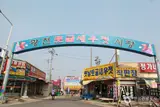
Gwangcheon-eup is renowned as a hub for salted fermented seafood (jeotgal), with shops filling almost every corner of the area. It is home to both the Gwangcheon Cave-fermented Salted Shrimp Traditional Market and streets lined with specialized salted shrimp stores. The salted shrimp (saeujeot) sold here is aged inside natural caves, offering a flavor and aroma far superior to those produced in other regions. It is said that the salted shrimp market in Gwangcheon first emerged during the Goryeo Dynasty through barter trade. At the time, two main markets operated in Gwangcheon, one of which was the salted shrimp market at Ongampogu Port. During its peak in the late Joseon Dynasty, vessels began bringing in catches from around ten islands along the West Coast to sell at Gwangcheon Market, transforming it into a nationwide hub for salted shrimp. Later in 1960, a local resident named Yoon Myeong-won, troubled by the spoilage and flavor inconsistency of salted shrimp during fermentation, took note of the constant temperature inside caves and developed a method of digging caves in the hillsides to store the shrimp. By aging it for about three months at a consistent temperature of around 14°C to develop its flavor, the distinctive aroma and taste began drawing widespread fame. Since then, Gwangcheon has become synonymous with cave-fermented salted shrimp, attracting merchants and consumers from all over the country during the kimchi-making season. The Gwangcheon Cave-fermented Salted Shrimp Traditional Market is a 3-minute walk from Gwangcheon Station, and cave-salted shrimp shops are lined along the roadside near the storage caves.MoreLess
Source: Korea Tourism Organization (TourAPI) · Machine-translated