A Seoul Tour to Feel the Spirit of the March 1st Movement
4 stops
Long Live Korean Independence! Take a unique journey through Seoul by walking along meaningful historical sites associated with the March 1st Movement. Reflect on our precious history and feel the spirit of independence once again at these momentous locations that played a pivotal role during the March 1st Movement.
- Distance
- 2km
Along the way
- 1
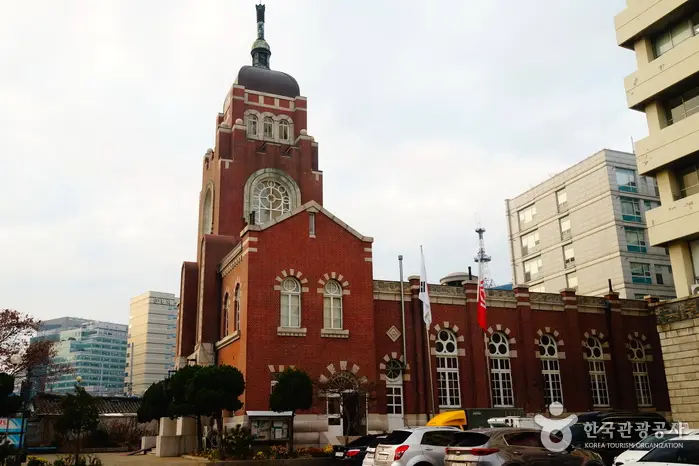
Cheondogyo Central Temple
천도교중앙대교당
Cheondogyo Central Temple is the supreme headquarters of Cheondogyo in Korea. Cheondogyo is rooted in Donghak, which was founded in 1860 by Suun Choe Je-u. In 1904, when Lee Yong-gu joined Iljinhoe and engaged in pro-Japanese activities, the third leader Son Byeong-hui renamed the religion to Cheondogyo in 1905 to distinguish it. Following the renaming, the Cheondogyo Constitution was promulgated in January 1906 and the religious order was reorganized. After national sovereignty was lost in 1910, the order promoted a national liberation movement and played a pivotal role during the March 1st Movement.MoreLess
- 2
Tapgol Park
탑골공원
Designated as Historic Site No. 354, this is Seoul's first modern park. As the birthplace of the March 1st Movement in 1919, where the Declaration of Independence was first read and cries for Korean independence were shouted, it is a historic place where the spirit of Korean independence remains alive.MoreLess
- 3
Site of Declaration of Independence Distribution (Seungdong Church)
독립선언서 배부터(승동교회)
Seungdong Church began as a church with strong nationalist characteristics. It also served as a mother church for Presbyterian churches in Gyeonggi-do. On February 20, 1919, about 20 representatives of vocational schools in Gyeongseong gathered in the basement of this church to discuss guidelines and plans for the March 1st Movement.MoreLess
- 4
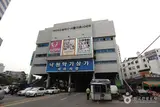
Nagwon Musical Instrument Arcade
낙원 악기상가
Located right next to Insadong Traditional Culture Street, Nagwon Musical Instrument Arcade has specialized exclusively in musical instruments and related products, information, and services since the 1970s, making it the largest of its kind in the world. Across some 330 instrument shops, visitors can purchase and find information on the latest domestic and international products, including guitars, orchestral instruments, percussion, traditional Korean instruments, advanced electronic instruments, and various sound and broadcasting equipment such as amplifiers and speakers. Along with high-end new products, used items can be exchanged and sold, and services such as repair, tuning, and exchange for used items like pianos are also offered.MoreLess
Source: Korea Tourism Organization (TourAPI) · Machine-translated