Confucian Culture Trail along the Pyeonghwa Nuri-gil
4 stops · 1 day
This journey traces the footsteps of Yulgok Yi I along the path of Confucian heritage. Starting from the hyanggyo, the cradle of Confucian education, the route passes through the Historic Site of Yi I in Paju and Hwaseokjeong Pavilion in Yulgok-ri before connecting with the Jeokbyeok Trail on Course 9 of the Pyeonghwa Nuri-gil. Looking out toward North Korea across the Imjingang River, this walking path offers a reflective journey where history, culture, and life intersect. Be sure not to miss the Hwangpodotbae (traditional yellow-sailed boat) experience as it glides leisurely across the Imjingang River.
- Duration
- 1 day
- Distance
- 33.44km
Along the way
- 1
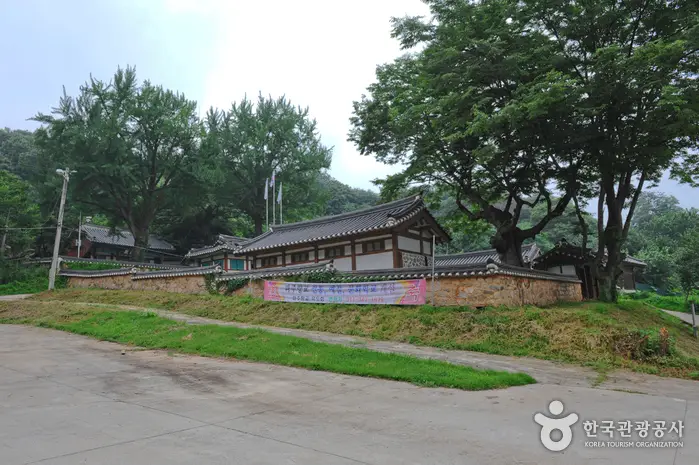
Paju Hyanggyo Local Confucian School
파주향교
Founded in 1398 (the 7th year of King Taejo) to enshrine and honor the tablets of revered Confucian sages, this institution was established to educate and cultivate the character of local residents.MoreLess

- 2Historic Site of Yi I, Paju
파주 이이유적
This is the historic site dedicated to Yulgok Yi I (1536–1584), a prominent scholar and statesman of the mid-Joseon period.
- 3
Hwaseokjeong Pavilion
화석정
Hwaseokjeong Pavilion was originally a place where Gil Jae, a late Goryeo Confucian scholar, returned to his hometown after resigning from public office upon the founding of the Joseon Dynasty to nurture future scholars. It is said that a seowon (Confucian academy) was later established here in his honor after his passing.MoreLess
- 4Hwangpodotbae Boat (Pyeonghwa Nuri-gil Course 9)
황포돛배(평화누리길 9코스)
The Pyeonghwa Nuri-gil trekking route is a walking trail open to everyone at any time. Located near the DMZ, it connects rice paddy paths, field roads, riverbank trails, and ancient paths across Gimpo, Goyang, Paju, and Yeoncheon, linking traces of war and division, well-preserved natural ecosystems, and historic sites.MoreLess

Source: Korea Tourism Organization (TourAPI) · Machine-translated