Encountering History in a Once-Restricted DMZ Village
4 stops · 1 day
There is a village named the 38th Parallel Village that was restricted for over 40 years, making it difficult even for residents to come and go. Needless to say, once the restrictions were lifted, access became much easier for both residents and visitors. Trace the footprints of the past across the village. Along the way, take in the royal tomb of Silla, ancient ruins, and scenic landscapes rooted in the Joseon Dynasty.
- Duration
- 1 day
- Distance
- 43.25km
Along the way
- 1
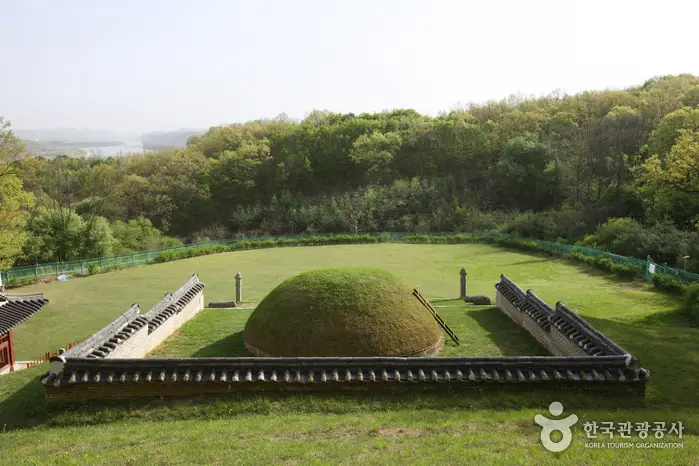
Royal Tomb of King Gyeongsun of Silla
신라경순왕릉
King Gyeongsun was the 56th and final monarch of the Silla Kingdom. His family name was Kim and his given name was Bu. A sixth-generation descendant of King Munseong of Silla, he ascended the throne in 927 after King Gyeongae died following an attack by Gyeon Hwon of Later Baekje.MoreLess
- 2
Horogoru Fortress Site
호로고루성지
Horogoru is located at a key crossroads connecting Gaeseong and Seoul, built atop a basalt cliff formed where a tributary from Wondang-ri flows into the Imjingang River.MoreLess
- 3
38th Parallel Village
38선마을
Located in southwestern Yeoncheon-gun, the 38th Parallel Village lies 9 km from the Demarcation Line with the Imjingang River flowing at its entrance. Comprising hills and farmland, the area is surrounded by cultural heritage sites such as the 1st Infiltration Tunnel, the Jeongok-ri Paleolithic Site, the Royal Tomb of King Gyeongsun, and Sunguijeon Shrine, making it an ideal destination for city dwellers seeking tourism and relaxation.MoreLess
- 4
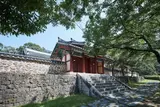
Sunguijeon Shrine
숭의전
Sunguijeon Site is the historic location of Sunguijeon Shrine, where ancestral memorial rites were held during the Joseon Dynasty to honor the kings and meritorious retainers of the preceding Goryeo Dynasty.MoreLess
Source: Korea Tourism Organization (TourAPI) · Machine-translated