In Search of Our Bells and Prints: A Trip to Jincheon [Welchon]
5 stops · Approx. 2 hours 30 minutes
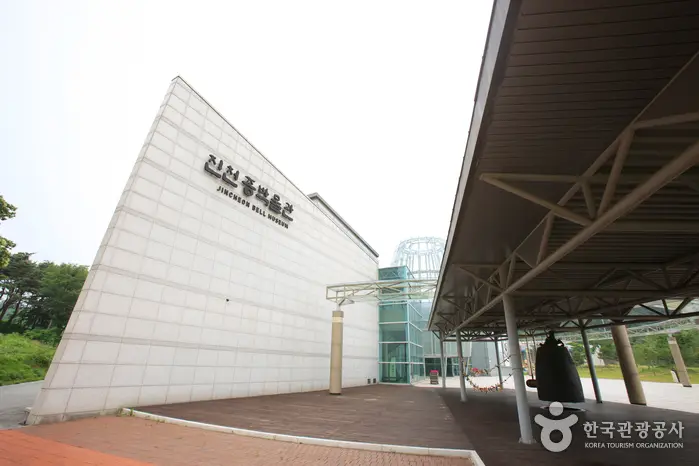
The Jincheon Bell Museum opened in September 2005 to promote the artistic value and excellence of Korean bells, which are recognized worldwide, through research, collection, exhibition, and preservation of Korean bells, as well as special exhibitions, education, and various activities.
- Duration
- Approx. 2 hours 30 minutes
- Distance
- 159.96km
Along the way
- 1
Jincheon Bell Museum
진천종박물관
The Jincheon Bell Museum opened in September 2005 to promote the artistic value and excellence of Korean bells, which are recognized worldwide, through research, collection, exhibition, and preservation of Korean bells, as well as special exhibitions, education, and various activities.MoreLess
- 2
Jincheon Five-Day Market
진천 오일장
Jincheon Market is held around the floodplains of Baegokcheon Stream across Jincheon Bridge and at the marketplace east of Jincheon Market. Market days fall on dates ending in 5 and 10. On market days, merchants as well as rural grandmothers flock here with wild spring greens directly gathered from the mountains and fields. With around 500 to 600 merchants, it is considered quite a large market.MoreLess
- 3
Jincheon Craft Village
진천공예마을
Jincheon Craft Village, located around Gongyechon-gil, Munbaek-myeon, Jincheon-gun, Chungcheongbuk-do, is a community where artisans in various fields—such as ceramics, woodworking, natural dyeing, and Hanji crafts—live together. Befitting a village of craftspeople, each house has its own unique character, like a work of art.MoreLess
- 4
Boryeon Village
보련마을
Boryeon Village is embraced deep within Manroesan Mountain. Boryeon Village is also called Hwarangchon Village because General Kim Yu-sin, a key figure in the unification of the Three Kingdoms, was from this region.MoreLess
- 5
Manroesan Natural Ecological Park
만뢰산 자연생태공원
This name is presumed to have been taken directly after a place name from the Goguryeo period. It stands at a height of 611 m. It is also called Mannosan Mountain or Iheulsan Mountain.MoreLess
Source: Korea Tourism Organization (TourAPI) · Machine-translated