Eomeong Abang Janchi Village, Where You Can Experience the Life and Culture of Jeju Residents (Welchon)
5 stops · Approx. 7 hours
If you already know all of Jeju's famous scenic spots, set out on a journey this time to experience the lives of the local people rather than just the scenery. At Sinpung-ri Rural Experience Village, affectionately called "Eomeong Abang Janchi Village," you can encounter the everyday life and culture of Jeju's locals. It offers a wonderful opportunity to discover the true essence of Jeju.
- Duration
- Approx. 7 hours
- Distance
- Approx. 40 km
Along the way
- 1Citrus Museum
감귤박물관
The Citrus Museum covers everything about citrus fruits, including their origins, history, and cultivation methods. The World Citrus Exhibition Hall, where around 100 varieties of citrus from all over the world are gathered in one place, is also a wonderful sight. Visitors can see a variety of citrus trees inside the glass greenhouse. While the museum interior offers plenty to see, the beautiful outdoor garden also features a scenic waterfall and walking trails ideal for forest bathing. Trees laden with deep green, unripened citrus fruits that match the color of their leaves are also an impressive view. MoreLess
- 2
Mulyeongari Oreum
물영아리오름
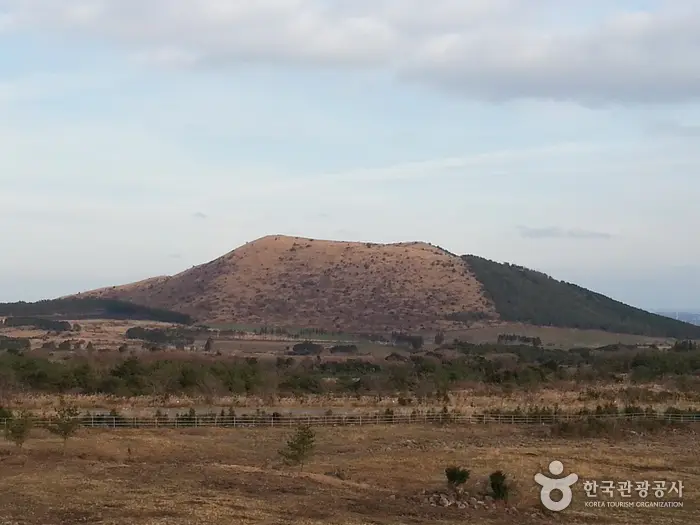
The name Mulyeongari Oreum comes from the meaning "Yeongari with water," as water gathers in the volcanic crater at the summit when it rains heavily. Because it is a wetland inhabited by various wetland flora and fauna, it was registered as the 5th Ramsar wetland in Korea and the 1,648th in the world in 2007. Legend says that when the mountain spirit of the oreum grows angry, the crater area becomes shrouded in fog, accompanied by thunder, lightning, and torrential rain. A walking trail of about 4.8 km circles around the oreum. The trail connects various themed paths, such as natural stream paths, ranch paths, cedar forest paths, and grassland paths, unfolding landscapes that never leave a dull moment. MoreLess
- 3
Ttarabi Oreum
따라비오름
If you want to fully enjoy autumn in Jeju, Ttarabi Oreum is an unmissable destination, offering sweeping waves of silvery silver grass. Ttarabi Oreum embraces three horseshoe-shaped craters connected across six peaks. Regarded as the most beautiful among Jeju's 368 volcanic cones, it is known as the "Queen of Oreums." When you climb the oreum, the silver grass glistens brilliantly, and the panoramic view of Mount Hallasan and the surrounding oreums huddled together creates a truly spectacular sight. MoreLess

- 4
Sinpung-ri Rural Experience Village
신풍리농촌체험휴양마을
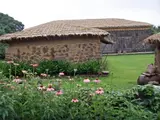
In 2002, this village became the first in Jeju to be designated as a rural theme village by the Rural Development Administration. Sinpung-ri Rural Experience Village is better known by the name "Eomeong Abang Janchi Village." The name "Eomeong Abang Janchi" carries the meaning of showing filial piety by throwing a feast for one's mother (eomeong) and father (abang). Traditional Jeju houses and cozy stone walls line the alleys throughout the village. Since Sinpung-ri encompasses both mountain and fishing villages, visitors can enjoy both mountain village and fishing village experiences.MoreLess
- 5Honinji Pond
혼인지
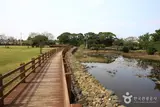
True to its name, which means "marriage pond," this is the site where the three founding gods of Jeju—Go, Yang, and Bu—held their weddings. The three deities, who emerged from Samseonghyeol, held a joint wedding with three princesses from the Kingdom of Byeongnang who had arrived at the coast of Seongsan-eup in a wooden chest; the venue for this joint ceremony was Honinji Pond. They raised the calves and foals brought by the princesses and sowed the seeds of the five grains, going on to lead a peaceful life. This is said to mark the beginning of agriculture and livestock farming in Jeju. The spot on the coast of Onpyeong-ri where the wooden chest was found is called "Kwesaeonggae," the place where it floated is called "Hwangrual," and the footprints where the three maidens first stepped onto the shore still remain on the rock today.MoreLess
Source: Korea Tourism Organization (TourAPI) · Machine-translated