Mokpo Vacation Travel Course
5 stops · 1 day
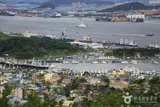
Mokpo is a tourist city full of things to do, see, and eat. It is always bustling with visitors looking to enjoy summer or fresh raw fish. This course is a great way to comfortably experience Mokpo. Make sure to visit the marine science museum for children, as well as Yudalsan Mountain—a symbol of Mokpo and the southwestern land's end that towers over the city center, offering views of Mokpo City and the archipelago. The remaining architecture from the Japanese colonial period will also provide a special experience for children.
- Duration
- 1 day
- Distance
- 7.28km
Along the way
- 1
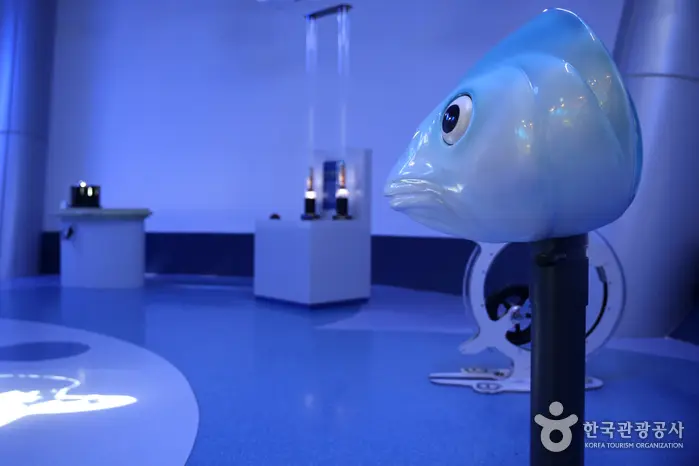
Mokpo Children's Ocean Science Museum
목포어린이바다과학관
Mokpo Children's Ocean Science Museum is a three-story building themed around the 'sea', consisting of five main exhibition spaces: Ocean Imagination Hall, Deep Sea, Middle Sea, Shallow Sea, and Sea Child Dome. The museum provides differentiated hands-on education in marine science to instill scientific thinking and skills in children, the future leaders of the 21st-century maritime era.MoreLess
- 2Yudalsan Mountain
유달산
Where the major ridge of the Noryeong Mountain Range surges up for the last time reaching the southern tip of the Muan Peninsula, Yudalsan Mountain covers an area of 140 ha and stands at an elevation of 228.3 meters. Though not particularly high, it is the very last peak of the Noryeong Mountain Range and the southwestern land's end connecting to the archipelago.MoreLess
- 3Nojeokbong Peak
노적봉
Nojeokbong Peak refers to a massive boulder peak located on Yudalsan Mountain in Mokpo. This peak is famous for being used by Admiral Yi Sun-sin to defeat enemy forces during the Imjin War, standing out as a prime example of his advanced psychological warfare using natural terrain.MoreLess
- 4
Japanese Colonial Period Buildings
일제강점기 건축물들
During the Japanese colonial period, Mokpo was one of the key ports through which military supplies and goods from the Korean Peninsula were siphoned off to Japan. As a result, many buildings from the Japanese colonial period still remain today.MoreLess
- 5Samhakdo Island
삼학도
Now connected to the mainland, the name Samhakdo originates from a legend that three islands rose where three cranes fell. Samhakdo consists of Daesamhakdo, Jungsamhakdo, and Sosamhakdo islands, and was historically known as an important site that provided firewood to Mokpojin Naval Base.MoreLess
Source: Korea Tourism Organization (TourAPI) · Machine-translated