Head to Gangwon-do to Enjoy Active, Unique Sports
9 stops · 2 Days, 1 Night
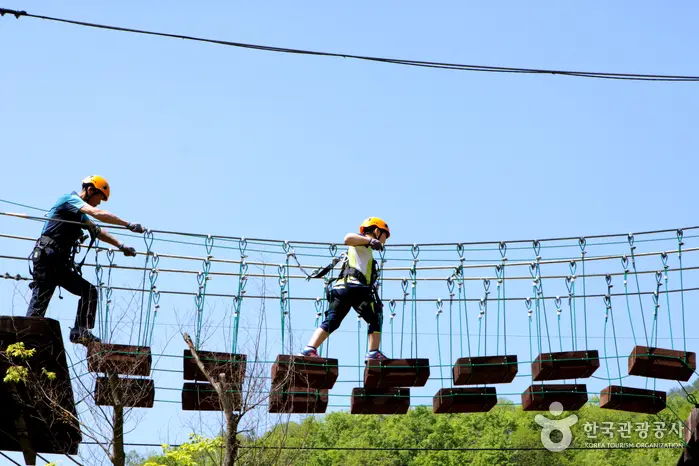
Naerincheon Stream in Inje, Gangwon-do, renowned for its beauty, is also famous for leisure sports. Hanging from the wire of the Waterside Park Zipline and cutting through the sky will bring you a healing experience hard to find anywhere else. Please note in advance that you cannot ride wearing slippers or high heels.
- Duration
- 2 Days, 1 Night
- Distance
- 27.25km
Along the way
- 1
Naerincheon Ziptrek Hue Leisure
내린천 짚트랙 휴레저
Zipline (Zip-Track) is a leisure sport where you suspend yourself from a single cable and glide at high speed. While riding the zipline along Inje's Naerincheon Stream, you can feel the wonders of Mother Nature and share the vibrant energy with those enjoying water sports down in the valley.MoreLess
- 2
Inje Hachu Village
인제 하추마을
Hachu Information Village, located in Inje-eup, Inje-gun, Gangwon-do, is a pristine village nestled between Seoraksan Mountain and Naerincheon Stream. Situated at an altitude of 250–600mm, it is an agricultural mountain village mainly producing various highland vegetables, wild edible greens, medicinal herbs, pine mushrooms, oyster mushrooms, shiitake mushrooms, and native mixed grains.MoreLess
- 3
Hachuri Mountain Village
하추리산촌마을
A place where you can enjoy the charms of a mountain village in Gangwon State, offering various experience programs and special drinks and snacks made with local ingredients at a village cafe run jointly by local residents.MoreLess

- 4
Inje Naerincheon Bungee Jump
인제 내린천 번지점프
Located within Hapgangjeong Park in Inje-eup, Inje-gun, Gangwon-do, Naerincheon Bungee Jump features an Australian leaning tower design. For maximum safety, the tower is tilted at a 60-degree angle and supported on both sides with steel structures, boasting top-tier safety built with transferred technology from Australia's world-famous Bungee Big. You cannot say you have truly experienced bungee jumping until you savor the thrill of leaping from a height of 63 meters overlooking Naerincheon Stream.MoreLess
- 5
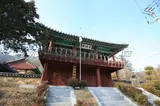
Injehyanggyo Local Confucian School
인제향교
Founded in 1610 (the 2nd year of King Gwanghaegun's reign) to enshrine and pay tribute to the spirit tablets of revered Confucian scholars and to educate and edify local residents. Designated as Gangwon-do Cultural Heritage Material No. 103, it conducts Chinese classics classes for students during vacation periods. The school is operated by one jeongyo (headmaster) and several jangi (officers).MoreLess
- 6
Hachuri Mountain Village
하추리산촌마을
A place where you can enjoy the charms of a mountain village in Gangwon State, offering various experience programs and special drinks and snacks made with local ingredients at a village cafe run jointly by local residents.MoreLess
- 7
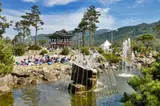
Hapgangjeong Pavilion
합강정
Hapgangjeong is a pavilion named after the Hapgang River, where the Naerincheon and Inbukcheon streams converge. Next to Hapgangjeong is the Gangwon-do Jungangdan Altar, built during the Joseon Dynasty. The Jungangdan was an altar established in the center of each province during the Joseon Dynasty to hold byeolyeoje (special memorial rituals) for wandering spirits who died wrongfully or had no descendants to perform rites for them, in order to ward off epidemics or droughts. Gangwon-do Jungangdan is said to have held these rituals until around 1843.MoreLess
- 8
Injehyanggyo Local Confucian School
인제향교
Founded in 1610 (the 2nd year of King Gwanghaegun's reign) to enshrine and pay tribute to the spirit tablets of revered Confucian scholars and to educate and edify local residents. Designated as Gangwon-do Cultural Heritage Material No. 103, it conducts Chinese classics classes for students during vacation periods. The school is operated by one jeongyo (headmaster) and several jangi (officers).MoreLess
- 9
Hapgangjeong Pavilion
합강정
Hapgangjeong is a pavilion named after the Hapgang River, where the Naerincheon and Inbukcheon streams converge. Next to Hapgangjeong is the Gangwon-do Jungangdan Altar, built during the Joseon Dynasty. The Jungangdan was an altar established in the center of each province during the Joseon Dynasty to hold byeolyeoje (special memorial rituals) for wandering spirits who died wrongfully or had no descendants to perform rites for them, in order to ward off epidemics or droughts. Gangwon-do Jungangdan is said to have held these rituals until around 1843.MoreLess
Source: Korea Tourism Organization (TourAPI) · Machine-translated