Walking Along the Coastal Trail Brings Natural Healing
9 stops · 7 hours
Created along the edges of Byeonsanbando National Park, the Masil-gil Trail offers scenic views of the West Sea, coastal rock formations, the scent of pine needles and sea breeze, soft soil and lush vegetation, the sound of crashing waves, and beautiful sunsets. On Course 3, the Jeokbyeokgang Sunset Trail, visitors can encounter breathtaking coastal scenery such as Jeokbyeokgang Cliff and Chaeseokgang Cliff, which were formed during the Cretaceous period of the Mesozoic Era tens of millions of years ago. Hands-on activities at Mohang Fishing Experience Village also add to the joy of the journey.
- Duration
- 7 hours
- Distance
- 14.85km
Along the way
- 1
Haseom Island
하섬
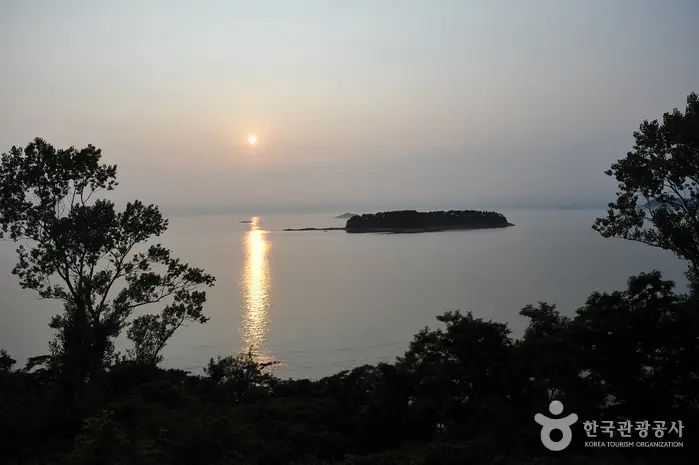
Haseom Island is located about 2 km from Byeonsan Gosapo Beach. It is called Haseom using the Chinese character for lotus (遐) because it looks like a lotus flower floating on the sea, and it is also called Haseom using the character for shrimp (鰕) because of its resemblance to a crouching shrimp.MoreLess
- 2
Mohang Fishing Experience Village
모항어촌체험마을
Mohang Village sits right next to Mohang Beach. As a coastal fishing village, local livelihoods are primarily centered on fishing for webfoot octopus, cuttlefish, and gizzard shad rather than agriculture. Staying at the Mohang Farmstay Village allows visitors to enjoy fresh and savory webfoot octopus sashimi in the spring, and plenty of gizzard shad in the summer. Guests can also enjoy quiet swimming at Mohang Beach and experience the fun of digging for clams and catching small octopuses on the nearby tidal flats.MoreLess
- 3Suseongdang Shrine
수성당
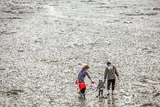
Suseongdang Shrine is a shrine dedicated to Gaeyang Halmeoni (the sea goddess who governs the West Sea) and her eight daughters. It is said to have been first established in 1801 (the 1st year of King Sunjo's reign during the Joseon dynasty), though the current building was newly rebuilt in 1996. According to legend, Gaeyang Halmeoni walked through the West Sea, filling in deep waters and marking dangerous spots to protect fishermen, while calming the winds and waves to ensure bountiful catches. Local fishermen continue to venerate her with great devotion.MoreLess
- 4
Chaeseokgang Cliff
채석강
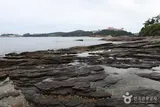
Chaeseokgang Cliff and Byeonsan Beach are considered the signature attractions of the Oebyeonsan (outer Byeonsan) area. Chaeseokgang is not a river, but rather the collective name for the layered rock cliffs and the sea around Gyeokpo Port and Daakibong Peak (200 m) at the western tip of the Byeonsan Peninsula, which are revealed at low tide. Visitors can explore Chaeseokgang twice a day when the tide goes out, discovering marine life clinging to the exposed sedimentary rock layers and marveling at the mystical sea caves. In particular, the view of the sunset from inside the sea cave at low tide is indescribably beautiful. MoreLess
- 5
Jeokbyeokgang Cliff
적벽강
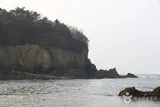
Following the white sand beach northward from Chaeseokgang Cliff for about 1 km leads to Jeokbyeokgang Cliff, which is separated from Chaeseokgang by Jungmak Village behind the beach. In front of Jungmak Village, a grove of silver magnolia trees (Natural Monument No. 123) serves as a windbreak. From here, the approximately 2 km stretch of coastline featuring cliffs and rock beds wrapping west around Yongdusan Mountain is called Jeokbyeokgang.MoreLess
- 6
Haseom Island
하섬
Haseom Island is located about 2 km from Byeonsan Gosapo Beach. It is called Haseom using the Chinese character for lotus (遐) because it looks like a lotus flower floating on the sea, and it is also called Haseom using the character for shrimp (鰕) because of its resemblance to a crouching shrimp.MoreLess
- 7
Chaeseokgang Cliff
채석강
Chaeseokgang Cliff and Byeonsan Beach are considered the signature attractions of the Oebyeonsan (outer Byeonsan) area. Chaeseokgang is not a river, but rather the collective name for the layered rock cliffs and the sea around Gyeokpo Port and Daakibong Peak (200 m) at the western tip of the Byeonsan Peninsula, which are revealed at low tide. Visitors can explore Chaeseokgang twice a day when the tide goes out, discovering marine life clinging to the exposed sedimentary rock layers and marveling at the mystical sea caves. In particular, the view of the sunset from inside the sea cave at low tide is indescribably beautiful.MoreLess
- 8
Mohang Fishing Experience Village
모항어촌체험마을
Mohang Village sits right next to Mohang Beach. As a coastal fishing village, local livelihoods are primarily centered on fishing for webfoot octopus, cuttlefish, and gizzard shad rather than agriculture. Staying at the Mohang Farmstay Village allows visitors to enjoy fresh and savory webfoot octopus sashimi in the spring, and plenty of gizzard shad in the summer. Guests can also enjoy quiet swimming at Mohang Beach and experience the fun of digging for clams and catching small octopuses on the nearby tidal flats.MoreLess
- 9
Jeokbyeokgang Cliff
적벽강
Following the white sand beach northward from Chaeseokgang Cliff for about 1 km leads to Jeokbyeokgang Cliff, which is separated from Chaeseokgang by Jungmak Village behind the beach. In front of Jungmak Village, a grove of silver magnolia trees (Natural Monument No. 123) serves as a windbreak. From here, the approximately 2 km stretch of coastline featuring cliffs and rock beds wrapping west around Yongdusan Mountain is called Jeokbyeokgang.MoreLess
Source: Korea Tourism Organization (TourAPI) · Machine-translated