Visiting Jeju's Unique Cafes
4 stops · 6 hours
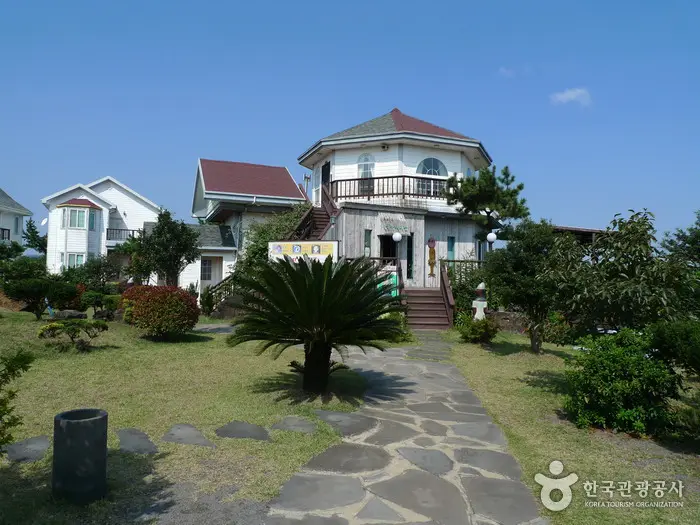
Jeju is filled with a variety of food and sights, but let's take a journey to discover some truly special and delicious tea and cafe spots. This course introduces unique dessert cafes known to Jeju locals as well as distinctive spots where you can enjoy special experiences. In particular, the cozy ambiance and warm coffee of Warang Warang, located near a camellia colony, will leave you with unforgettable memories of Jeju.
- Duration
- 6 hours
- Distance
- 23.54km
Along the way
- 1
Warang Warang
와랑와랑
Located in Wimi-ri village in southern Jeju—an essential stop on any winter trip to the island—Warang Warang sits just a few steps away from a charming camellia colony that blooms with vibrant red flowers in midwinter. The cafe serves a variety of coffees, teas, cookies, and juices, with the sweet red bean latte and grilled sticky rice cake being its signature winter delicacies. The sweet red bean latte, made by boiling domestic red beans in-house, is smooth, nutty, and subtly sweet, while the lightly grilled sticky rice cake dusted with plenty of roasted soybean powder makes for a satisfying light meal. In addition to the cafe, the owners run a certified organic tangerine farm, making the drinks crafted from their farm's high-quality tangerines exceptionally popular.MoreLess
- 2
Jeju Herb Dongsan
제주허브동산
Beginning with land acquisition in 2000, Herb Dongsan was developed over roughly five years across a 59,504 m² (18,000 pyeong) site. Today, it features a diverse themed park with colorful gardens and small hills filled with approximately 180 species of herbs and native wild flowers, alongside a 611.6 m² (2,000 pyeong) experiential tangerine farm. The grounds also offer walking trails winding through the herb gardens, an herb shop selling various herb-related products, a cafe serving fusion dishes prepared with herbs, and an herb experience hall where visitors can learn about herbs and participate in various hands-on activities.MoreLess
- 3
Jeju Folk Village Museum
제주민속촌박물관
Setting the 1890s in the late Joseon Dynasty as its baseline era, the Jeju Folk Village Museum comprehensively organizes and exhibits traditional folk materials of Jeju Island. In particular, its roughly 100 traditional houses were not merely built to look authentic; actual homes where Jeju islanders lived were moved stone by stone and pillar by pillar to achieve an almost complete restoration. These traditional houses exhibit approximately 8,000 pieces of folk materials, including everyday household tools, farming implements, fishing gear, furniture, and stone artifacts. MoreLess
- 4
Jeju Doltogori Cafe
제주돌토고리카페
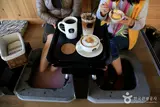
Located right behind Pyoseon Haevichi Beach and Pyoseon Port, Doltogori Cafe is a cozy spot where you can enjoy desserts and a relaxing foot bath. It is popular for its unique foot bath tubs made of black basalt, as well as its homemade gelato and baked goods. Its distinctive breads are especially well loved, offering a truly unique charm found nowhere else. The seafood bread—made with squid, spear squid, octopus, and conch—is Doltogori's signature item. While unassuming on the outside, it is packed with seafood that sets it apart from ordinary bread, offering a surprisingly great harmony between the fluffy dough and finely chopped seafood. The second floor is designed as a foot bath experience area. If you wish to enjoy a foot bath along with desserts, order your bread and drinks on the first floor, and staff will bring them to your foot bath table. Convenient tables are provided by each private tub to hold your drinks and treats.MoreLess
Source: Korea Tourism Organization (TourAPI) · Machine-translated