A 100-Year Journey Through Modern and Contemporary Times
3 stops · 6 hours
While exploring Gwangju, the 'City of Light,' you will find historical sites that paved the way for modernization preserved alongside touching stories, as well as generous hospitality in the numerous restaurants lining the streets, serving tablefuls of delicious delicacies. Set off on a journey to Gwangju Metropolitan City, where 100 years of history linger, and experience inspiring tastes and charms!
- Duration
- 6 hours
- Distance
- 56.31km
Along the way
- 1Jungoe Park
중외공원
Jungoe Park is a popular urban neighborhood park where visitors can relax surrounded by beautiful nature. The park features Children's Grand Park, Olympic Hill, and the Olympic Memorial Tower. Centered around the main hall, there are exhibition rooms such as the North Korea Hall, Education Hall, and Outdoor Exhibition Hall, along with sports facilities for soccer, tennis, baseball, and swimming, as well as the Folk Museum, Living Science Hall, History Hall, Culture Hall, and Local Products Exhibition Hall.MoreLess
- 2Wolbongseowon Confucian Academy
월봉서원
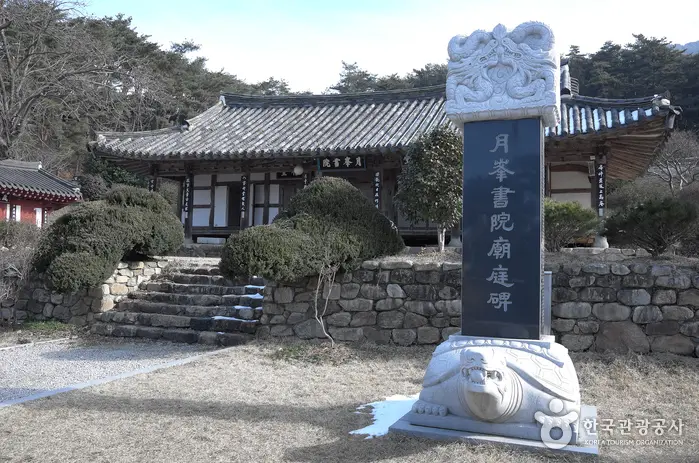
Wolbongseowon Confucian Academy was originally founded in 1578 (the 11th year of King Seonjo's reign) as Mangcheonsa Shrine in Sanwol-ri, Bia-myeon, Gwangsan-gun, built through a consensus among local Confucian scholars led by Kim Gye-hwi to honor the scholarship and virtue of Gi Dae-seung. It was relocated to its current location in 1646 (the 24th year of King Injo's reign) and was granted the royal charter name 'Wolbong' in 1654 (the 5th year of King Hyojong's reign).MoreLess
- 3
Daein Art Market
대인예술시장
Gwangju Daein Market opened as a public market in May 1959. As the nearby train station and bus terminal were relocated due to urban planning, visitors dwindled and shops gradually closed in this once-bustling market. Vitality began returning to the declining market in 2008 with the launch of the artists' 'Bokdeokbang Project.' Empty storefronts were transformed into artists' studios, offices, and craft workshops, reshaping the market's atmosphere. Night markets are held on the second and fourth Friday and Saturday of every month, offering a variety of programs combining traditional market culture and art. Gwangju Daein Market was designated as a Cultural Tourism Market from 2013 to 2015.MoreLess
Source: Korea Tourism Organization (TourAPI) · Machine-translated