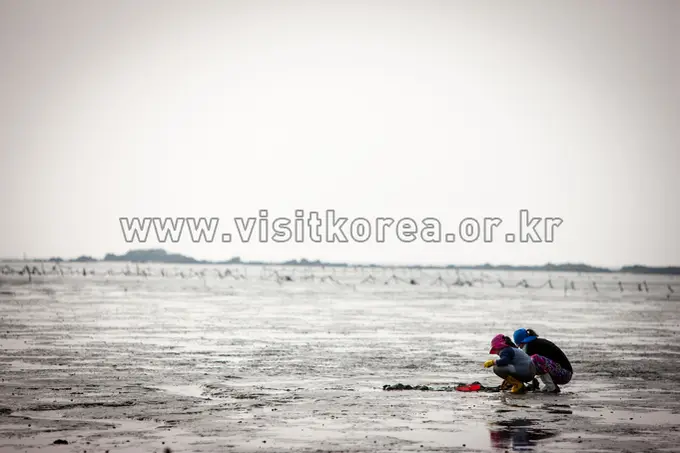
Lost in the Joy of Clam Digging Under the Sun
9 stops · 6 hours
Famous as Korea's largest producer of Manila clams, Gochang Hajeon Mudflat Village boasts vast clam farming grounds. The mudflat experience center here is well-equipped with plenty of clam rakes and mud boots, as well as changing rooms and shower facilities. The mudflat bus pulled by a tractor is a major highlight of the experience. For children, everything on the mudflat is a toy. Falling into tidal pools and getting covered in mud are all part of the fun.
- Duration
- 6 hours
- Distance
- 28.83km
Along the way
- 1
Gochang Hajeon Mudflat Village
고창하전갯벌마을
This village thrives by making the sea and mudflats its farmland. The village coastline stretches about 10 km along Gomso Bay, with mudflats covering an area of 170 ha. Around 4,000 tons of Manila clams are harvested from these mudflats each year. Riding a cultivator out into the vast mudflats to catch clams and explore the mudflat ecosystem makes this village a premier mudflat experience destination, attracting over 20,000 visitors annually. Visitors can experience harvesting clams, including Manila clams, anytime by following the village residents.MoreLess

- 2
Gochang Pansori Museum
고창판소리박물관
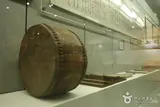
The Gochang Pansori Museum was established on the site of the historic house of Dongri Shin Jae-hyo, a theorist, adapter, and patron of pansori, to commemorate renowned master singers such as Shin Jae-hyo, Jin Chae-seon, and Kim So-hee, and to carry forward and develop the pansori tradition. Currently, only the sarangchae (men's quarters) of the historic house has been restored, and Dongri Gugakdang stands right next to it. The museum was founded to collect, preserve, investigate, research, exhibit, and interpret tangible and intangible pansori materials, thereby providing the public with opportunities for advanced education and appreciation of pansori art and ultimately establishing the area as a sacred ground for pansori.MoreLess
- 3
Seonunsa Temple (Gochang)
선운사(고창)
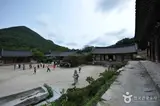
Said to have been founded in 577 (the 24th year of King Wideok of Baekje) by Master Geomdan, Seonunsa Temple is one of the two head temples of the Jogye Order in Jeollabuk-do, along with Geumsansa Temple. According to historical records preserved at Seonunsa Temple, it was once a grand temple where around 3,000 monks practiced across 89 hermitages at the time of its founding. Today, only the main temple and the hermitages of Dosolam, Chamdangam, Dongunam, and Seoksangam remain.MoreLess
- 4
Gochangeupseong Walled Town
고창읍성
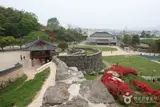
Gochangeupseong Walled Town is a natural stone fortress built in 1453 (the 1st year of King Danjong of Joseon) by the people of Jeolla-do with wisdom and preparedness to defend against Japanese invasions. Also known as Moyangseong Fortress, it served as an outpost defending the Honam inland in connection with Ibamsanseong Fortress of the Naju Jingwan command, and is preserved as a national defense cultural heritage. Designated as Historic Site No. 145 on April 1, 1965, the fortress has a perimeter of 1,684 m, a height of 4 to 6 m, and an area of 50,172 pyeong. It is equipped with key strategic facilities including east, west, and north gates, 3 barbicans (ongseong), 6 bastion towers (chiseong), and a moat outside the fortress walls. Originally, the fortress housed 22 government buildings such as the dongheon (magistrate's office) and gaeksa (guesthouse), along with 2 ponds and 4 springs, but these were lost to war. Only the fortress walls and Gongbuknu Pavilion remained, and efforts to restore the site to its original form have been underway since 1976. MoreLess
- 5
Gochang Dolmen Museum
고창고인돌박물관
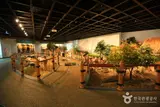
Gochang Dolmen Museum offers a comprehensive look at various Bronze Age relics, lifestyles, and dolmen cultures from around the world. The permanent exhibition hall consists of visiting information for the entire exhibition space and a symbolic exhibition area, which condenses the themes of the special exhibition rooms. In the experience space on the 3rd floor, visitors can directly try making fire, drawing petroglyphs, and building model dolmens. The spacious outdoor area is designed as a themed zone where visitors can experience the lifestyle of Gochang's Bronze Age people. It offers a variety of attractions, including a prehistoric village showcasing ancient life, a dolmen-pulling experience yard where visitors can try transporting a dolmen capstone, and an exhibition yard displaying representative tomb styles.MoreLess
- 6
Gochang Pansori Museum
고창판소리박물관
The Gochang Pansori Museum was established on the site of the historic house of Dongri Shin Jae-hyo, a theorist, adapter, and patron of pansori, to commemorate renowned master singers such as Shin Jae-hyo, Jin Chae-seon, and Kim So-hee, and to carry forward and develop the pansori tradition. Currently, only the sarangchae (men's quarters) of the historic house has been restored, and Dongri Gugakdang stands right next to it. The museum was founded to collect, preserve, investigate, research, exhibit, and interpret tangible and intangible pansori materials, thereby providing the public with opportunities for advanced education and appreciation of pansori art and ultimately establishing the area as a sacred ground for pansori.MoreLess
- 7
Gochang Dolmen Museum
고창고인돌박물관
Gochang Dolmen Museum offers a comprehensive look at various Bronze Age relics, lifestyles, and dolmen cultures from around the world. The permanent exhibition hall consists of visiting information for the entire exhibition space and a symbolic exhibition area, which condenses the themes of the special exhibition rooms. In the experience space on the 3rd floor, visitors can directly try making fire, drawing petroglyphs, and building model dolmens. The spacious outdoor area is designed as a themed zone where visitors can experience the lifestyle of Gochang's Bronze Age people. It offers a variety of attractions, including a prehistoric village showcasing ancient life, a dolmen-pulling experience yard where visitors can try transporting a dolmen capstone, and an exhibition yard displaying representative tomb styles.MoreLess
- 8
Gochangeupseong Walled Town
고창읍성
Gochangeupseong Walled Town is a natural stone fortress built in 1453 (the 1st year of King Danjong of Joseon) by the people of Jeolla-do with wisdom and preparedness to defend against Japanese invasions. Also known as Moyangseong Fortress, it served as an outpost defending the Honam inland in connection with Ibamsanseong Fortress of the Naju Jingwan command, and is preserved as a national defense cultural heritage. Designated as Historic Site No. 145 on April 1, 1965, the fortress has a perimeter of 1,684 m, a height of 4 to 6 m, and an area of 50,172 pyeong. It is equipped with key strategic facilities including east, west, and north gates, 3 barbicans (ongseong), 6 bastion towers (chiseong), and a moat outside the fortress walls. Originally, the fortress housed 22 government buildings such as the dongheon (magistrate's office) and gaeksa (guesthouse), along with 2 ponds and 4 springs, but these were lost to war. Only the fortress walls and Gongbuknu Pavilion remained, and efforts to restore the site to its original form have been underway since 1976.MoreLess
- 9
Seonunsa Temple (Gochang)
선운사(고창)
Said to have been founded in 577 (the 24th year of King Wideok of Baekje) by Master Geomdan, Seonunsa Temple is one of the two head temples of the Jogye Order in Jeollabuk-do, along with Geumsansa Temple. According to historical records preserved at Seonunsa Temple, it was once a grand temple where around 3,000 monks practiced across 89 hermitages at the time of its founding. Today, only the main temple and the hermitages of Dosolam, Chamdangam, Dongunam, and Seoksangam remain.MoreLess
Source: Korea Tourism Organization (TourAPI) · Machine-translated