Singing Kim Kwang-seok's Songs and Tasting Local Delicacies
8 stops · 1 day
To embark on a culinary journey in Daegu by subway, Line 1 Shincheon Station connects to Chicken Gizzard Alley, Jungangno Station to Yeontan Bulgogi Alley and Ttaro Gukbap Alley, and Anjirang Station to Anjirang Gopchang Alley.
- Duration
- 1 day
- Distance
- 20.95km
Along the way
- 1Daegu Modern History Museum
대구근대역사관
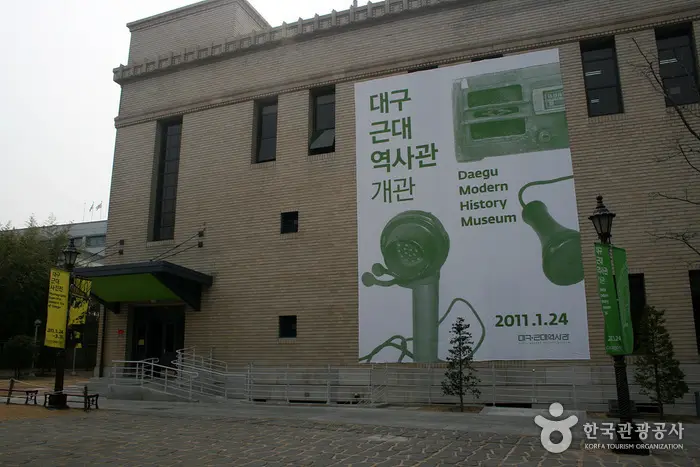
Located in Pojeong-dong, Jung-gu, Daegu, this museum opened on January 24th for a noble purpose in a Western-style building constructed in 1932 as the former Daegu Branch of the Joseon Siksan Bank, which was once infamous as a symbol of financial control and colonial exploitation during the Japanese colonial period. It is now designated as Daegu Tangible Cultural Heritage No. 49. The museum has a total floor area of 1,971㎡, featuring a permanent exhibition hall on the 1st floor, as well as a special exhibition hall, hands-on learning room, and cultural lecture room on the 2nd floor. The museum vividly conveys Daegu's lifestyle, customs, education, and culture from the late 19th to early 20th\ncenturies through models, exhibits, and video displays.MoreLess
- 2Daegu Modern History Streets (Tour of Modern Streets)
경상감영공원
Gyeongsang-gamyeong Park is an urban garden located in the heart of Daegu, well-designed with green forests, beautiful flower beds, and a lawn plaza to relieve fatigue and stress accumulated from busy city life. As a relaxing space equipped with a refreshing fountain that helps you forget the heat, atmospheric park lighting and music, as well as cozy walking paths and benches, it is a must-visit attraction for visitors to Daegu. There are cultural heritage sites related to Daegu's history, such as Seonhwadang Hall (Tangible Cultural Heritage No. 1), the office of the Gyeongsang-do Governor; Jingcheonggak (Tangible Cultural Heritage No. 2), used as the governor's residence; and Seonjeongbi (29 memorial monuments) detailing the governor's achievements. Seonhwadang holds significant value considering that very few government office buildings remain today. It is a single-story hip-and-gable roof building with 6 bays in the front and 4 bays on the sides, featuring a transitional bracket system that harmonizes the jusimpo and ikgong styles.MoreLess
- 3
Gukil Ttaro Gukbap
국일따로국밥
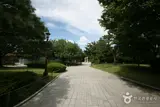
Designated as a Korean Traditional Culture Preservation store (Traditional Master Craftsman) in 1966, this establishment is also officially designated as a local traditional restaurant by Daegu Metropolitan City. Following a long tradition since 1946, it prepares dishes by adding beef, congealed ox blood (seonji), and various seasonings to richly simmered beef bone broth. It is a unique traditional Daegu dish named after the practice of serving the rice and soup separately (ttaro).\nMoreLess
- 4
Historic Residence of Seo Sang-don
서상돈 고택
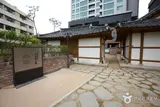
Seo Sang-don (1851–1913) was an entrepreneur, government official, and national independence activist in the late Joseon Dynasty. Having succeeded in Daegu as a peddler of paper and a fabric merchant, he became a government tax inspector and managed grain taxes. In 1907, believing that national sovereignty was being lost due to the government's heavy debt to Japan, he launched the National Debt Redemption Movement alongside Kim Gwang-je, president of Daegu Gwangmunsa, encouraging people to repay national debt by quitting smoking. Daegu Metropolitan City restored Seo Sang-don's birthplace, which was located next to the historic residence of Lee Sang-hwa in Gyesan-dong, established National Debt Repayment Movement Memorial Park, and erected a statue to honor his noble spirit.MoreLess
- 5Kim Kwang-seok-gil Street (Kim Kwang-seok Memorial Road)
김광석 길(김광석다시그리기길)
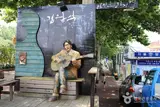
Kim Kwang-seok-gil Street is a mural street themed around the life and music of the late singer Kim Kwang-seok, created in an alley near Bangcheon Market in Daebong-dong where he once lived.\nStarted in November 2010 as part of the 'Bangcheon Market Munjeonseongsi Project', the street was created with the participation of Jung-gu Office and 11 artist teams. Along the 350m\n-long wall, Kim Kwang-seok's likeness and his song lyrics are depicted in various murals, such as a sculpture of Kim Kwang-seok, Kim Kwang-seok rolling noodles at a street food stall, and Kim Kwang-seok gazing at the sea.\nEvery autumn, the 'Kim Kwang-seok Song Contest' is held around Bangcheon Market and Dongseong-ro to commemorate the late Kim Kwang-seok.MoreLess
- 6Anjirang Gopchang Alley
안지랑 곱창골목
Formed along the road leading from Anjirang Five-way Intersection to Apsan Anjirang Valley, Anjirang Market has put its past glory behind and gained new vitality in recent years with seasoned gopchang (tripe) restaurants filling the area. Starting around 1979 with Chungbuk Restaurant near Anjirang Market, livelihood-driven businesses began to increase after the 1998 Asian financial crisis (IMF), leading to today's lively atmosphere. It has become a relaxing haven where everyday citizens can enjoy food without burden, as well as a youthful street driven by young people. Since 2007, efforts have been made to vitalize the shopping street by renovating signs, installing hand-washing facilities, and improving the business environment.MoreLess
- 7
Momyeongjae
모명재
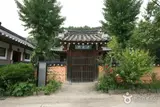
Momyeongjae is laid out facing south on a neat, square plot of land. Entering through the main gate, Momyeongjae sits in the front; it is a double-eaved, hip-and-gable roof building measuring 4 bays wide and 2 bays deep. It has ondol rooms on both sides centered around a 2-bay wooden-floored central hall (daecheong), with a half-bay-sized veranda (toetmaru) in front. The name Momyeongjae means longing for the motherland, the Ming Dynasty, and Mandongmun Gate attached to the entrance also takes its name from the phrase 'Baekcheon yusu pil jidong' (All rivers inevitably flow east), which likewise symbolizes not forgetting one's roots. It features a hall pillar inscribed with a Sino-Korean poem said to have been composed and sent by Admiral Yi Sun-sin, a spirit tablet monument (Shindobi) whose inscription was composed by Samnam Naval Commander Yi In-su (a 7th-generation descendant of Chungmugong), and two animal statues carved from bluestone brought from the Ming Dynasty. The tomb of Du Sa-chung is located at the foot of Hyeongjebong Peak behind the site.MoreLess
- 8Daegu Art Museum
대구미술관
Daegu Art Museum is a municipal museum supported by Daegu Metropolitan City. In addition to exhibitions that research and re-examine the historical value of Daegu's modern and contemporary art to promote its avant-garde nature, the museum plans and presents exhibitions introducing contemporary social and artistic issues as well as leading global art trends through domestic and international exchanges. Furthermore, it hosts invited lectures by distinguished figures, academy programs for citizens of various age groups including children and youth, and colorful performances and events that harmonize with the museum space. On the 3rd floor, there is an Art Information Center offering art-related books and a lounge where visitors can take a rest.MoreLess
Source: Korea Tourism Organization (TourAPI) · Machine-translated