Embracing Foot Bath Parks, Walking Trails, and Seoraksan Mountain
5 stops · 2 days, 1 night
Cheoksan Hot Springs offers a multifaceted charm beyond hot spring bathing. Along with the hot spring baths, visitors can enjoy a 'four-in-one' experience combining a foot bath park, a pine forest walking trail, and the scenic mountain ridges of Seoraksan Mountain. Soaking in the warm water soothes the weary body while delighting your eyes, nose, and feet. The pine forest walking trail surrounding Cheoksan Spa Recreation Village connects to Seorak Nuri-gil Trail and Cheoksan Village Foot Bath Park. Come and experience genuine healing.
- Duration
- 2 days, 1 night
- Distance
- 25.65km
Along the way
- 1Seoraksan Gwongeumseong Fortress
설악산 권금성
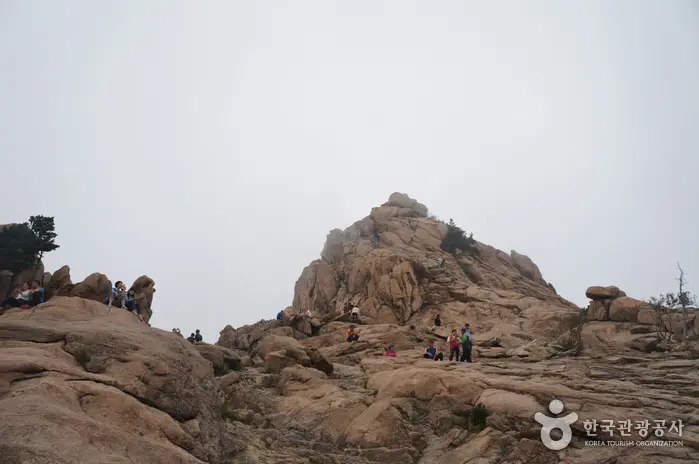
Gwongeumseong is a 2,100-meter-long mountain fortress built around an 80-kan wide rocky plateau 800 meters up a sheer, precipitous rocky mountain inside the Seorak-dong Sogongwon (Small Park). There are no clear records indicating when the fortress was built. However, legend has it that it was named Gwongeumseong because two strongmen, Gwon and Gim, built it during the Silla period to take refuge from war. Living in the same village, Gwon and Gim fled with their families during the turmoil. In their haste, they climbed to the mountain peak, but without a fortress, it was too difficult to fight the enemy troops. Gwon suggested building a fortress using stones from the stream, descending to the foot of the mountain to throw rocks upward. Gim caught them and began assembling the fortress, and according to legend, the fortress took shape overnight. It is said to have been named Gwongeumseong after the fortress built by the two strongmen, Gwon and Gim. Reaching this spot offers a panoramic view of Outer Seorak's breathtaking scenery and the boundless East Sea.MoreLess
- 2
Sinheungsa Temple (Seoraksan)
신흥사(설악산)
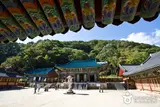
Founded by Master Jajang in the 6th year of Queen Jindeok of Silla (652), it was originally named Hyangseongsa Temple. After being destroyed by fire several times, three monks—Yeongseo, Yeonok, and Hyewon—shared the exact same dream in the 22nd year of King Injo of Joseon (1644) and built a temple on the current site, naming it Sinheungsa, meaning it was founded upon divine revelation. The temple preserves a 1,400-year-old temple bell cast at the time of its founding, a bronze steamer bestowed by King Sunjo of Joseon, Geungnakbojeon Hall (Local Tangible Cultural Heritage No. 14), Woodblocks (Local Tangible Cultural Heritage No. 15), Bojeru Pavilion (Local Tangible Cultural Heritage No. 104), and the Three-Story Stone Pagoda of Hyangseongsa Temple Site (Treasure No. 443), along with the Triad Buddha statues, Myeongbujeon Hall, Seonjeru Pavilion, and Chilseonggak Pavilion.MoreLess
- 3
Cheoksan Spa District (Accommodation)
척산온천지구(숙박)
Located at the foot of Seoraksan National Park in Sokcho-si, Gangwon-do, Cheoksan Spa is renowned for its superior water quality, designated as a nationally approved hot spring. It features spacious guest rooms and ample parking for a comfortable stay, as well as amenities such as hot spring baths, a lounge, a barbecue area, and a Korean restaurant for a relaxing break. In addition, seminar rooms make it ideal for business trips and workshops, and a convenient pick-up service to downtown Sokcho is provided.MoreLess

- 4Sokcho Seorak Sunrise Park
속초 설악해맞이공원
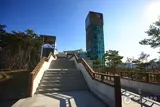
Located at the entrance of Seoraksan Mountain, the area formerly called Naemulchi has been renovated and renamed Seorak Sunrise Park. If Daepo Oeongchi is a hidden sea, the sea at Seorak Sunrise Park is an open sea. Situated along National Road 7, this transportation hub where roads diverge toward Daepo Port, Yangyang, and Seoraksan Mountain is an easily accessible destination for sunrise trips.MoreLess
- 5Sokcho Museum
속초시립박물관·속초실향민문화촌
Sokcho is a cultural city that preserves a unique local heritage where mountain village culture centered around Seoraksan Mountain, fishing village culture formed through life on the East Sea, and displaced people's culture—represented by Abai Village, formed by the mass influx and settlement of refugees after the Korean War—coexist. Sokcho Museum and Displaced People Culture Village are developed as cultural experience attractions where visitors can explore Sokcho's unique folk culture and personally experience local folk traditions.MoreLess
Source: Korea Tourism Organization (TourAPI) · Machine-translated