Gunsan Famous Food Tour
14 stops · 6 hours
Gunsan is a city renowned for its famous eateries. Do not miss tasting the seafood jjamppong at Bokseongru and the hotteok at the 70-year-old Jungdong Hotteok shop. Although you may have to wait in line, the nutty and savory taste of this well-being food is well worth it. Buying red bean bread at Leesungdang on your way back will add even more fun to your trip.
- Duration
- 6 hours
- Distance
- 9.51km
Along the way
- 1
Wolmyeong Park
월명공원
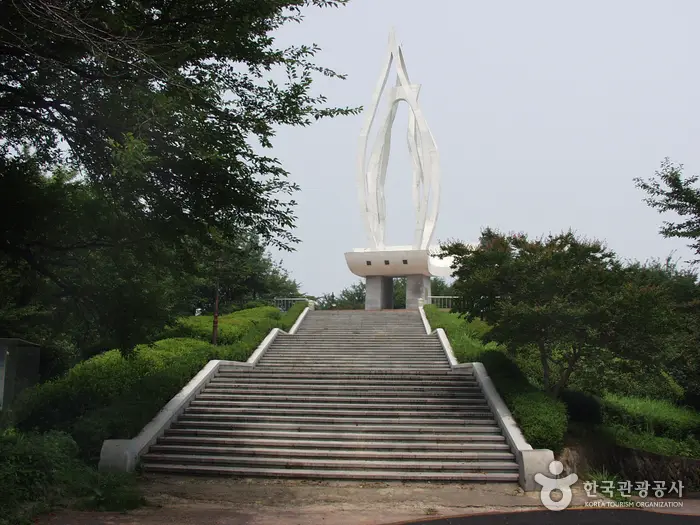
Wolmyeong Park is a famous attraction in Gunsan formed across connected mountains including Wolmyeongsan, Janggyesan, Seollimsan, Jeombangsan, and Seokchisan. In the 1960s and 70s, it was Gunsan's premier school excursion destination. It is a massive park covering a total area of about 770,000 pyeong with 12 km of walking trails. Spanning Haemang-dong and Sinheung-dong, climbing up to the Susi Tower—the symbol of both Gunsan and Wolmyeong Park—offers a panoramic view of the sea off Gunsan, the Geumgang River Estuary Bank, Gunsan downtown, and the Janghang Smelter. At the top of the park, there are an observatory, the Sea Sculpture Park, Susi Tower, the March 1st Independence Movement Monument, the 35th Port Opening Anniversary Monument, the Thinking Citizen Statue, and the Chae Man-sik Literary Monument.MoreLess
- 2
Gunsan Jungdong Hotteok
군산중동호떡
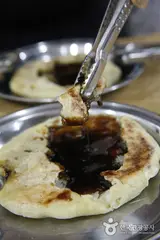
This is a 70-year-old hotteok shop located in Gunsan. It originally started in a humble store right in front, but has relocated across the street and is currently operating there. Inside, there are 3 to 4 tables and a waiting ticket machine. It is a famous place where you must pull a number ticket to taste the food. Jungdong Hotteok contains Gunsan's signature white glutinous barley and black food powder (black beans, black rice, black sesame, etc.), giving it a savory, chewy, and clean taste. It is also characterized by an abundance of syrup inside that almost overflows. The delicious way to eat hotteok at this shop is to tear the hotteok with tongs, peel off the top layer of crust, dip it in the syrup inside first, and then roll up the bottom crust with the remaining syrup.MoreLess
- 3
Wolmyeong Lake
월명호수
Within the embrace of Wolmyeong Park, the First Water Reservoir, built in 1912 to supply drinking water to citizens, has turned into a mountain lake exhaling water mist where wild birds and small animals quench their thirst, while under Seollimsan Mountain, several old trees at the thousand-year-old Eunjeoksa Temple tell the story of the passing years.MoreLess
- 4
Bokseongru
복성루
Bokseongru is a Chinese restaurant whose main dishes are jjamppong and jjajangmyeon. Bokseongru was selected as a famous restaurant in Gunsan, and menu items other than jjajangmyeon and jjamppong can only be ordered until 11:00 AM, 30 minutes after opening.MoreLess
- 5
Gunsan Haemanggul Tunnel
군산 해망굴
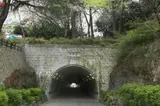
As a tunnel penetrating Haemangryeong Ridge located at the northern edge of the foot of Wolmyeongsan Mountain in Gunsan, it was built to connect Haemang-dong, the center of fisheries, with Gunsan downtown. Through the 3rd port construction project that began in 1926, the expansion of cargo unloading areas, additional installation of floating piers, and warehouse construction were carried out, and Haemanggul Tunnel was also completed during this process. During the Korean War, the North Korean military command stationed in Gunsan was located here, and it is said that bullet marks remained from daily machine gun bombings by UN and Air Force planes. Currently, vehicle access is blocked and only pedestrians can pass through. On October 16, 1926, during the 3rd port construction period of Gunsan Port, it was built with a length of 131 m and a height of 4.5 m to connect Meiji-dori (Jungang-ro 1-ga), the road in front of the former city hall at the time, with Haemang-dong, the center of fisheries.MoreLess
- 6
Bokseongru
복성루
Bokseongru is a Chinese restaurant whose main dishes are jjamppong and jjajangmyeon. Bokseongru was selected as a famous restaurant in Gunsan, and menu items other than jjajangmyeon and jjamppong can only be ordered until 11:00 AM, 30 minutes after opening.MoreLess
- 7
Dongguksa Temple
동국사
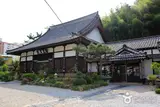
Dongguksa Temple holds a painful history; it was founded in 1909 by the Japanese monk Seoneungbulgwan and operated by Japanese monks for 36 years during the Japanese colonial period, before returning to the embrace of the Republic of Korea upon liberation on August 15, 1945. Thus, it has continued through the Korean Empire and the Japanese colonial period to the present day. As the only remaining Japanese-style temple in Korea, it is characterized by the main hall (Daeungjeon) and the monk's living quarters (Yosachae) being connected by an indoor corridor. Unlike Korean temples with colorful dancheong, the eaves without any decoration and the many windows on the exterior walls of the main hall reflect Japanese style. As a branch temple of Seonunsa Temple in Gochang, the 24th parish of the Jogye Order, Dongguksa Temple's Daeungjeon Hall was designated as National Registered Cultural Heritage No. 64 in July 2003.MoreLess
- 8Leesungdang
이성당
Located on Jungang-ro in Gunsan, Leesungdang is the oldest existing bakery in South Korea. The bakery's signature items are red bean bread and vegetable bread. Although they come out several times a day at set times, they are so popular that there is a separate waiting line just for these two types of bread. When there are many people waiting, the number of breads that can be purchased per person may be limited. In addition to the famous breads, freshly made sandwiches and milkshakes are also very popular.MoreLess

- 9
Wolmyeong Park
월명공원
Wolmyeong Park is a famous attraction in Gunsan formed across connected mountains including Wolmyeongsan, Janggyesan, Seollimsan, Jeombangsan, and Seokchisan. In the 1960s and 70s, it was Gunsan's premier school excursion destination. It is a massive park covering a total area of about 770,000 pyeong with 12 km of walking trails. Spanning Haemang-dong and Sinheung-dong, climbing up to the Susi Tower—the symbol of both Gunsan and Wolmyeong Park—offers a panoramic view of the sea off Gunsan, the Geumgang River Estuary Bank, Gunsan downtown, and the Janghang Smelter. At the top of the park, there are an observatory, the Sea Sculpture Park, Susi Tower, the March 1st Independence Movement Monument, the 35th Port Opening Anniversary Monument, the Thinking Citizen Statue, and the Chae Man-sik Literary Monument.MoreLess
- 10
Gunsan Jungdong Hotteok
군산중동호떡
This is a 70-year-old hotteok shop located in Gunsan. It originally started in a humble store right in front, but has relocated across the street and is currently operating there. Inside, there are 3 to 4 tables and a waiting ticket machine. It is a famous place where you must pull a number ticket to taste the food. Jungdong Hotteok contains Gunsan's signature white glutinous barley and black food powder (black beans, black rice, black sesame, etc.), giving it a savory, chewy, and clean taste. It is also characterized by an abundance of syrup inside that almost overflows. The delicious way to eat hotteok at this shop is to tear the hotteok with tongs, peel off the top layer of crust, dip it in the syrup inside first, and then roll up the bottom crust with the remaining syrup.MoreLess
- 11
Wolmyeong Lake
월명호수
Within the embrace of Wolmyeong Park, the First Water Reservoir, built in 1912 to supply drinking water to citizens, has turned into a mountain lake exhaling water mist where wild birds and small animals quench their thirst, while under Seollimsan Mountain, several old trees at the thousand-year-old Eunjeoksa Temple tell the story of the passing years.MoreLess
- 12
Gunsan Haemanggul Tunnel
군산 해망굴
As a tunnel penetrating Haemangryeong Ridge located at the northern edge of the foot of Wolmyeongsan Mountain in Gunsan, it was built to connect Haemang-dong, the center of fisheries, with Gunsan downtown. Through the 3rd port construction project that began in 1926, the expansion of cargo unloading areas, additional installation of floating piers, and warehouse construction were carried out, and Haemanggul Tunnel was also completed during this process. During the Korean War, the North Korean military command stationed in Gunsan was located here, and it is said that bullet marks remained from daily machine gun bombings by UN and Air Force planes. Currently, vehicle access is blocked and only pedestrians can pass through. On October 16, 1926, during the 3rd port construction period of Gunsan Port, it was built with a length of 131 m and a height of 4.5 m to connect Meiji-dori (Jungang-ro 1-ga), the road in front of the former city hall at the time, with Haemang-dong, the center of fisheries.MoreLess
- 13
Dongguksa Temple
동국사
Dongguksa Temple holds a painful history; it was founded in 1909 by the Japanese monk Seoneungbulgwan and operated by Japanese monks for 36 years during the Japanese colonial period, before returning to the embrace of the Republic of Korea upon liberation on August 15, 1945. Thus, it has continued through the Korean Empire and the Japanese colonial period to the present day. As the only remaining Japanese-style temple in Korea, it is characterized by the main hall (Daeungjeon) and the monk's living quarters (Yosachae) being connected by an indoor corridor. Unlike Korean temples with colorful dancheong, the eaves without any decoration and the many windows on the exterior walls of the main hall reflect Japanese style. As a branch temple of Seonunsa Temple in Gochang, the 24th parish of the Jogye Order, Dongguksa Temple's Daeungjeon Hall was designated as National Registered Cultural Heritage No. 64 in July 2003. MoreLess
- 14Leesungdang
이성당
Located on Jungang-ro in Gunsan, Leesungdang is the oldest existing bakery in South Korea. The bakery's signature items are red bean bread and vegetable bread. Although they come out several times a day at set times, they are so popular that there is a separate waiting line just for these two types of bread. When there are many people waiting, the number of breads that can be purchased per person may be limited. In addition to the famous breads, freshly made sandwiches and milkshakes are also very popular.MoreLess
Source: Korea Tourism Organization (TourAPI) · Machine-translated