A Solo Journey to a Fragrant Historic Traditional Village 1
10 stops · 4 hours
Jeonju is the ancestral home of Yi Seong-gye, the founder of the Joseon Dynasty. Today, it takes pride in being an ancient city where 'Han Style,' representing quintessential Korean culture, is gathered. Set off on a solo journey to Jeonju Hanok Village, regarded as one of the most authentically Korean destinations.
- Duration
- 4 hours
- Distance
- 2.95km
Along the way
- 1
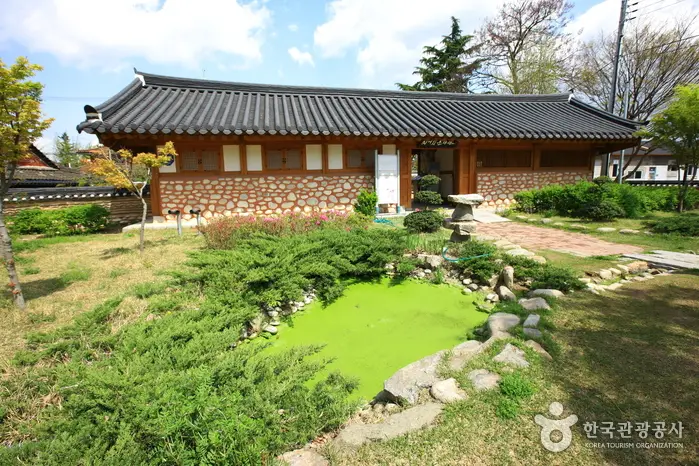
Choi Myeong-hee Literary Museum
최명희문학관
The Choi Myeong-hee Literary Museum systematically organizes and preserves the life and literature of author Choi Myeong-hee. It aspires to become a citizen-friendly urban literary museum that researches, learns, and shares inspiration with the public through studies on the anthropological significance of traditional culture and international cultural exchanges. It also serves as a cultural hub researching Jeonju's history and culture to develop cultural content, and a representative Korean literary museum broadly capturing the literary spirit of Jeonbuk writers, including Choi Myeong-hee.MoreLess
- 2
Royal Portrait Museum
어진박물관
Opened on November 6, 2010, the Royal Portrait Museum is a new tourism landmark in Jeonju and the center for preserving, managing, and promoting the brilliant cultural heritage of the Joseon royal court through diverse and sophisticated exhibitions centered on Gyeonggijeon Shrine and the Portrait of King Taejo. The museum has a total floor area of 1,193.71㎡ across one aboveground floor and one underground floor. The first floor exhibits the Portrait of King Taejo and newly replicated portraits of six kings (Sejong, Yeongjo, Jeongjo, Cheoljong, Gojong, and Sunjong). It also features exhibition spaces including the History Hall, Royal Palanquin Hall, and Special Exhibition Hall, along with a lounge, administrative and management offices, and storage facilities for relics.MoreLess
- 3
Gyeonggijeon Shrine
경기전
This is a representative historic site associated with King Taejo Yi Seong-gye, the founder of the Joseon Dynasty. Designated as Historic Site No. 339, the grounds house the Portrait of King Taejo (Treasure No. 931) and Jogyeongmyo Shrine (Tangible Cultural Heritage No. 16). It was founded in 1410 (the 10th year of King Taejong's reign) to enshrine the portrait of the founder of the Joseon Dynasty. The royal portrait enshrined here was moved to Asan, Myohyangsan Mountain, Jeoksangsan Mountain, and other locations to escape the ravages of the Japanese Invasions of Korea (Imjin and Jeongyu wars) and the Manchu Invasion of Korea (Byeongja Horan), before returning when Gyeonggijeon was rebuilt in 1614. During the Donghak Peasant Revolution, it was evacuated to Wibongsanseong Fortress to avoid damage from the war.MoreLess
- 4
Royal Portrait Museum
어진박물관
Opened on November 6, 2010, the Royal Portrait Museum is a new tourism landmark in Jeonju and the center for preserving, managing, and promoting the brilliant cultural heritage of the Joseon royal court through diverse and sophisticated exhibitions centered on Gyeonggijeon Shrine and the Portrait of King Taejo. The museum has a total floor area of 1,193.71㎡ across one aboveground floor and one underground floor. The first floor exhibits the Portrait of King Taejo and newly replicated portraits of six kings (Sejong, Yeongjo, Jeongjo, Cheoljong, Gojong, and Sunjong). It also features exhibition spaces including the History Hall, Royal Palanquin Hall, and Special Exhibition Hall, along with a lounge, administrative and management offices, and storage facilities for relics. MoreLess
- 5
Choi Myeong-hee Literary Museum
최명희문학관
The Choi Myeong-hee Literary Museum systematically organizes and preserves the life and literature of author Choi Myeong-hee. It aspires to become a citizen-friendly urban literary museum that researches, learns, and shares inspiration with the public through studies on the anthropological significance of traditional culture and international cultural exchanges. It also serves as a cultural hub researching Jeonju's history and culture to develop cultural content, and a representative Korean literary museum broadly capturing the literary spirit of Jeonbuk writers, including Choi Myeong-hee.MoreLess
- 6
Jeonju Hanok Village [Slow City]
전주한옥마을 [슬로시티]
Jeonju Hanok Village is located in Pungnam-dong and Gyo-dong, Jeonju. It is densely packed with over 800 traditional Korean houses (hanok). Preserving the past within a rapidly changing modern city, Jeonju Hanok Village is famous as a place to experience old Korean traditions. Visitors will find the Hanok Living Experience Center here, where they can experience the ondol (underfloor heating) rooms firsthand in rooms modeled after the scholar's quarters (seonbibang) and the lady's quarters (gyusubang). During the stay, traditional Korean meals served in Napcheong brassware (yugi) add exceptional taste and elegance. It is a place where you can enjoy both experiencing traditional daily life in a hanok village and tasting the world-famous Jeonju bibimbap.MoreLess
- 7
Gyeonggijeon Shrine
경기전
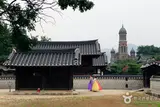
This is a representative historic site associated with King Taejo Yi Seong-gye, the founder of the Joseon Dynasty. Designated as Historic Site No. 339, the grounds house the Portrait of King Taejo (Treasure No. 931) and Jogyeongmyo Shrine (Tangible Cultural Heritage No. 16). It was founded in 1410 (the 10th year of King Taejong's reign) to enshrine the portrait of the founder of the Joseon Dynasty. The royal portrait enshrined here was moved to Asan, Myohyangsan Mountain, Jeoksangsan Mountain, and other locations to escape the ravages of the Japanese Invasions of Korea (Imjin and Jeongyu wars) and the Manchu Invasion of Korea (Byeongja Horan), before returning when Gyeonggijeon was rebuilt in 1614. During the Donghak Peasant Revolution, it was evacuated to Wibongsanseong Fortress to avoid damage from the war.MoreLess
- 8
Jeonju Hanok Village [Slow City]
전주한옥마을 [슬로시티]
Jeonju Hanok Village is located in Pungnam-dong and Gyo-dong, Jeonju. It is densely packed with over 800 traditional Korean houses (hanok). Preserving the past within a rapidly changing modern city, Jeonju Hanok Village is famous as a place to experience old Korean traditions. Visitors will find the Hanok Living Experience Center here, where they can experience the ondol (underfloor heating) rooms firsthand in rooms modeled after the scholar's quarters (seonbibang) and the lady's quarters (gyusubang). During the stay, traditional Korean meals served in Napcheong brassware (yugi) add exceptional taste and elegance. It is a place where you can enjoy both experiencing traditional daily life in a hanok village and tasting the world-famous Jeonju bibimbap.MoreLess
- 9
Dongnakwon House
동락원
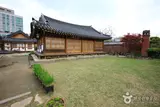
Dongnakwon is not only a prime spot in the hanok village where visitors can experience traditional hanok life, but also a traditional cultural living center affiliated with Jeonju Kijeon College and a memorial hall for Missionary W. M. Junkin, who arrived in Jeonju with the American Southern Presbyterian Mission and initiated academic missionary work. Recreating the appearance of a Jeonju hanok from the time Missionary Junkin was active, Dongnakwon is a traditional hanok facility featuring an anchae (main house), sarangchae (men's quarters), and haengnangchae (servants' quarters). It serves as a traditional hanok venue where visitors can learn and directly experience traditional Korean life, including traditional lodging, traditional music, traditional crafts, and traditional dance.MoreLess
- 10Jeonju Traditional Liquor Museum
전주 전통술박물관
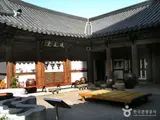
The Jeonju Traditional Liquor Museum aims to revive the tradition of gayangju (home-brewed liquor), which was traditionally brewed to welcome guests and conduct ancestral rites, in a way suited to modern times. Accordingly, the museum invites masters of traditional liquor to host brewing classes and conducts research and outreach on easy ways to brew liquor at home. In addition, it educates visitors on 'hyangeumjurye'—a traditional code of drinking etiquette inherited from ancestors for modern society—aiming to foster a sound and beautiful drinking culture.MoreLess
Source: Korea Tourism Organization (TourAPI) · Machine-translated