A Gunsan Trip Enjoyed at Eunpa Tourist Complex in Gunsan
8 stops · 1 day
Eunpa Lake Park is a scenic park centered around a lake, offering natural leisure such as cycling and lotus habitats. In particular, the night view of Eunpa Mulbitdari Bridge creates a dazzling, colorful landscape rarely seen elsewhere. Above all, visitors should not miss the peaceful tranquility of Eunjeoksa Temple and Okgu Hyanggyo Local Confucian School, steeped in age-old legends.
- Duration
- 1 day
- Distance
- 11.40km
Along the way
- 1
Eunjeoksa Temple (Gunsan)
은적사(군산)
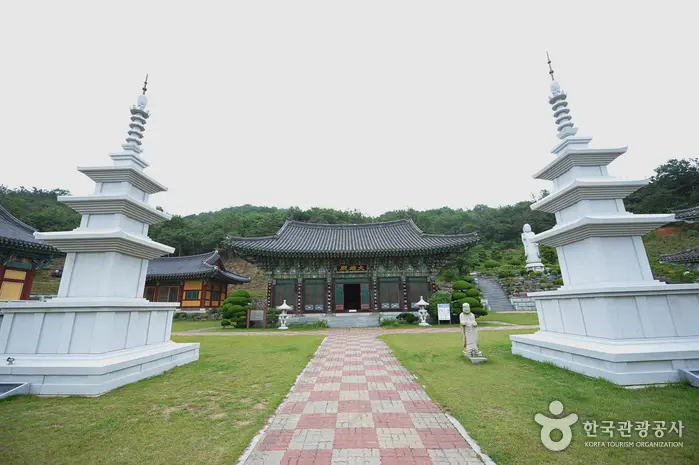
Eunjeoksa Temple is situated on the western foot of Seollimsan Mountain in Soryong-dong, Gunsan-si. Founded in 927 (the 3rd year of King Gyeongae, the 55th monarch of Silla, and the 10th year of King Taejo of Goryeo), it is a historic temple that is also well known as a prayer site for Buddhists from the Daegu area.MoreLess
- 2
Lunch (Mosanbang)
점심식사(모산방)
Blessed with its regional geography, Gunsan is renowned for its abundance of fresh seafood and wild greens. While delicious taste and pleasant ambiance are essential, Mosanbang prioritizes offering meals of high nutritional value.MoreLess
- 3
Eunpa Lake Park (Eunpa National Tourist Site)
은파호수공원(은파국민관광지)
Eunpa Tourist Site is a national tourist destination spanning an expansive area of about 700,000 pyeong, centered around lush forests on low hills adjacent to downtown Gunsan and the historic Mije Reservoir, which is marked on Kim Jeong-ho's Daedongyeojido map. The wide and tranquil lake is even used as a rowing course during the Korean National Sports Festival. It also features boating facilities, and its 23,000-pyeong Meeting Plaza—where a memorial tower honoring independence patriots from Gunsan and Okgu stands—is planted with about 100 zelkova trees. The surrounding area is dotted with many raw fish restaurants serving fresh catches from Gunsan's coastal waters.MoreLess
- 4
Lunch (Mosanbang)
점심식사(모산방)
Blessed with its regional geography, Gunsan is renowned for its abundance of fresh seafood and wild greens. While delicious taste and pleasant ambiance are essential, Mosanbang prioritizes offering meals of high nutritional value.MoreLess
- 5
Eunpa Mulbitdari Bridge
은파 물빛다리
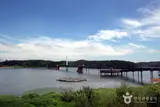
Based on the [Legend of Jungbau] passed down at Eunpa Reservoir, Mulbitdari Bridge recreates a meaningful landscape embodying Aegibau (Baby Rock), Jungbau (Monk Rock), and Gaebau (Dog Rock), blending natural, historical, and cultural elements. Strolling across the bridge over Eunpa offers a relaxing view of nature reflected on the lake, while at night, artistic lighting displays illuminate the surroundings, creating a soothing and gentle resting place of water and light.MoreLess
- 6
Eunpa Lake Park (Eunpa National Tourist Site)
은파호수공원(은파국민관광지)
Eunpa Tourist Site is a national tourist destination spanning an expansive area of about 700,000 pyeong, centered around lush forests on low hills adjacent to downtown Gunsan and the historic Mije Reservoir, which is marked on Kim Jeong-ho's Daedongyeojido map. The wide and tranquil lake is even used as a rowing course during the Korean National Sports Festival. It also features boating facilities, and its 23,000-pyeong Meeting Plaza—where a memorial tower honoring independence patriots from Gunsan and Okgu stands—is planted with about 100 zelkova trees. The surrounding area is dotted with many raw fish restaurants serving fresh catches from Gunsan's coastal waters.MoreLess
- 7
Eunjeoksa Temple (Gunsan)
은적사(군산)
Eunjeoksa Temple is situated on the western foot of Seollimsan Mountain in Soryong-dong, Gunsan-si. Founded in 927 (the 3rd year of King Gyeongae, the 55th monarch of Silla, and the 10th year of King Taejo of Goryeo), it is a historic temple that is also well known as a prayer site for Buddhists from the Daegu area.MoreLess
- 8
Okgu Hyanggyo Local Confucian School
옥구향교
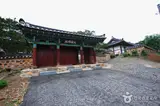
Founded in 1403 (the 3rd year of King Taejong), this school was established to enshrine and honor the spirit tablets of ancient sages and to educate and edify local residents. It was relocated from Gyo-dong to Gwangwollu (光月樓; present-day Sangpyeong-ri) in 1484 (the 15th year of King Seongjong), burned down during the Imjin War, and was moved and restored to its current location in 1646 (the 24th year of King Injo). Notably, this hyanggyo features Dangunmyo Shrine (檀君廟) dedicated to Dangun, Munchang Seowon (文昌書院) enshrining the portrait of Choe Chi-won (崔致遠), and a memorial pavilion with a stele honoring King Sejong the Great.MoreLess
Source: Korea Tourism Organization (TourAPI) · Machine-translated