See, Feel, and Enjoy: Art, Museums, and Experiential Travel in Yeoju
4 stops · 1 day
Yeoju has a cluster of approximately 600 kiln sites across areas including Ohak-dong, Ogeum-dong, Hyeonam-dong, Cheonsong-dong, and Jinae-ri in Buknae-myeon. With rich deposits of high-quality ceramic raw materials such as clay, kaolin, and white clay centered around Mt. Ssarisan in Buknae-myeon, pottery production in Yeoju began in the late Goryeo Dynasty and flourished from the early Joseon Dynasty. Embark on an experiential journey to see, feel, and enjoy various hands-on activities and exhibitions in Yeoju, a region famous for its ceramics!
- Duration
- 1 day
- Distance
- 28.07km
Along the way
- 1Yeoju Museum
여주박물관
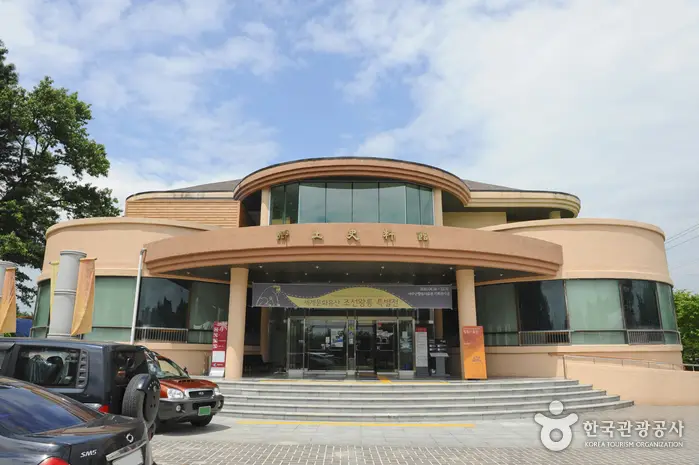
Opened by the City of Yeoju in May 1997, Yeoju Museum was established within the Silleuksa Tourist Complex. The museum aims to acquire valuable cultural assets for exhibition, research, and education, and to contribute to their preservation and transmission. The museum consists of two exhibition halls, an audiovisual room, an office, a storage facility, and an outdoor performance stage. Major exhibits include old books such as Yeoju-mok Eupji (Town Chronicle of Yeoju) and records on the renovation of Yeoju Hyanggyo, as well as ancient documents related to figures from Yeoju including letters, royal edicts, decrees, and telegraphs, alongside earthenware, ceramics, and folk artifacts. It also displays various dioramas and models, such as the Heunam-ri Prehistoric Dwellings diorama, a model of the stone chamber tomb of the Maeryong-ri Tumuli, the Ssangnyong Tug-of-War diorama, a model of Silleuksa Temple, and a model of the Birthplace of Empress Myeongseong. In addition, Yeoju Museum publishes books on the history and cultural heritage of Yeoju, digitizes its collection and local cultural properties, and conducts cultural heritage exploration tours for public officials.MoreLess
- 2
Bandal Art Museum
반달미술관
Bandal Art Museum, the new name for the World Ceramic Livingware Gallery, is a specialized ceramic art museum where the Gyeonggi International Ceramic Biennale was held for the past 10 years. Permanent exhibitions presenting the infinite realm of living ceramics as works of art are held across its four exhibition halls: Crescent Moon, First Quarter Moon, Third Quarter Moon, and Full Moon Hall.MoreLess
- 3Mok-A Museum (MOKA)
목아박물관
Mok-A Museum is a private, specialized Buddhist museum established to preserve and promote traditional Korean woodworking crafts and Buddhist art. It was founded by Park Chan-su, who was designated as Important Intangible Cultural Heritage No. 108 (Wood Sculptor). Construction began in February 1989, and the exhibition hall was completed the following year, initially opening as the Traditional Craft Hall before adding auxiliary buildings such as research offices, Sobanjeongsa, and an outdoor exhibition area. The museum officially opened in 1993 with the enshrinement ceremony (dotting the eyes) of the Great Maitreya Buddha Triad in the outdoor exhibition area.MoreLess
- 4
Yeoju Sunflower Village
여주 해바라기마을
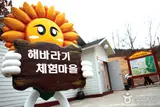
Yeoju Sunflower Village is a pleasant mountain village located on the border between Gyeonggi-do and Gangwon-do. The slopes of Mt. Taebongsan surround the village like a folding screen at the back, and the Seomgang River flows gently to the east, offering beautiful scenery and fertile soil. The village abundantly produces various crops starting from Yeoju Jachae rice, which was once presented as tribute to the king, along with sweet potatoes, mushrooms, cultivated wild ginseng, pears, and corn. Yeoju Sunflower Village offers a variety of rural hands-on experiences, including agricultural crop cultivation and harvesting programs, a chestnut gathering contest, sunflower-themed activities, and a 4 km sunflower flower path. Furthermore, with the Sejong Astronomical Observatory, Gamasum Amusement Ground, Satgatbong Hot Springs, and Castle Pine Golf Club situated at both ends of the village, it is a rare countryside village where visitors can enjoy both rural charm and modern leisure at the same time.MoreLess
Source: Korea Tourism Organization (TourAPI) · Machine-translated