Exploring Historical Sites in the Honam Region
5 stops · 5 hours
Visiting historical sites means discovering the history buried in the land, sky, and forests of the region. Therefore, this course can be considered a walking trail full of stories. In particular, Gwangjuho Lake Eco Park serves as a natural ecology learning site and a relaxation space for citizens. Let's enjoy nature and history at the same time.
- Duration
- 5 hours
- Distance
- 10.05km
Along the way
- 1Gwangjuho Lake Eco Park
광주호 호수생태원
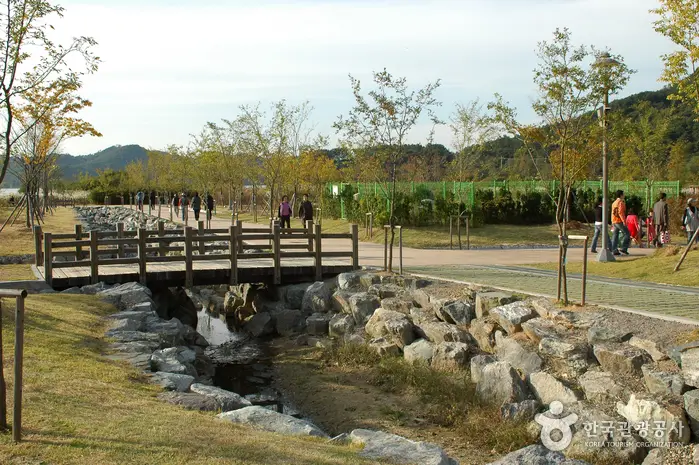
This ecological park covers an area of 185,124 m² near the shores of Gwangjuho Lake, featuring themed zones such as a nature observation center, nature learning center, grass lawn square, and waterfront wetlands. Located about 30 minutes away from downtown Gwangju, it is easily accessible for citizens and has served as a natural ecology learning ground for children and a relaxation space for locals since opening in March 2006. MoreLess
- 2
Siga Cultural Heritage Sites
시가문화유적지
Damyang is dotted with gasa literature heritage sites, including Myeonangjeong, Songgangjeong, Sikyeongjeong, and Soswaewon, which are the birthplaces of gasa literature. have long been a factor in attracting numerous talented figures due to Damyang's abundance and outstanding scenery. Representative figures include Toegye Yi Hwang and Songgang Jeong Cheol. Myeonangjeong is also the pen name of Song Sun, who composed numerous gasa works including "Myeonangjeongga" at this pavilion, leading the tradition of gasa literature in this region. is designated as Local Monument No. 6. MoreLess
- 3
Lunch (Damsojeong)
점심식사(담소정)
Damsojeong is a place with scenic beauty as if painted by nature, specializing in maeuntang (spicy fish stew) and native chicken dishes.
- 4
Chunghyo-dong Jeongryebigak
충효동 정려비각
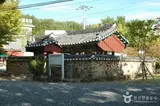
This pavilion was erected in front of Chunghyo-ri Village to commemorate the loyalty, filial piety, and fidelity of General Kim Deok-ryeong (Chungjanggong, 1567–1596), his wife Lady Yi of Heungyang, his older brother Deok-hong, and his younger brother Deok-jin. What makes this different from other gates is that, according to the inscription on the plaque in front of this pavilion, "...in 1788, King Jeongjo issued a royal decree ordering the erection of a commemorative stele," and bestowed the village name 'Chunghyojiri' [Village of Loyalty and Filial Piety]. MoreLess
- 5
Chunghyo-dong King Willow
충효동 왕버들
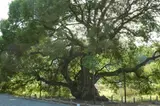
Located along the roadside between the eastern shore of Gwangjuho Lake and Chunghyo-dong Village, the king willow is a deciduous tree belonging to the willow family. Male and female flowers grow on separate trees, blooming in April and bearing fruit in May. It is distributed south of Gyeonggi-do and in parts of central-southern Korea, as well as in central China, and is widely loved as scenic forest trees and pavilion shade trees. MoreLess
Source: Korea Tourism Organization (TourAPI) · Machine-translated