Green Energy Experience and Tour of Historic Sites in Gwangju
5 stops · 6 hours
At the Green Energy Exhibition Hall, visitors can learn in detail about ongoing environmental issues such as energy efficiency and environmental preservation, and participate in various energy-related hands-on experiences, making it an excellent living classroom for children. By running and learning in spacious parks and historic sites, this course offers an unforgettable blend of education and travel.
- Duration
- 6 hours
- Distance
- 30.71km
Along the way
- 1Gwangju Green Energy Exhibition Hall
광주 녹색에너지체험관
The Korea Energy Agency is an organization carrying out work to reduce greenhouse gases—the primary culprit of global warming—by promoting the efficient use of energy and the dissemination of new and renewable energy. As part of these efforts, it operates a tour program at the Green Energy Exhibition Hall, teaching children and young people how to become guardians of the Earth. Massive amounts of greenhouse gases generated by reckless energy consumption have disrupted ecosystem balance and even threatened human survival. The Green Energy Exhibition Hall is a place where visitors can reflect on the necessity of energy conservation and easily understand and learn practical ways to save energy in daily life. MoreLess
- 2
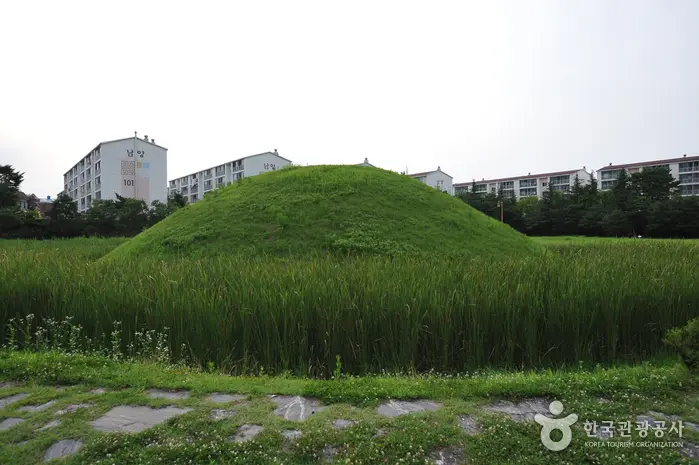
Wolgye-dong Janggobun Ancient Tomb
월계동 장고분
Located in Jangguchon Village in the low hilly area of the upper Yeongsan River, the Wolgye-dong Janggobun Ancient Tomb has yielded artifacts such as a well-developed square mound (方部), a shield-shaped moat (周濠), and trumpet-shaped earthenware. Characterized by its developed square mound, shield-shaped moat, and wide-flaring trumpet-shaped earthenware, this site is important for the study of the evolutionary history of ancient tombs. It also provides valuable materials for shedding light on ancient Korea-Japan relations regarding the origin of Japanese keyhole-shaped tumuli (前方後圓墳). Excavations were conducted twice, in 1993 and 1995, by the Chonnam National University Museum in accordance with the Gwangju High-tech Industrial Complex development plan. MoreLess
- 3
Lunch (Jeongtong Agujjim)
점심식사(정통아구찜)
This restaurant specializes in spicy braised monkfish (agujjim), preparing dishes with fresh ingredients delivered directly from the source every morning. MoreLess
- 4Ssangam Park
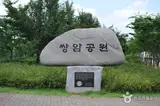
쌍암공원
Ssangam Park is located in front of the Gwangju Institute of Science and Technology (GIST) within the Cheomdan District of Gwangsan-gu. The lake situated in the center enhances its picturesque atmosphere, earning it the nickname "Lake Park." Along the lakeside are well-tended royal azalea groves and pine forests, while floating aerators spraying water toward the sky add a refreshing and cool ambiance. Once or twice a month, events such as small urban arts festivals are held to further elevate the atmosphere. MoreLess
- 5
Hwanbyeokdang Pavilion
환벽당
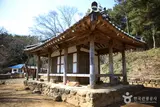
This pavilion is located on a hill toward Chunghyo-dong along the Changgyecheon Stream, upstream of Gwangjuho Lake in Buk-gu, Gwangju. It was founded by Kim Yun-je (1501–1572), who retired to his hometown after serving as the Magistrate of Naju (Naju Moksa), dedicating himself to fostering younger talents. The name of the pavilion was given by Sin Jam (pen name Yeongcheonja), and it is recorded in Go Gyeong-myeong's Yuseoseongnok (遺書石錄) that it was also called Byeokgandang. MoreLess
Source: Korea Tourism Organization (TourAPI) · Machine-translated