Art Street and Bustling Geumnam-ro Street in Jeonnam-Gwangju Integrated Special Metropolitan City
5 stops · 6 hours
This is a great course for exploring the bustling Jeonnam-Gwangju Integrated Special Metropolitan City. Strolling through the beautiful scenery of the Lake Eco Park, roaming the Art Street where the essence of Namdo art breathes, and walking along Geumnam-ro Street, the most bustling street for youth, will offer delightful sights. In winter, shopping in the long underground shopping arcade is also a good option. Jeonnam-Gwangju Integrated Special Metropolitan City has many well-preserved Hanok houses, and the House of Choi Seung-hyo is one of them.
- Duration
- 6 hours
- Distance
- 22.65km
Along the way
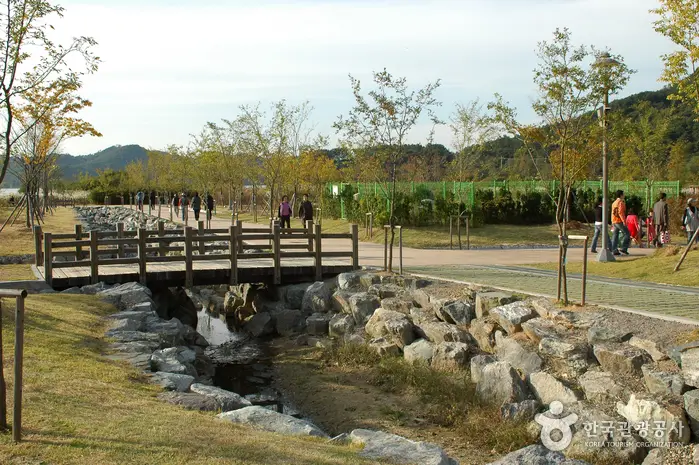
- 1Gwangjuho Lake Eco Park
광주호 호수생태원
This ecological park was established on a 185,124 m² site near the lakeside of Gwangjuho Lake, featuring themed areas such as a nature observation center, a nature study area, a lawn plaza for relaxation, and waterfront wetlands. Located about 30 minutes from downtown Gwangju, it is easily accessible to citizens. Since opening in March 2006, it has been used as a natural ecology learning site for children and a resting space for citizens. MoreLess
- 2
Gwangju Art Street
광주 예술의 거리
Art Street was created to inherit and develop the traditions of Gwangju, the City of Arts and the center of Honam culture and art. Representative local works of art, such as calligraphy, paintings, ceramics, and craftworks, are gathered, exhibited, and sold here for the convenience of art enthusiasts. It is an attraction where anyone can easily encounter the essence of Namdo art, focusing on Korean traditional painting, calligraphy, and Namdo chang (traditional vocal music). MoreLess
- 3
Lunch (Jeil Banjeom)
점심식사(제일반점)
Jeil Banjeom is a Chinese restaurant located on Chungjang-ro Street. Established in Gwangju in the 1960s, it has been operating for over 50 years. It offers a variety of Chinese dishes, including traditional-style jajangmyeon cooked with stir-fried black bean paste, vegetables, potatoes, and special cuts of pork, as well as tangsuyuk (sweet and sour pork) made from pork loin. MoreLess
- 4Geumnam-ro Street
금남로
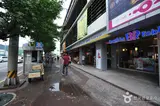
Geumnam-ro began as a government office district and now serves as the central hub of Gwangju, lined with numerous buildings such as banks, insurance companies, and public offices. During the May 18 memorial events, citizens gather on Geumnam-ro Street to comfort the spirits of Gwangju and create a grand festival of unity to sublimate the pain of that day into national strength. In addition, with the formation of the underground shopping arcade, the meeting plaza located beneath the fountain hosts many independent performances and has established itself as a resting space for citizens. MoreLess
- 5
House of Choi Seung-hyo
최승효가옥
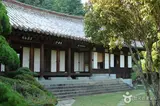
Looking at the structure of the building, it is an I-shaped house with a paljak (hipped-and-gabled) roof, yet it naturally utilizes the sloping ground on the right to create a semi-basement floor of one toe (recessed bay) space, giving it a sense of rhythm. An open space of one toe is also provided on the left to form an asymmetrical floor plan and elevation to avoid monotony. The west-facing rear is bordered by a 60-meter-wide wooden veranda with sliding windows to block the western light, and ribbon windows are installed at the upper part of the wall to solve the issue of the room becoming dark due to the sliding windows. MoreLess
Source: Korea Tourism Organization (TourAPI) · Machine-translated