Ulju Cultural Heritage Course 2
4 stops · 1 day
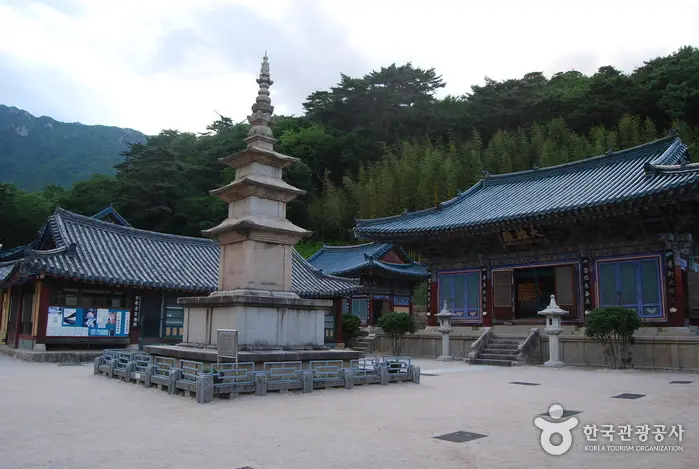
Seongnamsa Temple is an ancient temple from the Silla period and is now a large temple with about 30 buildings. Exploring the entire temple alone would take half a day. In the summer, a visit to the nearby Seongnamsa Valley is highly recommended. The cool, clear waters will naturally make you forget the heat. Blending with the surrounding landscape of Gajisan Mountain, the Twelve Scenic Places of Ulsan City are also among the must-see attractions.
- Duration
- 1 day
- Distance
- 120.43km
Along the way
- 1
Seongnamsa Temple (Ulsan)
석남사(울산)
Legend has it that Seongnamsa Temple (石南寺) was named so because it was located south of the mountain called Gajisan (迦智山) or Seogansan (石眼山). Founded around 1,200 years ago in 824 (the 16th year of King Heondeok of Silla) by Master Doui, it underwent several reconstructions and repairs before being destroyed by fire during the Japanese invasions of Korea (Imjin War). It was later rebuilt in 1674 (the 15th year of King Hyeonjong of Joseon) by Zen Masters Takyeong and Seoncheol, and repaired again in 1803 (the 3rd year of King Sunjo) by Zen Masters Chimheo and Suil. In 1912, it was restored once more by Monk U-un. Since 1957, when the Buddhist nun (bhikkhuni) Inhong was appointed as chief abbess, each temple hall was renovated to reach its present state. The temple consists of about 30 buildings in total and is widely known as a special denominational Seon meditation center along with Bongamsa Temple in Mungyeong among the approximately 80 Seon centers under the Jogye Order of Korean Buddhism. MoreLess
- 2
Seongnamsa Valley
석남사계곡
There are several tributaries of the Taehwagang River that flow into Ulsan Bay on the East Sea, including Daegokcheon, Bangokcheon, Dungicheon, Boeuncheon, Deokhyeoncheon, and Ganwolcheon streams. Among these, the areas around Daegokcheon Stream and Sayeonho Lake—where the Petroglyphs of Cheonjeon-ri and Bangudae Petroglyphs are located—are designated as water source protection areas and are not easy to access. Seongnamsa Valley is a place along the upper reaches of the Taehwagang River where visitors can enjoy both a summer retreat and a tour of cultural heritage sites. MoreLess
- 3Twelve Scenic Places of Ulsan City
울산 12경
Located in Sangbuk-myeon, Ulju-gun, Ulsan Metropolitan City, Gajisan Mountain (1,240m) is the third highest mountain along the Nakdongjeongmaek Ridge, which runs south dividing the Nakdonggang River and the East Sea, and stands as the highest peak among the mountains in Ulsan known as the Yeongnam Alps. Numerous peaks surround Gajisan, creating a magnificent spectacle in harmony with the natural landscape, especially in autumn. In addition, it is where you can witness the earliest sunrise among the mountains in Korea, and Ssalbawi (Rice Rock), steeped in the legend that rice trickled out like drops of honey, continues to attract hikers and draw a steady stream of tourists. MoreLess
- 4Sirye Hobakso Pond
시례 호박소
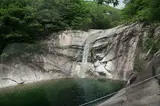
In Sirye Village, Nammyeong-ri, Sannae-myeon, approximately 32 km from downtown Miryang, lies Eoreumgol (Ice Valley) stretching down from Jaeyaksan (Cheonhwangsan) Mountain, and about 3 km from here is Hobakso Valley, a stream originating from Gajisan Mountain. With white foamy water pouring over jade-like granite washed by the valley stream for hundreds of thousands of years and its breathtaking natural surroundings, it was selected as one of Korea's 100 Famous Waters. MoreLess
Source: Korea Tourism Organization (TourAPI) · Machine-translated