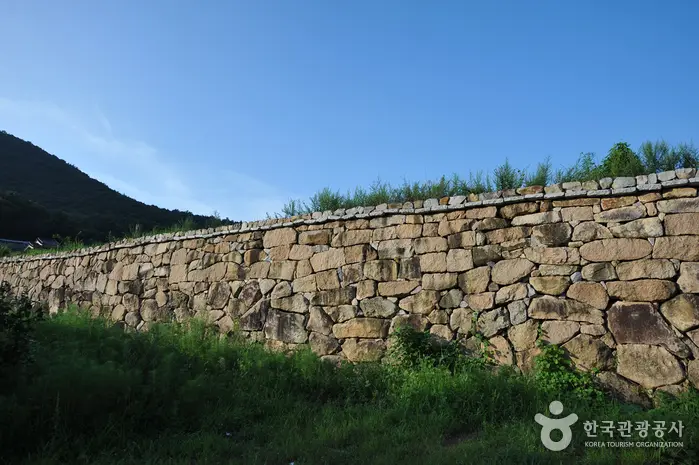
Cultural Heritage Course in Goheung 2
5 stops · 1 day
This is the second cultural heritage tour course in Goheung, Jeollanam-do. From the well-known Chungmusa Shrine to hidden, tranquil, and antique cultural heritage sites unique to Goheung, this course offers an enriching journey. Take a quiet tour around the ancient temples and cultural heritage sites of Goheung.
- Duration
- 1 day
- Distance
- 60.60km
Along the way
- 1
Chungmusa Shrine
충무사
Chungmusa is a shrine commemorating Admiral Yi Sun-sin (1545–1611, Deoksu clan, courtesy name Yeohae). In July of the 13th year of King Seonjo's reign (1580), Admiral Yi was appointed as Balpo Manho (naval commander) at the age of 36. This shrine was established to commemorate his 18-month tenure until January of the 15th year of King Seonjo's reign (1582), when he was falsely accused and dismissed. Chungmusa was built over a five-year period from 1976 to 1980 as a county-wide project following the formation of the Goheung Preservation Committee for Chungmugong Relics in 1976. It is located on the slope adjacent to the outside of the north wall of the fortress, on the southern foot of Dojesan Mountain within Balpo Manhojinseong Fortress. MoreLess
- 2
Balpomanhoseong Fortress, Goheung
고흥 발포만호성
Balpojinseong Fortress is currently centered around Seongchon Village in Balpo-ri, Dohwa-myeon, Goheung-gun. This early Joseon fortress was one of the naval garrisons governed by a naval commander (Manho) among the five magistracies and five ports under Jeolla Jwasuyeong (5 Magistracies: Suncheon, Nagan, Boseong, Gwangyang, Goheung / 5 Ports: Sado, Yeodo, Nokdo, Balpo, Bangdap). It was constructed in the 21st year of King Seongjong's reign (1490) and abolished in the 31st year of King Gojong's reign (1894). In addition, this fortress holds a connection to Admiral Yi Sun-sin, who was appointed as Balpo Manho here at the age of 36 in the 13th year of King Seonjo's reign (1580) and served for 18 months. MoreLess
- 3
Geumtapsa Temple
금탑사
This temple is located halfway up Cheondeungsan Mountain (554m) in Podu-myeon, 16 km away from Goheung-eup. Although it is said to have been founded by Great Monk Wonhyo, there is no definitive evidence. The name "Geumtap" (Golden Pagoda) of Geumtapsa is said to refer to the construction of a treasure pagoda by King Ashoka of India. Later, after being burnt down during the Jeongyu Jaeran (Japanese invasion of 1597), it was rebuilt in 1603 by Great Monks Gunghyeon and Oksun, but burned down again in the 18th year of King Sukjong's reign (1692), leaving only Geungnakjeon Hall intact. Existing structures include Geungnakjeon Hall (Local Tangible Cultural Heritage No. 102), Myeongbujeon Hall, Samseonggak Shrine, Beomjonggak Bell Pavilion, and monks' living quarters (Yosachae), along with a hanging Buddhist painting (Gwaebultaeng) designated as Treasure No. 1344. The lush nutmeg forest (Bijarim) surrounding the temple is Natural Monument No. 239. MoreLess
- 4
Neunggasa Temple
능가사
Located in Jeomam-myeon, Goheung-gun, Jeollanam-do, Neunggasa Temple sits against the backdrop of the majestic Palyeongsan Mountain. Daeungjeon Hall has outstanding cultural value as National Treasure No. 1307, and the Four Heavenly Kings statues, functioning as the main gate, are designated as Jeollanam-do Tangible Cultural Heritage No. 224 and possess artistic value as the largest in the nation. The temple's Brahma Bell (Jeollanam-do Tangible Cultural Heritage No. 69) is also unique with its relief carvings of heavenly flying figures (Bicheonsang) and Bagua (Eight Trigrams) patterns. The historic stele (Jeollanam-do Tangible Cultural Heritage No. 70), which records the history of Neunggasa Temple, is also grand in scale. MoreLess
- 5
Sudoam Hermitage (Goheung)
수도암(고흥)
This temple is located midway up Unamsan Mountain in Ungok, Undae-ri, Duwon-myeon. It was built in the 19th year of King Gongmin of Goryeo (1370) by Monk Injong, who collected donations, and Master Carpenter Eungmun, and has undergone several repairs and Dancheong painting since then. It is said that after hearing the sound of the wind blowing at the top of Unamsan Mountain, it takes an hour for the wind to wind its way through the mountain valleys before reaching this sanctuary. Besides the wind, the clear water springing from the summit passes through elvan stone and is naturally purified by various medicinal herbs as it flows down to Sudoam Hermitage. It is renowned for having some of the finest taste in Korea and serves as water of life with miraculous medicinal efficacy for maintaining health. On the mountain foot to the left lies the curious Jagungbawi (Womb Rock). MoreLess
Source: Korea Tourism Organization (TourAPI) · Machine-translated