Hot Spring and Seawater Bathing Course in Gochang, Jeonbuk
9 stops · 1 day
Gochang in Jeollabuk-do was historically renowned for its ceramics and is now famous for watermelons. This tour includes the UNESCO-designated dolmen sites, the Seokcheon Hot Spring in Gochang-eup—discovered as the world's second germanium hot spring after the Lourdes Hot Springs in France—and Gusipo Beach with its long white sand beach and high salinity seawater, where visitors can experience sand baths and seawater steaming beneficial for skin ailments. At low tide, visitors can also enjoy digging for clams along the exposed shore.
- Duration
- 1 day
- Distance
- 48.74km
Along the way
- 1
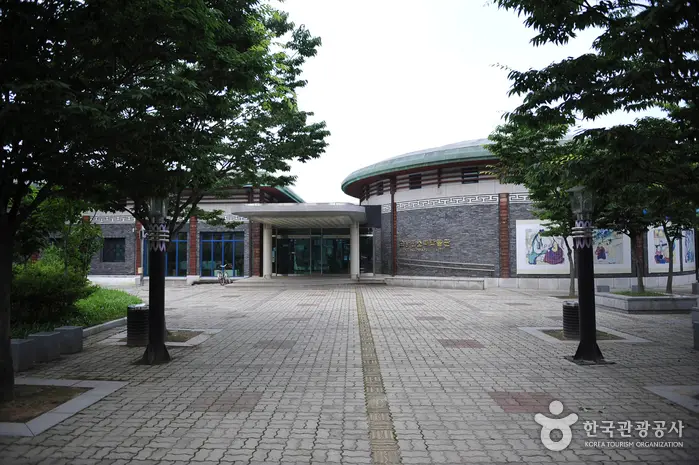
Gochang Pansori Museum
고창판소리박물관
Gochang Pansori Museum was established on the historic site of the old house of Dongni Shin Jae-hyo—a pivotal theorist, arranger, and patron of pansori—to commemorate master pansori singers including Shin Jae-hyo, Jin Chae-seon, and Kim So-hui, and to inherit and develop the pansori tradition. Currently, only the sarangchae (men's quarters) of the historic house has been restored, and Dongni Gugakdang Hall stands right next to it. The museum collects, preserves, researches, exhibits, and interprets tangible and intangible materials of pansori, offering the general public opportunities for advanced education and appreciation of pansori art, ultimately aiming to establish the area as a pansori sanctuary.MoreLess
- 2
Gochang Dolmen Museum
고창고인돌박물관
Gochang Dolmen Museum allows visitors to explore various Bronze Age artifacts, lifestyle scenes, and global dolmen cultures at a glance. The permanent exhibition hall consists of an overview information area and a symbolic exhibition space. By summarizing key themes of the exhibition, the symbolic displays pique interest and curiosity, encouraging active engagement and setting a welcoming atmosphere. An information desk and a search system are located next to the symbolic displays to provide visitors with photographic information. MoreLess
- 3
Gusipo Beach
구시포해수욕장
The largest beach in Gochang-gun, Gusipo Beach features a long, wide expanse of white sand fringed by a dense pine forest. The gentle slope of the beach makes it an ideal summer resort for families. To the south of the sandy beach lies a natural cave where dozens of residents and hundreds of wild pigeons took refuge for half a year during the Jeongyu Jaeran (Japanese Invasion of 1597), and unique rock formations are scattered along the coast. Islands such as Gamakdo float picturesquely in the offshore waters, and visitors can enjoy the sunset that dyes the Chilsan Sea of the West Sea in crimson at dusk. It is also a popular spot for auto-camping enthusiasts and is well-equipped with various convenience facilities. MoreLess
- 4
Historic House of Shin Jae-hyo in Gochang
고창신재효고택
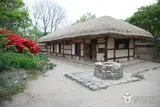
This is the historic home of Dongni Shin Jae-hyo (1812–1884), who compiled pansori and left a profound mark on Korean literary history. Located directly behind the Gochang Pansori Museum, its backyard borders the Dongni Gugakdang Hall (named after Shin Jae-hyo's pen name, Dongni) and Moyangseong Fortress (a natural stone fortress built in 1453 to defend against Japanese invasions, also known as Gochangeupseong Fortress). Designated as Important Folklore Material No. 39, the house was built around 1850. Currently, a sarangchae (men's quarters) measuring five bays across the front and two bays on the side remains, along with a paulownia tree and a well.MoreLess
- 5
Gochang Pansori Museum
고창판소리박물관
Gochang Pansori Museum was established on the historic site of the old house of Dongni Shin Jae-hyo—a pivotal theorist, arranger, and patron of pansori—to commemorate master pansori singers including Shin Jae-hyo, Jin Chae-seon, and Kim So-hui, and to inherit and develop the pansori tradition. Currently, only the sarangchae (men's quarters) of the historic house has been restored, and Dongni Gugakdang Hall stands right next to it. The museum collects, preserves, researches, exhibits, and interprets tangible and intangible materials of pansori, offering the general public opportunities for advanced education and appreciation of pansori art, ultimately aiming to establish the area as a pansori sanctuary. MoreLess
- 6
Gochang Dolmen Museum
고창고인돌박물관
Gochang Dolmen Museum allows visitors to explore various Bronze Age artifacts, lifestyle scenes, and global dolmen cultures at a glance. The permanent exhibition hall consists of an overview information area and a symbolic exhibition space. By summarizing key themes of the exhibition, the symbolic displays pique interest and curiosity, encouraging active engagement and setting a welcoming atmosphere. An information desk and a search system are located next to the symbolic displays to provide visitors with photographic information.MoreLess
- 7
Seonunsa Temple
선운사
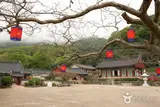
Reputed to have been founded by Master Geomdan in the 24th year of King Wideok of Baekje (577), Seonunsa Temple is one of the two main head temples of the Jogye Order in Jeollabuk-do, along with Geumsansa Temple. According to historical temple records preserved at Seonunsa, it was once a grand monastery housing over 3,000 monks across 89 hermitages at the time of its founding. Currently, only the main temple and the hermitages of Dosolam, Chamdangam, Dongunam, and Seoksangam remain. MoreLess
- 8
Gusipo Beach
구시포해수욕장
The largest beach in Gochang-gun, Gusipo Beach features a long, wide expanse of white sand fringed by a dense pine forest. The gentle slope of the beach makes it an ideal summer resort for families. To the south of the sandy beach lies a natural cave where dozens of residents and hundreds of wild pigeons took refuge for half a year during the Jeongyu Jaeran (Japanese Invasion of 1597), and unique rock formations are scattered along the coast. Islands such as Gamakdo float picturesquely in the offshore waters, and visitors can enjoy the sunset that dyes the Chilsan Sea of the West Sea in crimson at dusk. It is also a popular spot for auto-camping enthusiasts and is well-equipped with various convenience facilities.MoreLess
- 9
Historic House of Shin Jae-hyo in Gochang
고창신재효고택
This is the historic home of Dongni Shin Jae-hyo (1812–1884), who compiled pansori and left a profound mark on Korean literary history. Located directly behind the Gochang Pansori Museum, its backyard borders the Dongni Gugakdang Hall (named after Shin Jae-hyo's pen name, Dongni) and Moyangseong Fortress (a natural stone fortress built in 1453 to defend against Japanese invasions, also known as Gochangeupseong Fortress). Designated as Important Folklore Material No. 39, the house was built around 1850. Currently, a sarangchae (men's quarters) measuring five bays across the front and two bays on the side remains, along with a paulownia tree and a well. MoreLess
Source: Korea Tourism Organization (TourAPI) · Machine-translated