1-Day Field Trip Course in Yangju, Gyeonggi-do
6 stops · 1 day
This hands-on educational travel course is set in Yangju, a city attracting many urban dwellers. Conveniently located near major city centers, Yangju has developed a wealth of sights and activities alongside its growing population. This delightful course introduces cultural heritage sites and facilities ideal for visiting with children.
- Duration
- 1 day
- Distance
- 76.33km
Along the way
- 1
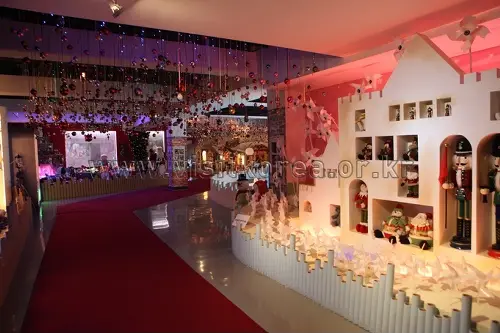
Feelux Lighting Museum
필룩스 조명박물관
The Lighting Museum has opened to showcase the history of human lighting at a glance. It presents a wide spectrum of lighting culture, ranging from traditional lighting tools such as earthenware oil lamps, wooden lamp stands, brass candlesticks, and kerosene lamps, to modern and contemporary lighting including Edison's incandescent bulbs, various incandescent lamps, and fluorescent lights, as well as future emotional lighting. MoreLess

- 2
Hoeamsaji Temple Site, Yangju
양주 회암사지
Hoeamsa Temple was founded in 1328 (the 15th year of King Chungsuk of Goryeo) by the Indian Buddhist monk Jigong, rebuilt in 1376 (the 2nd year of King U) by Jigong's disciple Naong, and underwent a third construction in 1472 (the 3rd year of King Seongjong of Joseon) by order of Queen Jeonghui, wife of King Sejo. It was a flourishing national temple from late Goryeo through early Joseon. In particular, due to the special affection of King Taejo Yi Seong-gye, Monk Muhak, a disciple of Naong, was invited to stay at Hoeamsa, and high officials were sent to observe Buddhist rites whenever they were held. The temple is also famous as the place where Yi Seong-gye engaged in ascetic practice after abdicating the throne. MoreLess
- 3
Lunch (Cheongam Pizza Castle Hyoinbang)
점심식사(청암 피자성효인방)
Unlike ordinary restaurants, this is a family restaurant designed like a recreational park with a 20-year tradition. Around 10,000 folk lifestyle items are on display, and themed halls feature dolls recreating various scenes, adding to the fun. MoreLess
- 4
Cheongam Folk Museum
청암민속박물관
Cheongam Folk Museum consists of a wild plant garden, a museum, and experiential activity halls. Visitors can explore approximately 12,000 folk lifestyle artifacts and hundreds of species of wild flower beds, and enjoy various traditional folk games such as swinging, see-sawing (neolttwigi), yutnori, and tuho (pitch-pot). Pizza Castle Hyoinbang is also on-site, offering pizza-making experiences. MoreLess
- 5
Yangjuhyanggyo Local Confucian School
양주향교
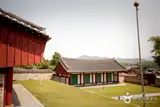
Founded in 1401 (the 1st year of King Taejong), this school was established to enshrine and perform ancestral rites for prominent Confucian scholars and to educate and edify local residents. Destroyed during the Korean War, it was rebuilt in 1959. Existing structures include Daeseongjeon (Shrine Hall), Myeongnyundang (Lecture Hall), Dongmu (East Wing), Seomu (West Wing), Naesammun (Inner Three-Gate), and Oesammun (Outer Three-Gate). Daeseongjeon enshrines the spirit tablets of the Five Sages, Two Sages of the Song Dynasty, and 18 Sages of Korea. During the Joseon Dynasty, the school received land, books, and slaves from the state, with an instructor teaching a quota of 50 students. Following the Gabo Reform and the introduction of a modern educational system, its teaching role ceased, and it now conducts Seokjeonje ancestral rites in spring and autumn, as well as incense offerings on the first and fifteenth days of each lunar month. MoreLess
- 6Olleung Royal Tomb, Yangju
양주 온릉
This is the tomb of Queen Dangyeong of the Shin clan, the primary consort of King Jungjong of the Joseon Dynasty. The queen was the daughter of Shin Su-geun, who served as Left State Councillor during the reign of Yeonsangun and was also Yeonsangun's brother-in-law. In 1499 (the 5th year of Yeonsangun), at the age of 13, she married Jungjong (then Grand Prince Jinseong) and became queen when he ascended the throne following the Jungjong Coup. However, during the coup, the coup leaders murdered Shin Su-geun and coerced the king into deposing her. The queen passed away at her private residence in 1557 (the 12th year of King Myeongjong) at the age of 71 and was buried in the Shin family cemetery. In 1739 (the 15th year of King Yeongjo), she was reinstated, receiving the posthumous title Queen Dangyeong and her tomb the name Olleung. MoreLess

Source: Korea Tourism Organization (TourAPI) · Machine-translated