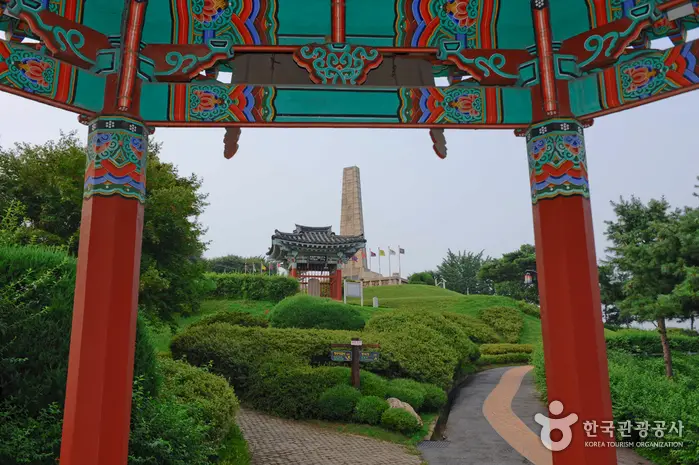
Strolling Through Goyang's Quiet Royal Tombs and Haengjusanseong Fortress Historic Site
5 stops · 5 hours
Located slightly northwest of the center of Gyeonggi-do, this course tours an area bordered by Yangju-si to the northeast, Paju-si to the north, Seoul to the southeast, and facing Gimpo-si across the Hangang River to the southwest. Stroll through the tranquil atmosphere of Haengjusanseong Fortress, the Haengju Seowon Confucian Academy Site, Seooreung Royal Tombs, and Seosamneung Royal Tombs.
- Duration
- 5 hours
- Distance
- 22.48km
Along the way
- 1Haengjusanseong Fortress
행주산성
Built atop Deokyangsan Mountain, Haengjusanseong Fortress (Historic Site No. 56) is where the Battle of Haengju took place—one of the three major victories of the Imjin War, where 2,300 defenders, including volunteer civilian forces and Buddhist monk-soldiers, decisively defeated around 30,000 Japanese troops. In this battle, the tactic of throwing ash pockets was used for the first time in Korean military history. Women also cut their long skirts to make short overskirts and helped the battle by gathering and carrying stones in their aprons, which is said to be the origin of the Korean word for apron, "haengju chima." MoreLess
- 2
Haengjuseowon Site
행주서원지
In 1576 (the 9th year of King Seonjo's reign), this seowon was established through the consensus of local Confucian scholars to commemorate the scholarly virtue and loyalty of Jeong Mong-ju and to house his memorial tablet. In 1609 (the 1st year of King Gwanghaegun's reign), it received a royal charter plaque named "Chungnyeol," and Jeong Bo and Yi Si-jik were later additionally enshrined. While playing a key role in honoring ancient sages and providing local education, it was abolished in 1871 (the 8th year of King Gojong's reign) following Heungseon Daewongun's decree to close seowons. The Confucian literati rebuilt the shrine in 1911, restored the lecture hall in 1956, and supplemented and newly constructed the entire grounds in 1972 to reach its current state. The grounds contain a 6-kan shrine, the Naesinmun (inner gate), the Oesinmun (outer gate), east and west side gates, and an 8-kan lecture hall with a central wooden floor and side rooms on both ends. MoreLess
- 3
Lunch (Chowon Garden)
점심식사(초원가든)
Chowon Garden is a grilled eel specialty restaurant with a 30-year tradition. Located away from the city center (a 20-minute drive from Yeouido), diners can enjoy grilled eel and Hanwoo beef dishes alongside the best views of the Hangang River. It serves flavorful side dishes made directly by a grandmother from Gunsan, Jeollado, grilled eel cooked with traditional secret recipes, and pure domestic 1st-grade Hanwoo (Korean beef) dishes. MoreLess
- 4Seooreung, Goyang
고양 서오릉
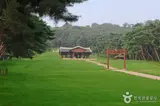
Seooreung refers to five royal tombs of the Joseon Dynasty: Gyeongneung, Changneung, Ingneung, Myeongneung, and Hongneung. In addition to the five tombs, the grounds also house Sunchangwon, the tomb of Crown Prince Sunhoe (the first son of King Myeongjong); Sugyeongwon, the tomb of Royal Noble Consort Yeongbin Yi (the birth mother of Crown Prince Sado); and Daebinmyo, the tomb of Royal Noble Consort Jang Hui-bin (a concubine of King Sukjong), which was recently relocated here. Located close enough to feel like downtown Seoul, it is a great course for walking or jogging. MoreLess
- 5
Seosamneung, Goyang
고양 서삼릉
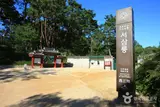
Designated as Historic Site No. 200, Seosamneung translates to "Three Western Tombs," named because the three royal tombs—Huirreung, Hyoreung, and Yereung—are located west of Seoul. Huirreung is the tomb of Queen Janggyeong of the Papyeong Yun clan, the second queen of the 11th Joseon ruler, King Jungjong; Hyoreung is the tomb of the 12th Joseon ruler, King Injong, and his queen, Queen Inseong of the Bannam Bak clan; and Yereung is the tomb of the 25th Joseon ruler, King Cheoljong, and his queen, Queen Cheorin of the Andong Kim clan. In addition, there are three tombs of crown princes: Uiryeongwon (Grand Heir Successor Uiso, the eldest son of Crown Prince Sado), Hyochangwon (Crown Prince Munhyo, the eldest son of King Jeongjo), and Sogyeongwon (Crown Prince Sohyeon, the eldest son of King Injo). There are also 51 tombs of royal concubines, princes, princesses, and born princesses, as well as the Placenta Chambers where the placentas of past kings are enshrined. MoreLess
Source: Korea Tourism Organization (TourAPI) · Machine-translated