Strolling along the Beautiful East Coast Beach at Uljin's Gwandong Palgyeong
5 stops · 1 day
Perched on a hill near Mangyang Beach, Mangyangjeong Pavilion is counted among the Gwandong Palgyeong (Eight Scenic Views of the East) and boasts magnificent scenery. Stroll along the East Coast beaches while relaxing your body and mind, and visit Uljin's representative sulfur hot springs.
- Duration
- 1 day
- Distance
- 65.55km
Along the way
- 1
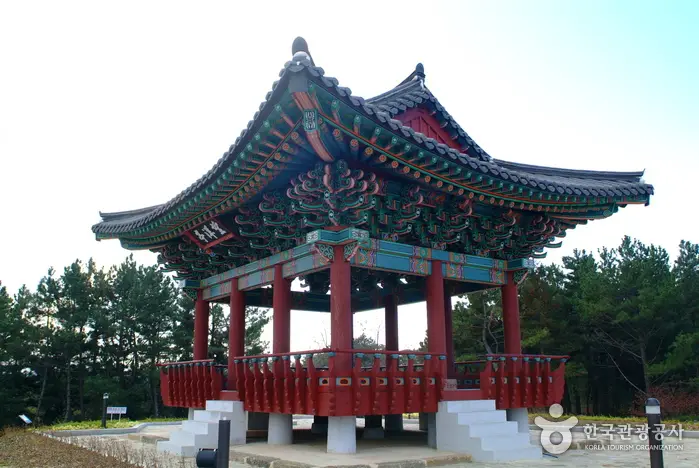
Mangyangjeong Pavilion
망양정
It is located on a hill near Mangyang Beach in Sanpo-ri, Geunnam-myeon, Uljin-gun. The beautiful scenery around this area has been passed down through poems and paintings. King Sukjong of the Joseon Dynasty, upon viewing paintings of the Eight Scenic Views of Gwandong, declared this place the best and personally wrote the calligraphy 'Gwandong Jeillu' (The Best Pavilion in Gwandong) to be hung at the pavilion. MoreLess
- 2
Haewol Head House of the Pyeonghae Hwang Clan in Uljin
울진 평해황씨 해월종택
Haewolheon was built in the 21st year of King Seonjo (1588) and repaired in the 13th year of King Heonjong (1847). It is said to have been the detached villa of Haewol Hwang Yeo-il, originally situated atop a mountain in Sadong-ri, Giseong-myeon, before his descendants relocated it to its current location. Haewolheon is a 4-kan by 3-kan building with a hipped-and-gabled roof; the front one kan on the side features a wooden floor enclosed with a railing, built elevated off the ground. Hwang Yeo-il's courtesy name was Hoewon, his pen name was Haewol, and his family clan was Pyeonghae. The son of Eung-gyeong, he was renowned for his writing from a young age. After passing the samasi (classics examination) in the 9th year of King Seonjo (1576), he passed the special civil service examination (byeolsi munkwa) in 1585 in the second tier (eulgwa), subsequently holding various prestigious government posts. MoreLess
- 3
Wolsongjeong Pavilion
월송정
Wolsongjeong Pavilion, one of the historic Eight Scenic Views of Gwandong, was first built during the Goryeo Dynasty and rebuilt in the mid-Joseon period by Governor Bak Won-jong. When it fell into disrepair and only ruins remained, local resident Hwang Man-yeong and others reconstructed it in 1933. Later, toward the end of the Japanese colonial period, it was demolished by the Japanese naval unit stationed in Wolsong on the grounds that it could serve as a target for enemy air raids. In April 1964, Geumganghoe, an association of Korean residents in Japan, built a new reinforced-concrete pavilion, but as it did not retain the historic appearance, it was demolished in 1979, and the current structure modeled after Goryeo Dynasty architecture was erected in 1980. MoreLess
- 4
Baegam Hot Springs Special Tourist Zone
백암온천 관광특구
Baegam Hot Springs is a representative sulfur hot spring on the East Coast. It is colorless, odorless, and maintains a water temperature of 53°C, making it ideal for hot spring bathing. Containing natural alkaline radium components, the hot spring water is said to be effective for neuralgia, arthritis, and stroke recovery. Recently, it has also become known for its remarkable benefits for atopic dermatitis, attracting many family visitors accompanied by children and seniors. Play facilities for children are also provided. The Baegam Hot Springs Festival is held every year in early August, and street performances on weekends offer additional entertainment. MoreLess
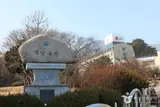
- 5
Uljin Hupo Port
울진 후포항
The mountainous terrain of Uljin, Gyeongsangbuk-do, is majestic and massive, unlike elsewhere in Gyeongsang-do. With deep valleys, remote mountain villages that are hard to find nowadays can still be seen here and there. Whether it is a source of pride or regret that it once belonged to Gangwon-do, it is often compared to having the exquisite beauty of deep and secluded mountain valleys. Driving up along National Route 7 with the breathtaking blue views of the East Sea, you pass Goraebul and Baekseok beaches in Yeongdeok and enter Uljin. MoreLess

Source: Korea Tourism Organization (TourAPI) · Machine-translated