2-Day, 1-Night Course at Haenam Ttangkkeut
4 stops · 2 Days, 1 Night
This course allows you to enjoy both the culture and nature of Haenam Ttangkkeut (Land's End). Gaze upon the scenery portrayed in the poems of Gosan Yun Seondo at his historic site. Ttangkkeut is a place where poetic elegance and deep significance are truly alive. Since you have come to the edge of the land, Ttangkkeut Tourist Village is a must-visit, and the migratory bird habitats and dinosaur fossil site will serve as fun experiential travel destinations for children.
- Duration
- 2 Days, 1 Night
- Distance
- 87.73km
Along the way
- 1Historic Site of Gosan Yun Seondo
고산 윤선도 유적지
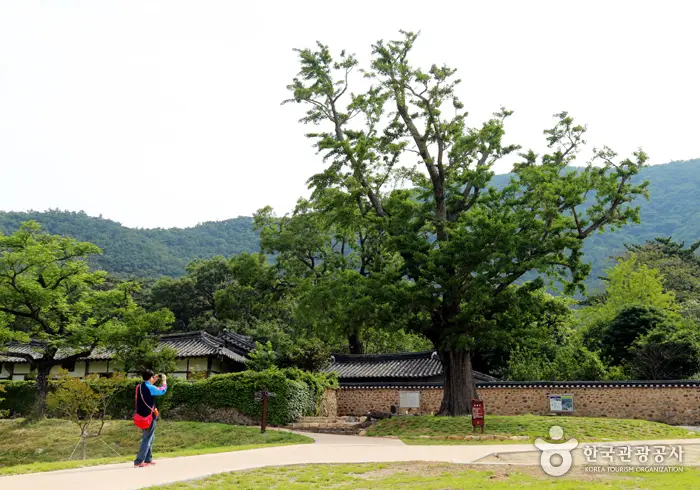
This is the historic site of Gosan Yun Seondo (1587–1671), a civil official of the Joseon Dynasty considered a pioneer of Korean literature, and is home to the sarangchae (men's quarters) known as Nogudang. As the head house of the Eochoun faction of the Haenam Yun Clan, which has preserved a 600-year-old tradition, Nogudang sits with Deokeumsan Mountain at its back and is known as one of the finest propitious sites in Korea. Currently, the historic site contains ginkgo trees and a nutmeg forest that attest to its long history and tradition, alongside Nogudang, the anchae (inner quarters), haengrangchae (servants' quarters), a barn, Ansadang Shrine, Gosansadang Shrine, Eochounsadang Shrine, Chuwondang Hall, and the Gosan Relics Exhibition Hall, making it well known as the family that has preserved the largest number of relics (around 5,000 items) among Joseon noble families. MoreLess
- 2Daeheungsa Temple [UNESCO World Heritage]
대흥사(해남)
Daeheungsa Temple is said to have been founded by Buddhist Master Ado in the 22nd year of King Seong of Baekje. It is a site where Master Seosan's will, robe, and bowl were passed down, considered a sanctuary free from the three disasters, where Buddhist culture flourished. At Pyochungsa Shrine, where state rituals were held, and Iljiam Hermitage, the cradle of Korean tea culture, visitors can encounter the writings and traces of eminent historical figures such as Venerable Master Choui and Chusa Kim Jeong-hui. Within the temple grounds are Daeungbojeon Hall, Chimgyeru Pavilion, Myeongbujeon Hall, Eungjindang Shrine, Cheonbuljeon Hall, the Thousand Buddha Statues, Pyochungsa Shrine, Daegwangmyeongjeon Hall, Iljiam Hermitage, Bukmireukam Hermitage, and the Seongbo Museum. Daeheungsa Temple preserves numerous artifacts, including the Rock-carved Seated Buddha of Bukmireukam Hermitage (National Treasure No. 308) and the Bronze Bell of Tapsansa Temple (Treasure No. 88) in the Master Seosan Exhibition Hall, and visitors can also explore various cultural heritages and legends, including the Stupa of Master Seosan located in Korea's largest stupa field. MoreLess
- 3
Ttangkkeut Tourist Attraction
땅끝관광지
Where the sea and sky meet, 'Ttangkkeut' (Land's End) is the starting and ending point of the Baekdudaegan Mountain Range, where the ridge surged southward before making its final dragon-like twist to a halt, gathering the most energy on the Korean Peninsula. Because of this, Ttangkkeut is where the best vital energy gathers and where the gates of heaven open with that energy, making it a sacred place where many ancestors and artists held solemn rituals to receive its energy. Therefore, a legend has been handed down in Ttangkkeut Village that if you stand here and make a wish toward the sky and the sea, your wish will come true and hope will blossom. Due to this symbolism, Ttangkkeut is visited by many tourists from across the nation as the beginning of hope and the starting point for cross-country pilgrimages. It is also an important strategic point and transit route for maritime culture. MoreLess
- 4
Uhang-ri Dinosaur Fossil & Natural History Site
우항리 공룡화석자연사유적지
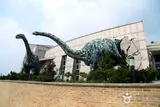
The Uhang-ri Dinosaur Fossil Site is a unique paleontological fossil site officially recognized by scholars worldwide. It is the place where the world's first and most delicate star-shaped footprints of herbivorous dinosaurs and carnivorous dinosaurs, the world's largest pterosaur tracks, and the world's oldest webbed bird footprints were discovered. Designated as Natural Monument No. 394, this site allows visitors to study the Mesozoic dinosaur world and various fields of earth science. It features 447 exhibits, including Asia's first authentic Allosaurus fossil, Korea's first Marine Reptile Room, Giant Dinosaur Room, Appearance of Birds Room, and Earth Science Room, as well as over 50 outdoor dinosaur sculptures. In addition, there are various facilities for children to experience and enjoy, such as a dinosaur theme park and a 4D theater. MoreLess
Source: Korea Tourism Organization (TourAPI) · Machine-translated