Stories of Palaces and Schools within the Hanyangdoseong Seoul City Wall
6 stops · 6 hours
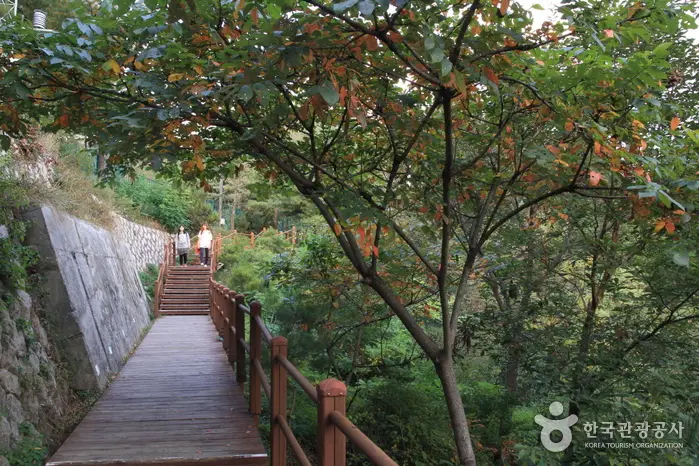
This course starts from the Bugak Palgakjeong Pavilion, passes through Waryong Park and Sungkyunkwan University, and explores historic schools in Bukchon and royal palaces to learn about stories from inside and outside the royal court of the Joseon Dynasty. Widely promoted to international visitors as well, this route also features traditional Hanok guesthouses. It offers a chance to look into Seoul's present while tracing the historical footprints of the Joseon Dynasty. Walk along the Hanyangdoseong Seoul City Wall following these fascinating tales.
- Duration
- 6 hours
- Distance
- 9.22km
Along the way
- 1
Bugak Palgakjeong Pavilion - Malbawi Rest Area
북악팔각정~말바위쉼터
Bugak Skyway, a walking trail opened to the public after 41 years. Having been sealed off as an 'untalkable path,' this area was transformed into a comfortable walking path, and the Bugaksan Mountain area was finally reopened on February 27, 2010, after 41 years. Untouched by human foot traffic for over 40 years, it boasts immense ecological value and outstanding natural scenery, preserving its natural wonders so well that it is known as the 'DMZ in Seoul.' MoreLess
- 2
Waryong Park
와룡공원
Located in Myeongnyun-dong, Jongno-gu, Seoul, this park opened in 1984. Descending from Malbawi Rock on Bugaksan Mountain—a designated Excellent Viewpoint in Seoul—and following the fortress trail leads to Waryong Park. Adjacent to Samcheong Park, Changgyeong Park, and Bugaksan City Nature Park, the surrounding area is called Waryong-dong because the topography resembles a dragon (龍, ryong) lying down. MoreLess
- 3Seoul Choong Ang High School Main Building, East Building, and West Building
서울 중앙고등학교 본관·동관·서관
Following the road next to the Hyundai Group headquarters in Anguk-dong northward leads to the main gate of Choong Ang High School. Choong Ang High School originated from Giho School, founded in 1908 by patriots of the Giho region, which later merged with Yunghui School, established by Heungsadan in September 1910. Furthermore, when regional academic societies founded by patriots—such as Honam, Gyonam, and Gwandong—faced management difficulties, they all merged in November 1910, and the school was renamed Choong Ang School. MoreLess
- 4Changdeokgung Palace and Huwon Secret Garden [UNESCO World Heritage]
창덕궁과 후원 [유네스코 세계문화유산]
Changdeokgung Palace (Historic Site No. 122) was built in 1405 as a secondary palace following Gyeongbokgung Palace. Located to the east of Gyeongbokgung, the main palace, it was also referred to as 'Donggwol' (Eastern Palace). With the construction of Geumcheongyo Bridge (1411) and Donhwamun Gate (1412), and beginning from the reign of King Seongjong, the 9th monarch of Joseon, several kings resided here, making it serve as the main royal palace. During the Imjin War (Japanese invasions of Korea), Changdeokgung was burned down; enraged citizens set fire to the palace when King Seonjo evacuated to Uiju. Reconstructed in 1611 under King Gwanghaegun, the palace harmonizes beautifully with nature and attracts many visitors, drawing attention with numerous cultural heritage structures throughout the grounds, including Injeongjeon Hall, Daejojeon Hall, Seonjeongjeon Hall, and Nakseonjae Hall. MoreLess
- 5Changgyeonggung Palace
창경궁
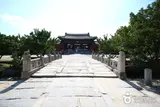
Changgyeonggung Palace originated as Suganggung Palace, built in 1418 by King Sejong the Great to honor his father, the retired King Taejong. Later, during the reign of King Seongjong, Myeongjeongjeon, Munjeongjeon, and Tongmyeongjeon Halls were built to accommodate Queen Jeonghui (wife of King Sejo), Queen Sohye (wife of King Deokjong), and Queen Ansun (wife of King Yejong), and it was officially named Changgyeonggung Palace. The palace carries many sorrowful stories. It was completely burned down during the Imjin War and suffered damages during Yi Gwal's Rebellion and the Byeongja Horan (Manchu invasion). The historic tales of Queen Inhyeon and Lady Jang Hui-bin during the reign of King Sukjong, as well as the tragic death of Crown Prince Sado, who was locked in a rice chest by King Yeongjo, remain embedded in the grounds of Changgyeonggung Palace. MoreLess
- 6
Sungkyunkwan University Museum
성균관대학교 박물관
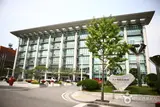
Located on the first basement floor of the 600th Anniversary Hall in Sungkyunkwan University, the Sungkyunkwan University Museum exhibits cultural and art artifacts ranging from prehistoric and ancient times to the modern and contemporary eras, centered on artifacts that illustrate the overall Confucian culture of the Joseon Dynasty. The exhibition space is largely divided into permanent exhibition halls—consisting of the Confucian Culture Gallery, Calligraphy and Painting Gallery, Ceramics Gallery, and Munmyo Ritual Music Instruments Gallery—and special exhibition halls. The permanent exhibition halls provide a space to experience Confucian culture vividly, while the special exhibition halls conduct research, organize, and present valuable materials held exclusively by the Sungkyunkwan University Museum. MoreLess
Source: Korea Tourism Organization (TourAPI) · Machine-translated