Exploring Jahamun to the North of the Palace
6 stops · 6 hours
This course is a bit long for walking. If you are with children in particular, it is recommended to use transportation. Centered around Gyeongbokgung Palace, this course explores the area behind Jahamun Gate. In this mountain valley within Seoul, you can also encounter refreshing valley waters, and do not miss tasting the jajangmyeon at the famous Harimgak near Seogeomjeong Pavilion. Source: Walking the Hanyangdoseong City Wall Along Stories.
- Duration
- 6 hours
- Distance
- 9.94km
Along the way
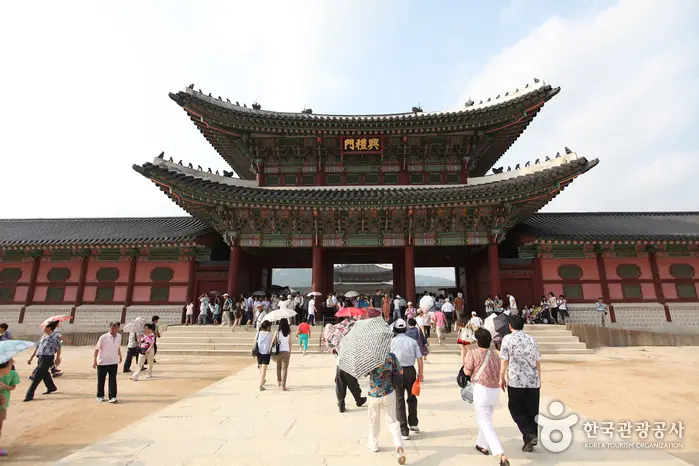
- 1Gyeongbokgung Palace
경복궁
Gyeongbokgung Palace was built in 1395 by King Taejo Yi Seong-gye as the main legal palace of the new Joseon Dynasty. Located further north compared to Donggwol (Eastern Palace: Changdeokgung Palace) and Seogwol (Western Palace: Gyeonghuigung Palace), it was also called 'Bukgwol' (Northern Palace). Gyeongbokgung Palace (Historic Site No. 117) boasts the grandest scale and architectural beauty among the five royal palaces. Kings who held their coronation ceremonies at Geunjeongjeon Hall of Gyeongbokgung Palace include the 2nd King Jeongjong, 4th King Sejong, 6th King Danjong, 7th King Sejo, 9th King Seongjong, 11th King Jungjong, and 13th King Myeongjong. MoreLess
- 2
Zaha Museum
자하미술관
Located in Buam-dong, Jongno-gu, Zaha Museum is the highest-situated art museum in Seoul. Although not far from downtown, it boasts a beautiful view overlooking Bugaksan Mountain and Inwangsan Mountain at a glance. It consists of first- and second-floor exhibition halls, and the superb view of Inwangsan Mountain seen from the second-floor gallery is particularly breathtaking. At Zaha Museum, visitors can enjoy special exhibitions by contemporary emerging and established artists grounded in aesthetics and the humanities, alongside beautiful architecture where nature breathes. MoreLess
- 3
Lunch (Harimgak)
점심식사(하림각)
Located at the foot of Bugaksan and Inwangsan Mountains, the Chinese restaurant boasts authentic Chinese cuisine. It offers Korea's best natural site conditions and can be reached within 5 minutes from City Hall, with convenient transportation access located 30 minutes from Gangnam via the Naebu Expressway connected to Harimgak. MoreLess
- 4
Changuimun Gate (Jahamun Gate)
창의문(자하문)
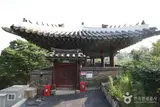
Changuimun Gate, the small north gate, was widely called by its affectionate nickname, Jahamun Gate. Since Sukjeongmun Gate was permanently closed and could not fulfill its role, this gate inevitably took over its duties as well. For this reason, people habitually called Changuimun Gate the North Gate. When heading out to the northern outskirts of the capital or toward nearby Seogeomjeong Pavilion and Bukhansan Mountain, this gate served as a gateway and saw frequent traffic. Perhaps because purple mist (jaha) often settled near this gate, native Seoulites referred to the Seogeomjeong area as , which meant outside Changuimun Gate. This Jahamun Gate is the only one among the Four Small Gates to preserve its original structure. MoreLess
- 5
Baeksasil Valley
백사실계곡
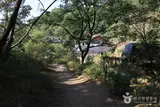
Baeksasil Valley is a rare pristine natural habitat in Seoul where cultural and historical sites (Baekseokdongcheon, Historic Site No. 462) harmonize beautifully with nature, providing a home to various creatures such as salamanders, frogs, Korean minnows, and crayfish. In particular, the salamander, an indicator species of first-grade water quality, is protected wildlife under the Seoul Metropolitan Government Natural Environment Conservation Ordinance; it inhabits Baeksasil Valley in colonies, making this area of very high conservation value. Known as a hidden clean valley in Seoul, it became a hot topic because salamanders live here. MoreLess
- 6
Seogeomjeong Pavilion
세검정
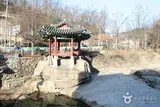
Walking about 5 minutes from the entrance of Sangmyung University toward Bugak Tunnel, you will find Seogeomjeong Pavilion built on a large boulder by the stream. It is said to have gained the name "Seogeomjeong" (Sword-Washing Pavilion) because comrades of the 1623 King Injo Coup, including Yi Gwi (李貴) and Kim Ryu (金#29804;), gathered here to discuss the dethronement of King Gwanghaegun and washed their swords. It is also said to have been erected in the 23rd year of King Yeongjo (1747) as a resting place for soldiers after building Bukhansanseong Fortress. It refers to the area around the valley stream flowing down from Baegundae Peak at the southern foot of Bukhansan Mountain, where hikers line up on weekends to enjoy food at cozy waterside restaurants. MoreLess
Source: Korea Tourism Organization (TourAPI) · Machine-translated