Crossing the Ancient Passes of Yeongju in the Footsteps of Seonbi Scholars
6 stops · 1 day
When thinking of Yeongju, Buseoksa Temple and Sosuseowon Confucian Academy come to mind first. Around Buseoksa Temple, there are beautiful forest trails that are wonderful for walking, so do not miss out on their charm. You can also visit the nearby Geumseongdaegun Shindan Altar, Choamsa Temple, and Sosuseowon Confucian Academy, Korea's first royally chartered private academy. In addition to these, charming and wonderful attractions are hidden all throughout Yeongju. Take your time to explore them.
- Duration
- 1 day
- Distance
- 29.07km
Along the way
- 1Buseoksa Temple (Yeongju)
부석사(영주)
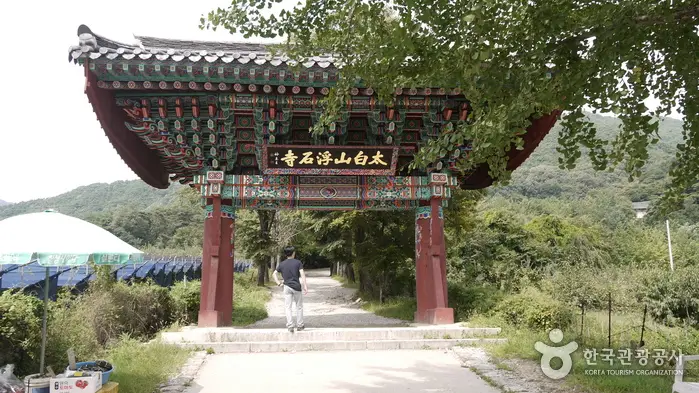
Buseoksa Temple is the head temple of the Hwaeom Sect in Korea, founded by royal order in 676 (the 16th year of King Munmu of Silla) by Great Monk Uisang, the founder of the Korean Hwaeom Sect. While studying in Tang China, the monk heard news of Tang Emperor Gaozong's plan to invade Silla, returned home to inform the king, and founded this temple to overcome internal and external crises by uniting public sentiment through the Hwaeom principles he had mastered, making it the birthplace of Korean Hwaeom thought. MoreLess
- 2
Lunch (Buseoksa Jongjeom Restaurant)
점심식사(부석사종점식당)
There are quite a few local restaurants at the entrance of Buseoksa Temple, and they are especially famous for Sanchae Jeongshik (wild vegetable set menu) and Sanchae Bibimbap (wild vegetable mixed rice). You can savor a lavish feast filled with side dishes made from wild vegetables nurtured by clear dew deep in Sobaeksan Mountain. Notably, no artificial seasonings or sweeteners are used during cooking, and natural sesame oil, toasted sesame salt, and soy sauce are used to create an exquisite flavor, drawing many tourists who visit Buseoksa Temple. MoreLess
- 3
Geumseongdaegun Shindan Altar, Yeongju
영주 금성대군 신단
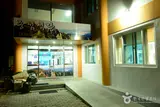
Designated as Historic Site No. 491, the Geumseongdaegun Shindan Altar in Yeongju is a sacred site that honors Grand Prince Geumseong (named Yu, the sixth son of King Sejong, uncle of King Danjong, and fourth younger brother of Grand Prince Suyang), who was tragically executed while plotting the restoration of King Danjong during the reign of King Sejo of the Joseon Dynasty, as well as Sunheung Magistrate Lee Bo-heum and the loyal patriots who died as martyrs in connection with that event. MoreLess
- 4
Choamsa Temple (Yeongju)
초암사(영주)
Wishing to establish a temple to protect the nation, Great Monk Uisang built a thatched hut in this scenic area to serve as a temporary residence. After finding an auspicious site and establishing Buseoksa Temple, he built a temple where the thatched hut had stood and named it Choamsa Temple. Located beneath the southern valley of Gukmangbong Peak of Sobaeksan Mountain, it was rebuilt after the Korean War and currently preserves cultural assets designated as provincial tangible cultural heritage, including a three-story stone pagoda, East Stupa, and West Stupa. MoreLess
- 5
Jukgye Gugok Valley
죽계구곡
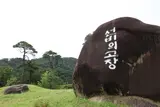
The valley stretching from Baejeom-ri to Choamsa Temple is called Jukgye Gugok Valley. In the past, scholar Toegye Yi Hwang was deeply enchanted by the picturesque scenery of the valley, and thinking the sound of flowing water resembled songs, he gave fitting names to each section and called it Jukgye Gugok. Formed by crystal-clear water revealing the valley floor, dense green forests, and white rocks in between, Jukgye Gugok Valley allows visitors to sit down and dip their feet anywhere to relax, making it a popular valley visited by many people across the country, especially during the hot summer vacation season. Nearby attractions include Sosuseowon Confucian Academy, Buseoksa Temple, and Eupnae-ri Mural Tombs. MoreLess
- 6Sosuseowon Confucian Academy
영주 소수서원
Heading a little toward Buseoksa Temple from Punggi-eup, Yeongju-si, Gyeongsangbuk-do, Sosuseowon Confucian Academy is located on the right side of the road. It is Korea's first royally chartered private academy ("saek" refers to the monarch bestowing a hanging board). A seowon was a private educational institution of the Joseon Dynasty dedicated to venerating ancient sages and educating students. Its standard facilities include a shrine to house portraits of sages and perform rituals, a lecture hall to learn and discuss scholarship, and dormitories where students resided. Sosuseowon Confucian Academy originated in 1543 (the 36th year of King Jungjong) when Ju Se-bung, the magistrate of Punggi, built a shrine on the site of Suksusa Temple for Hoeheon An Hyang, whom he admired. Its initial name was Baegundong Seowon, but later, when Toegye took office as the magistrate of Punggi, he requested formal state authorization. In response, King Myeongjong bestowed a signboard handwritten with "Sosuseowon" (紹修書院). It bears the meaning of "continuing and cultivating Confucianism that had fallen into decline." MoreLess
Source: Korea Tourism Organization (TourAPI) · Machine-translated