A Healing Walk Along a Lush Forest Path
3 stops · 5 hours
Gwangneung Arboretum is a near-natural arboretum built using natural forest, with lush wooded trails, and its Forest Museum is the largest of its kind in the East. Nearby attractions include the Bonsai Park and Bongseonsa Temple, and Bupyeong-ri's Hanshik Village offers enjoyable food options.
- Duration
- 5 hours
- Distance
- 3.32km
Along the way
- 1
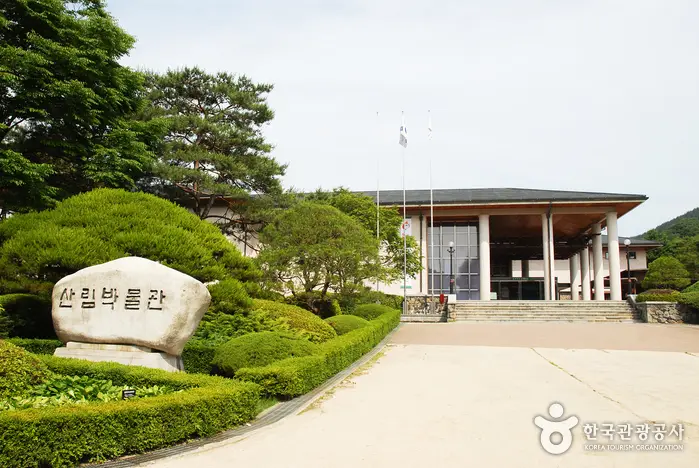
Gwangneung Arboretum
광릉수목원
The Korea National Arboretum was created using the natural forest of the Gwangneung Experimental Forest. Within the arboretum stands the Forest Museum, which exhibits all manner of material related to forests. The Forest Museum is the largest of its kind in the East, covering 1,400 pyeong, designed in a traditional Korean style attuned to nature, with both its interior and exterior finished entirely in domestic wood and stone. MoreLess
- 2
Lunch (Dong-i Hobak Ori, Sigol Bapsang)
점심식사(동이호박오리, 시골밥상)
Lunch [Dong-i Hobak Ori] Sweet pumpkin duck roast — sulfur-smoked duck with the fat drained off, stuffed inside a sweet pumpkin and roasted in a pressure oven — is prized for its light, clean flavor, and is said to be excellent for preventing lifestyle diseases and to have strong anti-cancer properties, drawing a steady stream of food lovers. Lunch [Sigol Bapsang] Now nearing its 10th year in business, this restaurant's signature dish is grilled fish. The golden-grilled fish comes with more than 12 side dishes. Just as the table setting is neat and tidy, the side dishes are equally flavorful. MoreLess
- 3
Bongseonsa Temple
봉선사
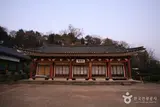
Bongseonsa Temple is very close to Gwangneung, widely known for its crested ibises and arboretum. Its history dates back to the Goryeo dynasty. On the original site of Bongseonsa stood a temple called Unaksa, founded in the 20th year of King Gwangjong of Goryeo (969) by State Preceptor Beopin, which was reduced to ruins through repeated turmoil. In 1469 (the first year of King Yejong, the eighth king of Joseon), Queen Jeonghui of the Yun clan (queen consort of the seventh king, Sejo) rebuilt it to enshrine the spirit of King Sejo and renamed it Bongseonsa. Since then, Bongseonsa has been destroyed and rebuilt seven times through the Imjin War, the Manchu invasion, and the Korean War. MoreLess
Source: Korea Tourism Organization (TourAPI) · Machine-translated