Dongdaemun Tour
5 stops · 5 hours
Dongdaemun is a commercial and cultural hub in Seoul packed with unique attractions. Recently, Dongdaemun Design Plaza (DDP) has been established, creating great buzz and adding even more to see. Furthermore, the area is home to traditional, famous eateries and food alleys, offering plenty of culinary delights. Be sure to embark on a tour of Dongdaemun when visiting Seoul.
- Duration
- 5 hours
- Distance
- 3.88km
Along the way
- 1
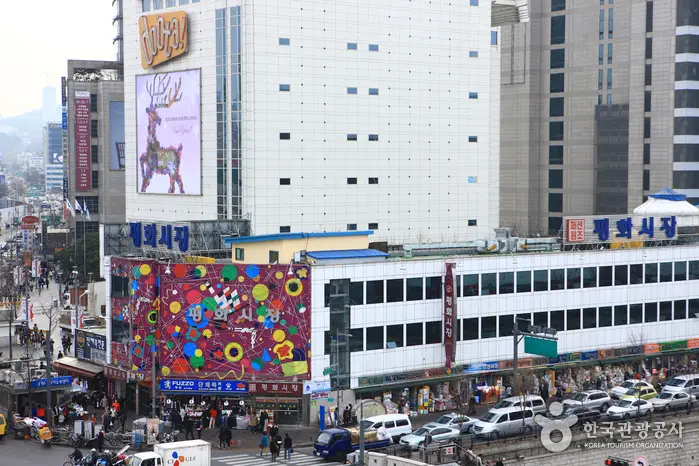
Dongdaemun Shopping Complex & Shopping Town
동대문종합시장 쇼핑타운
Boasting a long history and tradition, Dongdaemun Shopping Complex is one of Korea's representative markets. It opened on December 23, 1970, as the largest single market in the Orient. Dongdaemun Shopping Town opened in December 1985, and today it consists of a total of five buildings: Buildings A, B, C, and D, and the Shopping Town. It houses over 5,000 stores specializing in fabrics, garment materials/accessories, jewelry, and wedding supplies. In particular, the fabric and garment materials market supplies the latest domestic and international materials in real time and maintains the nation's largest inventory, making it an international fashion market and shopping landmark frequently visited by leading domestic and overseas fashion brands. MoreLess
- 2
Dongdaemun Design Plaza (DDP)
동대문디자인플라자(DDP)
Harmonizing traditional architecture, historical relics, and artifacts with a state-of-the-art modern complex cultural facility, the Dongdaemun Design Plaza (DDP) park features the Seoul City Wall and Igansumun Floodgate (265 m, 8,030 ㎡), as well as the Dongdaemun History Museum (1,313 ㎡), Dongdaemun Relic Exhibition Hall (4,460 ㎡), Dongdaemun Stadium Memorial Hall (339 ㎡), Event Hall (2,058 ㎡), and Design Gallery (400 ㎡). MoreLess
- 3
Lunch (Jin Ok-hwa Halmae Wonjo Dakhanmari, Pyeongyang Myeonok)
점심식사(진옥화할매원조닭한마리, 평양면옥)
[Jin Ok-hwa Halmae Wonjo Dakhanmari] Opening in 1978 and preserving its culinary tradition for over 30 years across generations, Jin Ok-hwa Halmae Wonjo Dakhanmari is located in Jongno 5-ga. The restaurant strictly selects and boils only fresh 35-day-old young chickens without freezing them. By boiling them in a mild seasoning, it brings out the tender, natural flavor of the young chicken, which is a unique specialty of this place. Adding kalguksu noodles to the remaining broth is an unmissable treat. The broth served is rich, savory, and deeply flavorful. [Pyeongyang Myeonok] Pyeongyang Myeonok has carried on its signature taste across three generations. Ever since opening, the owner has personally prepared the food through three generations, striving to ensure customers enjoy unchanging flavor and generous portions.MoreLess
- 4
Dongdaemun History & Culture Park
동대문역사문화공원
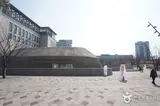
Within the park, besides the Seoul City Wall and Igansumun Floodgate (265 m, 8,030 ㎡), there are the Dongdaemun History Museum (1,313 ㎡), Dongdaemun Relic Exhibition Hall (4,460 ㎡), Dongdaemun Stadium Memorial Hall (339 ㎡), Event Hall (2,058 ㎡), and Design Gallery (400 ㎡). In particular, two night-game lighting towers and a cauldron stand preserved to commemorate Dongdaemun Stadium also stand in the park. MoreLess
- 5
Seoul Folk Flea Market
서울풍물시장
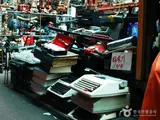
The origins of Seoul's folk flea market date back to before the Cheonggyecheon Stream restoration project, when Hwanghak-dong Flea Market was formed as a street lined with shops selling antique items and goods collected from across the country, serving as Korea's representative flea market and general bazaar. With the restoration of Cheonggyecheon Stream, the street stalls operating along Hwanghak-dong and Cheonggyecheon Stream relocated to Dongdaemun Folk Flea Market inside Dongdaemun History Park (formerly Dongdaemun Stadium). Later, as part of the Seoul Metropolitan Government's preceding project to turn Dongdaemun Stadium into a park and develop a representative Korean folk market linked to the tourism industry, the Seoul Folk Flea Market was opened at the site of the former Sungin Girls' Middle School at Cheonggye 8-ga adjacent to Cheonggyecheon Stream, aiming to become a world-class folk market and a new shopping attraction. MoreLess
Source: Korea Tourism Organization (TourAPI) · Machine-translated