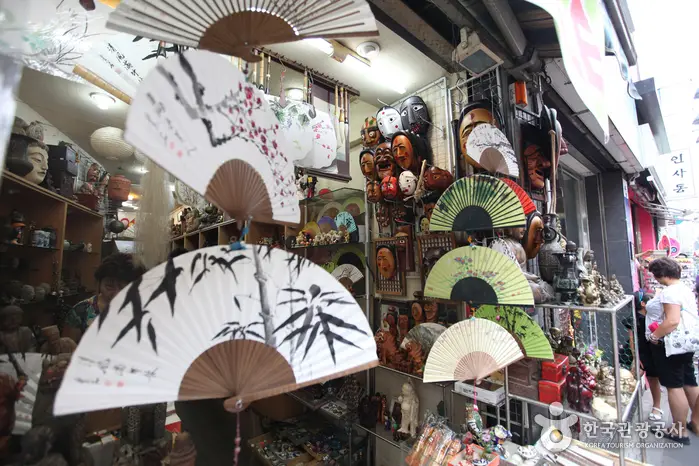
Enjoying the Antique Charm of the City
5 stops · 1 day
Historically, the Bukchon and Insa-dong areas around Gyeongbokgung Palace were predominantly occupied by hanok (traditional Korean houses) where the yangban (noble class) resided. Strolling along these stylishly modernized streets brimming with elegant classical charm is a great pleasure. Furthermore, taking a walk through Changgyeonggung Palace and Jongmyo Shrine, which preserve a tranquil ambiance in the heart of Seoul, offers true healing within the city.
- Duration
- 1 day
- Distance
- 54.13km
Along the way
- 1
Insa-dong
인사동
Insa-dong is a precious space in the heart of the city where old yet valuable traditional goods are exchanged. Centered around a wide main street, alleys are intricately interwoven like a maze. Within this maze, art galleries, traditional craft shops, antique stores, traditional teahouses, traditional restaurants, and cafes are densely clustered. In particular, the unique charm of the shops in Insa-dong makes them very popular with both young people and middle-aged visitors. Among these, the art galleries have served as the core sustaining the heritage of Insa-dong. MoreLess
- 2Bukchon Hanok Village
북촌한옥마을
Known since ancient times as Bukchon, a neighborhood of the yangban (nobility), the residences here are all tile-roofed houses from the Joseon period, preserved to this day with their upper-class architectural structures intact. Originally, this neighborhood had only a few large houses with high gates (sotdaemun) and about 30 hanok, but the number increased to its current state during the late Japanese colonial period and right after the recovery of Seoul during the Korean War. MoreLess
- 3
Lunch (Hwangsaengga Kalguksu, Soseonjae)
점심식사(황생가칼국수, 소선재)
[Hwangsaengga Kalguksu] A kalguksu (noodle soup) specialty restaurant famous for its exceptional king-sized dumplings (wangmandu) made with a mother's touch. [Soseonjae] Changed its name to Soseonjae. If you walk along the wall of Gyeongbokgung Palace, go up the right road at the three-way intersection where Jinseon Book Cafe is located, and pass the Samcheong-dong Community Service Center, you will find it. This street is lined with alleys full of renowned restaurants, and Soseonjae is famous for its Korean course meals prepared with wild herbs and 10-year-aged medicinal soybean paste (yakdoenjang). MoreLess
- 4
Changgyeonggung Palace
창경궁
Changgyeonggung Palace originated from Suganggung Palace, built in 1418 by King Sejong to serve King Taejong, who had abdicated the throne. Later, during the reign of King Seongjong, Myeongjeongjeon, Munjeongjeon, and Tongmyeongjeon Halls were built and named Changgyeonggung to house Queen Jeonghui (wife of King Sejo), Queen Sohye (wife of King Deokjong), and Queen Ansun (wife of King Yejong). Changgyeonggung Palace holds many painful stories. It was burnt down during the Japanese invasions of Korea (Imjin War) and also suffered damage during Yi Gwal's Rebellion and the Manchu invasion of Korea (Byeongjahoran). Stories of Queen Inhyeon and Lady Jang Hui-bin from the reign of King Sukjong, as well as Crown Prince Sado, who was locked in a rice chest and killed during the reign of King Yeongjo, are buried within the grounds of Changgyeonggung Palace. MoreLess
- 5Jongmyo Shrine [UNESCO World Heritage]
종묘[유네스코 세계문화유산]
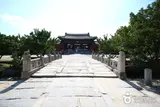
Jongmyo is a shrine that houses the spirit tablets (Sinju) of the kings and queens of the Joseon Dynasty, as well as posthumously honored kings and queens. Within its 56,500-pyeong grounds, there are buildings such as Jongmyo Jeongjeon (Main Hall), the annex Yeongnyeongjeon Hall, Jeonsacheong, Eosuksil, Hyangdaecheong, and Sindang. The Jongmyo Daeje (Royal Ancestral Ritual) held here was a national event dating back to the Three Kingdoms period. Rituals honoring past monarchs were indispensable, paramount national ceremonies and formed the foundation of the governing order during the dynastic era. MoreLess
Source: Korea Tourism Organization (TourAPI) · Machine-translated