Around Cheonggyecheon Stream, from Gyeongbokgung Palace to Insa-dong
6 stops · 7 hours
Gyeongbokgung Palace and Cheonggyecheon Stream, once the center of Hanyang, are essential tourist destinations in Seoul. Taking a leisurely stroll along Cheonggyecheon Stream, an urban waterway charming in any season, offers the delightful fun of spotting glimpses of Seoul's historical relics along the way. Gyeongbokgung Palace, the National Folk Museum of Korea, Bukchon Hanok Village, and Insa-dong—must-visit spots when coming to Seoul—together make for a wonderful walking course.
- Duration
- 7 hours
- Distance
- 7.35km
Along the way
- 1Cheonggyecheon Stream
청계천
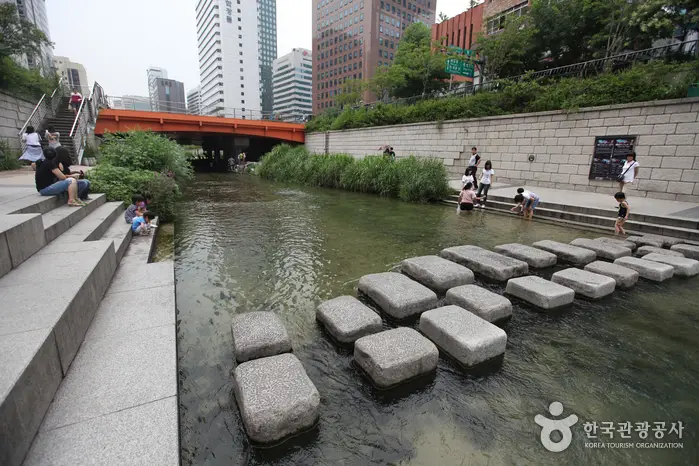
Cheonggye Plaza was created on Sejong-daero, where Cheonggyecheon Stream begins. Extending from the front of the Dong-A Ilbo building—the starting point of the Cheonggyecheon restoration—to the Sindap Railroad Bridge, it covers an area of 160 meters long, 50 meters wide, and a total of 6,962 m² (2,106 pyeong). Decorated with fountains, waterfalls, a miniature model of Cheonggyecheon Stream, walking paths, and exploration trails, it was designed as a place wishing for meeting, harmony, peace, and reunification, alongside commemorating the significance of the Cheonggyecheon restoration. MoreLess
- 2Gyeongbokgung Palace
경복궁
Gyeongbokgung Palace was built in 1395 by King Taejo Yi Seong-gye as the main legal palace of the new Joseon Dynasty. Because it was located to the north compared to Donggwol (Changdeokgung Palace) and Seogwol (Gyeonghuigung Palace), it was also referred to as 'Bukgwol' (Northern Palace). Gyeongbokgung Palace (Historic Site No. 117) boasts the grandest scale and architectural beauty among the Five Grand Palaces. The kings who held their coronation ceremonies at Geunjeongjeon Hall of Gyeongbokgung Palace include King Jeongjong (2nd), King Sejong (4th), King Danjong (6th), King Sejo (7th), King Seongjong (9th), King Jungjong (11th), and King Myeongjong (13th). MoreLess
- 3
Lunch (Samcheongdong Sujebi, Suwolae)
점심식사(삼청동 수제비, 수와래)
[Samcheongdong Sujebi] If you get off at Gyeongbokgung Station on Subway Line 3 and follow the wall of Gyeongbokgung Palace into Samcheongdong-gil Road, a street lined with thick, magnificent trees unfolds. Passing along this road, which changes colors with each season, offering relief from the heat or scattering fallen leaves, and heading toward Samcheong Tunnel, you will find Samcheongdong Sujebi. The signature dish here is hand-pulled dough soup (sujebi) served in an earthenware jar, prepared with chopped zucchini, clam meat, and potatoes. [Suwolae] Welcoming visitors with a painted tree and playful dolls on the exterior, this place features an interior just as unique as its facade. Reminiscent of something straight out of a still-life painting, the interior design looks rich, while the soft, warm yellow lighting creates a cozy atmosphere. The menu is diverse, including soups, appetizers, salads, spaghettis categorized by sauce type, and gratins. Renowned for its pleasant ambiance, it is a popular spot for couples and an ideal setting for gatherings among female friends. MoreLess
- 4National Folk Museum of Korea
국립민속박물관
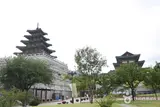
The National Folk Museum of Korea is the nation's only comprehensive national museum dedicated to folk life history, exhibiting around 4,000 folk artifacts related to Korea's traditional lifestyle, and is located inside Gyeongbokgung Palace. Through research, collection, preservation of folk culture, cultural education, and exhibitions of daily living culture, it serves as a site of cultural education that inspires national pride with a proper understanding of traditional culture, as well as a cultural hall where tradition and modernity harmonize. It features three permanent exhibition halls and two special exhibition halls, and visitors can make use of facilities such as a reference room and museum shop, or participate in various cultural education programs and events. MoreLess
- 5Bukchon Hanok Village
북촌한옥마을
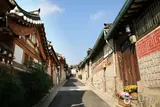
Bukchon Hanok Village is located between Gyeongbokgung Palace, Changdeokgung Palace, and Jongmyo Shrine, serving as a traditional residential area that has shared 600 years of Seoul's history. Closely nestled between two massive palaces, this cluster of traditional hanok houses preserves numerous branch-like alleys, dramatically showcasing the landscape of a 600-year-old historic city. Today, it is used for traditional cultural experience centers, hanok restaurants, and more, allowing visitors to indirectly experience the atmosphere of the Joseon Dynasty. MoreLess
- 6
Insa-dong
인사동
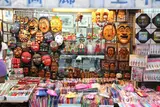
Insa-dong is a cherished space in the heart of the city where old yet precious traditional items are traded. Across Insa-dong, alleys branch out like a maze centered around a main thoroughfare. Within this maze, art galleries, traditional craft shops, antique stores, traditional teahouses, traditional restaurants, and cafes are densely gathered. In particular, the shops in Insa-dong, each with their own unique charm, are extremely popular not only among young people but also middle-aged visitors. Among them, art galleries have served as the core keeping the pulse of Insa-dong alive. MoreLess
Source: Korea Tourism Organization (TourAPI) · Machine-translated