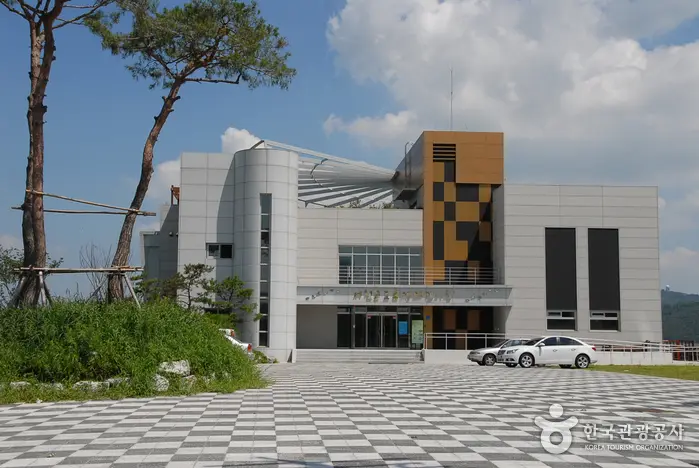
A Nature-Loving Trip Along the Geumgang River
6 stops · 6.5 hours
This course offers a fresh look at the charm of Seocheon, an eco-city. Visit the Bird Ecology Center, where you can learn about the migratory birds that flock to Seocheon and their habits, then take in the lotus flowers and wildflowers of Seocheon Botanical Garden and the Sinseong-ri Reed Field, feeling the beauty and importance of nature along the way. The course also includes the Lee Ha-bok House, a fine example of a traditional central-region farmhouse, the birthplace of independence activist Lee Sang-jae, and the Hansan Mosi (Ramie) Museum.
- Duration
- 6.5 hours
- Distance
- 28.5km
Along the way
- 1
Bird Ecology Exhibition Hall
조류생태전시관
Together with the tidal flats and reed beds of the Geumgang Estuary Bank, the vast rice paddies and fields of the surrounding farmland beyond the bank serve as an abundant food source for tens of thousands of migratory birds, making this a naturally blessed habitat for them. A bird-watching platform with rest facilities operates here so that visitors can observe the migratory birds that flock to the Geumgang Estuary Bank. The surrounding area, where reeds blend with the special beauty of the estuary, is steeped in the romance of reed fields, making it a place that nourishes the hearts of couples and families alike.MoreLess
- 2
Seocheon Lee Ha-bok House
서천 이하복 가옥
Located in Sinsan-ri, Gisan-myeon, Seocheon-gun, Chungcheongnam-do, the Seocheon Lee Ha-bok House is a representative house that has preserved the form of a traditional farmhouse (a "big house") of Korea's central region. In recognition of its value, it was designated Important Folklore Cultural Heritage No. 197 on December 24, 1984. The house was built when Byeong-sik (an official of the Jungchuwon, or Privy Council), the 18th-generation descendant of Mok-eun Yi Saek, founding ancestor of the Hansan Yi clan, built three rooms of the main house (anchae) in the late 19th century (late Joseon period). His son later built the sarangchae (men's quarters), an outer building, and an upper building in the early 20th century, greatly extending the main house as well, and the house has been passed down in this form to the present day.MoreLess
- 3
Seocheon Botanical Art Garden
서천식물예술원
Seocheon Botanical Art Garden is made up of a lotus garden, a maze garden, a totem-pole (sotdae) garden, an earthenware exhibition hall, and a bonsai exhibition hall. The director, who retired as an elementary school principal in 2003, opens to the public, free of charge, the collection he has gathered and cultivated over more than 40 years, instilling in young people an appreciation for Korea's traditional culture and the value of nature through hands-on learning.MoreLess
- 4
Hansan Mosi (Ramie) Museum
한산모시관
The Hansan Mosi Museum opened in August 1993 with the aim of spreading awareness of the tradition of ramie cloth and its weaving techniques, and of passing them on and preserving them. Spanning 85,000㎡, it houses facilities including the Mosi Hall, a traditional workshop, a traditional education hall, a Hansan sogokju (traditional rice wine) brewery, and a folk museum.MoreLess
- 5
Birthplace of Lee Sang-jae
이상재선생 생가지
The birthplace of Lee Sang-jae is a thatched-roof house with a main house (anchae) and a men's quarters (sarangchae), four bays wide and two bays deep, with a raised solid-wood gate (sotdaemun). It is said that the main house was built around 1800 and the sarangchae around 1926, but the original buildings were lost in 1955. The buildings standing today were restored in two stages, in 1972 and 1980.MoreLess
- 6
Sinseong-ri Reed Field
신성리 갈대밭
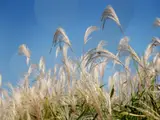
Covering an area of some 60,000 pyeong, Sinseong-ri Reed Field is one of Korea's four great reed fields and is also famous as a filming location for movies. It forms a mysterious harmony with the sunlit ripples of the Geumgang River, and in winter it is well known as a habitat for flocks of migratory birds such as swans and mallards. Seocheon is a region rich in reed groves.MoreLess
Source: Korea Tourism Organization (TourAPI) · Machine-translated