Onggi: Learning the Wisdom of Our Ancestors
4 stops · 6 hours
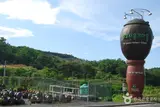
Just looking at onggi (traditional Korean earthenware) fills you with warmth and familiarity. Oegosan Onggi Village is a village where you can see onggi pots of various sizes and shapes and observe how they are made. From the world's largest onggi, listed in the Guinness World Records, to the very kilns where onggi are fired, everything can be seen firsthand, making it an excellent hands-on learning site for children. Meeting the sea of Ulsan starting from Ganjeolgot is a bonus.
- Duration
- 6 hours
- Distance
- 14.2km
Along the way
- 1Ganjeolgot Lighthouse
간절곶등대
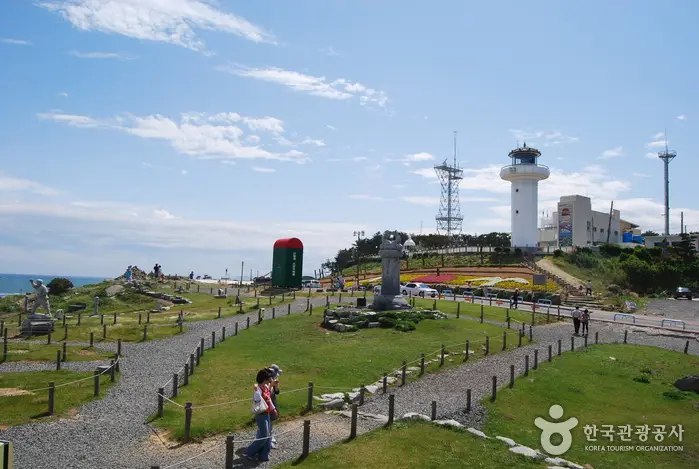
The place where the first sunrise of a new millennium rises earliest on the Korean Peninsula — Ganjeolgot, in Daesong-ri, Seosaeng-myeon, Ulju-gun, is where you can greet the first sunrise on the East Coast. The sunrise here begins one minute earlier than at Homigot in Yeongil Bay, and as much as five minutes earlier than at Jeongdongjin in Gangneung, and the sight is spectacular. Together with Jinha Beach and Seosaengpo Waeseong Fortress in the Ulsan area, it is drawing attention as a new attraction. Ganjeolgot Lighthouse is about 20 minutes from the entrance of Ulsan's southern ring road. MoreLess
- 2Jinha Beach
진하해수욕장
Located 24km southeast of Ulsan, this beach is 1km long and 300m wide, with shallow water. Thanks to the characteristics of the South Sea, the water is warm and the waves calm, making it well suited as a beach, and with pine forests surrounding three sides of the sandy shore, the scent of pine gives it a cozy feel despite its large size. Connected to Busan's Haeundae and Songjeong Ilgwang beaches, it has a wide, 96,000-square-meter sandy shore, and draws a steady stream of visitors year-round, including photographers, windsurfing enthusiasts, and sea anglers. MoreLess
- 3
Seosaengpo Waeseong Fortress
서생포왜성
Seosaengpo Waeseong Fortress is a typical late-16th-century Japanese-style stone fortress, built under the command of the Japanese general Kato Kiyomasa from July 1592 (the 25th year of King Seonjo's reign) through 1593 (the 26th year), during the early Japanese invasions of Korea. The main fortress (Honmaru) sits atop a 200m hill, with the second fortress (Ninomaru) on the middle tier below and the third fortress (Sannomaru) at the lowest. The walls are 6m high with a 15-degree incline, and the overall shape of the fortress is rectangular. MoreLess
- 4Oegosan Onggi Village
외고산옹기마을
Known as Korea's largest traditional folk onggi village, this is a place where you can see the traditional onggi-making process with your own eyes. The whole village is filled with onggi pots, creating a distinctive village landscape, and especially on snowy days, the sight of onggi being fired in each household gives visitors a taste of the peaceful, warm atmosphere of a village from the past. There is also a place where Silla-era pottery is recreated, making it a place highly recommended as an educational site for students. MoreLess
Source: Korea Tourism Organization (TourAPI) · Machine-translated