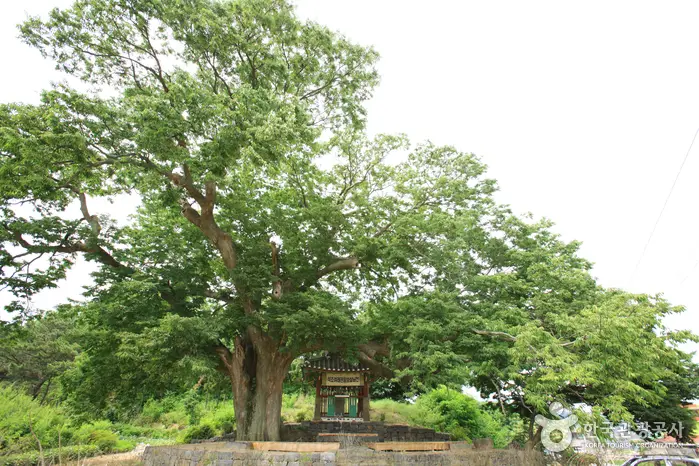
A Healing Trip to Mt. Jwagusan, Where a Tortoise Sits
5 stops · 6 hours
Mt. Jwagusan spans Jeungpyeong, Goesan, and Cheongwon in North Chungcheong Province, and takes its name from the mountain's shape, said to resemble a tortoise sitting and facing south. The natural recreation forest on Mt. Jwagusan features not only forests and recreational facilities but also Yulli Resort Village and the Jwagusan Observatory, letting visitors enjoy rest and hands-on experiences at once.
- Duration
- 6 hours
- Distance
- 20.5km
Along the way
- 1
Botasa Temple
보타사
Botasa Temple is located at San 63-34, Yeontan 2-ri, Jeungpyeong-eup, Jeungpyeong-gun, North Chungcheong Province, and belongs to the Taego Order of Korean Buddhism. Nestled at the foot of Mt. Dutasan in Jeungpyeong, Botasa has a relatively short history of just over 130 years, and its name is still unfamiliar to many. Even so, the temple holds a seven-story stone pagoda built to gather the wishes of many people for national reunification. Being of recent construction, the pagoda lacks refined carving and even feels somewhat sharp-edged, but it carries great meaning as a vessel for the prayers of all who contributed to its making. MoreLess
- 2
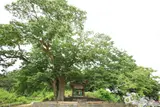
Standing Stone Avalokitesvara Bodhisattva of Miam-ri, Jeungpyeong
증평 미암리 석조관음보살입상
This stone Buddhist statue stands in Songsan-ri, Jeungpyeong-eup, Jeungpyeong-gun, North Chungcheong Province. The canopy stone (bogaeseok) that once sat above its head is now broken and lies beneath an old tree outside the protective shelter. A round urna (white curl) sits between the eyebrows, and the eyes, nose, and mouth are neat and well proportioned. The three folds (samdo) carved on the neck are clear, and the body has a somewhat heavyset feel. The robe wraps both shoulders and falls to the sides, while the lower garment is only faintly carved near the navel. MoreLess
- 3
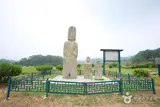
Standing Stone Bodhisattva of Namha-ri
남하리 석조보살입상
This statue stands facing north amid the rice paddies and fields of Namha-ri village, Jeungpyeong-eup. It had been scattered nearby along with two smaller statues until 1949, when the monk Yun Wol-in, who founded Seongjusa Temple on the hill behind the village, gathered and re-erected them; after the Korean War, villagers have protected it as the guardian Buddha of the village. With its feet buried in the ground, the statue depicts a bodhisattva wearing a tall crown, its left hand raised to the chest holding a lotus blossom. MoreLess
- 4
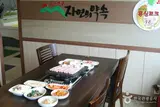
Lunch (Myeongpum Hanwoo Jayeonui Yaksok)
점심식사(명품한우 자연의 약속)
'Jayeonui Yaksok' (Nature's Promise) is a Goesan-Jeungpyeong Korean beef (hanwoo) brand that inspires trust as the first in Korea to receive antibiotic-free livestock certification from the National Agricultural Products Quality Management Service. Its biggest strength is being a direct outlet of the Jeungpyeong Livestock Cooperative, which keeps prices free of markup. On top of that, the interior and service befitting a 'premium hanwoo' brand set it clearly apart from other direct-sales outlets. MoreLess
- 5Jwagusan Natural Recreation Forest
좌구산자연휴양림
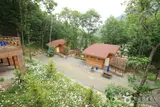
Jeungpyeong's Jwagusan Natural Recreation Forest lies at the foot of Mt. Jwagusan (657m), the highest peak of the Hannamgeumbuk Ridge. Shaped like a sitting tortoise — a symbol of happiness and longevity since ancient times — Mt. Jwagusan suits a recreation forest remarkably well. Nearby Samgi Reservoir also adds a touch of charm alongside the mountain on misty days. Centered on the recreation forest, the area links a resort village, Samgi Reservoir, a forest bathing area, and MTB and hiking trails, and has gained popularity as a comprehensive resort destination where visitors can enjoy cultural experiences, exercise, and rest all at once. MoreLess
Source: Korea Tourism Organization (TourAPI) · Machine-translated