Visiting the Historic Sites of the Goryeo and Joseon Dynasties
6 stops · 6.5 hours
Beneath the Jindo Bridge connecting Jindo and Haenam lies Uldolmok, a spot with fierce currents, and the historic site of the Battle of Myeongnyang during the Japanese invasions of 1592. This history-themed course lets you look down on Myeongnyang from Nokjin Observatory and visit the Yi Sun-sin Memorial Stele at Byeokpajin. It's also worth visiting Yongjangseong Fortress, the base of the Sambyeolcho during the Goryeo dynasty.
- Duration
- 6.5 hours
- Distance
- 32.7km
Along the way
- 1
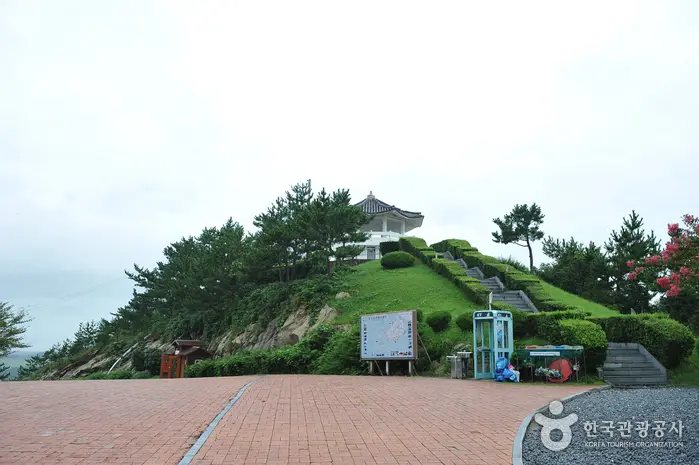
Nokjin Observatory
녹진전망대
Set atop Manggeumsan, this observatory offers a panoramic view of the bridge and surrounding scenery, and can be reached in casual clothing without any hiking gear. The surrounding scenery viewed from the summit is breathtaking.\nMoreLess
- 2Admiral Yi Sun-sin Byeokpajin Victory Monument
이충무공 벽파진 전첩비
Byeokpajin is the historic site where Yi Sun-sin stayed for 16 days just before winning the Battle of Myeongnyang, contemplating the nation's future and the people's welfare, reorganizing his forces, and planning his strategy. The monument stands 11m tall, mounted atop a large stone tortoise, overlooking the Myeongnyang Strait.\nMoreLess
- 3Jindo Yongjangseong Fortress
진도 용장성
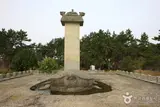
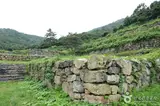
During the reign of King Wonjong of Goryeo, when the royal court surrendered to the Mongols amid the resistance war, the Sambyeolcho fought on to the end. General Bae Jung-son, pursued by Mongol forces, moved from Ganghwado to Jindo and established a new state. For a time he wielded considerable power, controlling part of the mainland and even Jejudo, but was ultimately subdued by the combined Goryeo-Mongol forces. Yongjangsanseong and Namdoseokseong were the strongholds the Sambyeolcho used as their base of resistance at that time. \nMoreLess
- 4
Lunch (Sarangbang, Jejingwan)
점심식사(사랑방, 제진관)
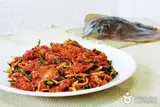
[Sarangbang] \nThe main dishes here are ganjaengi (skate) muchim and clam muchim, made with fresh, plump skate and clams caught just off Cheongnyong in Seocheon, Jindo, sliced raw and tossed with fragrant water celery. Rich in protein, vitamins, and minerals, it's said to be good for the body, but above all, there's little that pairs better with a drink. \n[Jejingwan] \nHere, the owner personally selects only skate caught in Jindo's pristine waters, cooking it with a distinctive touch that yields a savory, tangy, and spicy flavor that is truly exceptional.\n\nMoreLess
- 5
Ssanggyesa Temple
쌍계사
21km from Gurye-eup, Jeollanam-do, along the 6km stretch from Hwagae-ri to Unsu-ri in Hwagae-myeon, Hadong-gun, Gyeongsangnam-do, cherry trees line the road, and right here, at the southern foot of Jirisan, stands Ssanggyesa, founded in the 21st year of King Seongdeok of Silla's reign (722) by Samdeok, a disciple of Master Uisang. Originally named Okcheonsa, it was rebuilt into a great temple in the 2nd year of King Munseong's reign (840) by Master Jingam, and in 887, King Jeonggang, in admiration of the master's virtue, renamed it 'Ssanggyesa.' \nMoreLess
- 6Jindo Unlimsanbang
진도 운림산방
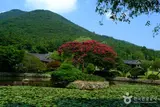
Heading south from Jindo-eup, it is located near Ssanggyesa on the western side of Cheomchalsan, comprising the U-shaped tiled-roof main building of Unlimsanbang, a thatched-roof residential building behind it, and newly built memorial halls. In the pentagonal pond in front of Unlimsanbang, white water lilies bloom, and on the circular island 6m in diameter at the pond's center stands a crepe myrtle tree. \nMoreLess
Source: Korea Tourism Organization (TourAPI) · Machine-translated