Walking the Cheonnyeon Jeonju Masil Trail
12 stops · 4 hours
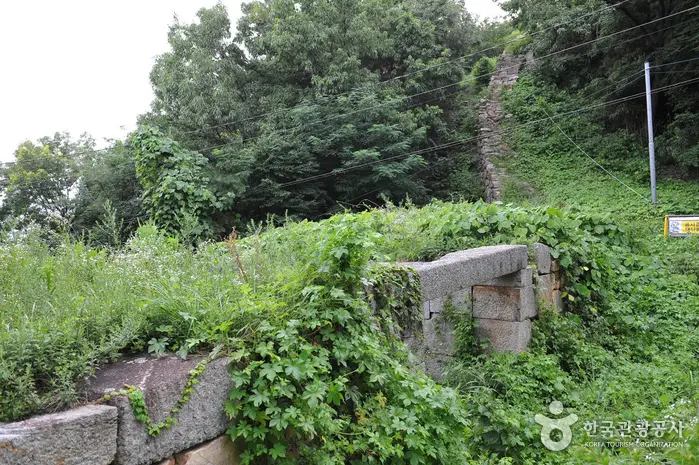
This is a trail for discovering Jeonju, a thousand-year-old capital. Starting from Jeonju Hanok Village, it takes you around Jeonghyesa Temple, nestled beneath Wansanchilbong Peak, Wansan Park, and Namgosanseong Fortress. In particular, the stretch from Wansanchilbong to Namgosanseong Fortress is a walking trail named the "Cheonnyeon Jeonju Masil-gil," and climbing up to Namgosanseong Fortress, built by Gyeon Hwon of Later Baekje, offers a sweeping view of downtown Jeonju.
- Duration
- 4 hours
- Distance
- Approx. 12km
Along the way
- 1
Jeonju Namgosanseong Fortress
전주 남고산성
Jungang-dong, Pungnam-dong, and Jeon-dong, which form the center of Jeonju, are home to many venerable cultural heritage sites. Jeonju also has mountain fortresses: Namgosanseong Fortress in Dongseohak-dong, and Wibongsanseong Fortress in the city's northwest. Climbing up behind Jeonju National University of Education leads to Namgosanseong Fortress, a 2.95km-long wall encircling the 220m-high summit of Namgosan Mountain. As for when it was built, some say it was first constructed by Gyeon Hwon of Later Baekje, while others say it existed even earlier. MoreLess
- 2
Jeonju Hanok Village
전주한옥마을
Jeonju Hanok Village is located in Pungnam-dong and Gyo-dong, Jeonju. Some 800 hanok, Korea's traditional houses, are clustered densely here. Preserving the old amid a rapidly changing city, Jeonju Hanok Village is famous as a place to experience Korea's old traditions.MoreLess
- 3Wansanchilbong (Wansan Park)
완산칠봉(완산공원)
Wansanchilbong is the mountain so closely tied to Jeonju's identity that mentioning Jeonju brings Wansanchilbong to mind, and vice versa. The mountain range of Wansan, which has continued alongside the thousand-year-old capital of Jeonju, flows into the Honam Plain and has become the birthplace of nearby cities such as Iksan and Gunsan; it also embraces the venerable Chilseongsa Temple and mineral springs. Climbing to the octagonal pavilion lookout at the summit of Wansanchilbong, the whole world seems to spread out and linger beneath your feet. Believed since ancient times to hold a mountain vein that protects the city - not only as a resting place for citizens but as something whose form must not be damaged, lest great disaster follow - the mountain has long been carefully protected and maintained. MoreLess
- 4
Lunch (Hanguk-jip)
점심식사(한국집)
Designated a local specialty restaurant by both the Seoul Metropolitan Government and Jeonju City, Hanguk-jip has stuck to traditional food for over 50 years, still making its own gochujang, soy sauce, and oil in-house. Notably, since it opened, four presidents and foreign dignitaries have dined on its Jeonju bibimbap, and it has even been listed by Japan's tourism authority.MoreLess
- 5
Lunch (Hanguk-jip)
점심식사(한국집)
Designated a local specialty restaurant by both the Seoul Metropolitan Government and Jeonju City, Hanguk-jip has stuck to traditional food for over 50 years, still making its own gochujang, soy sauce, and oil in-house. Notably, since it opened, four presidents and foreign dignitaries have dined on its Jeonju bibimbap, and it has even been listed by Japan's tourism authority. MoreLess
- 6
Jeonghyesa Temple
정혜사
Jeonghyesa Temple in Jeonju is a Buddhist college where nuns of the Bomun Order study. Just as Donghaksa Temple stands on Gyeryongsan Mountain, Jeonghyesa is a comparable place in Jeonju - both a college where nuns study and a temple for prayer. Because of this, even though it sits in the middle of downtown Jeonju, Jeonghyesa retains the full feel of a mountain temple.MoreLess
- 7Wansanchilbong (Wansan Park)
완산칠봉(완산공원)
Wansanchilbong is the mountain so closely tied to Jeonju's identity that mentioning Jeonju brings Wansanchilbong to mind, and vice versa. The mountain range of Wansan, which has continued alongside the thousand-year-old capital of Jeonju, flows into the Honam Plain and has become the birthplace of nearby cities such as Iksan and Gunsan; it also embraces the venerable Chilseongsa Temple and mineral springs. Climbing to the octagonal pavilion lookout at the summit of Wansanchilbong, the whole world seems to spread out and linger beneath your feet. Believed since ancient times to hold a mountain vein that protects the city - not only as a resting place for citizens but as something whose form must not be damaged, lest great disaster follow - the mountain has long been carefully protected and maintained.MoreLess
- 8
Namgosa Temple
남고사
Another memorable thing about Namgosa Temple is its highly distinctive Cheonwangmun Gate, the gate of the Four Heavenly Kings. Standing at the entrance or simply looking around the exterior, it doesn't seem very different from an ordinary Cheonwangmun gate. But the moment you step inside and are about to press your palms together before the statues of the Four Heavenly Kings, you'll likely let out an involuntary "Ah!" Moreover, the sight of the bell being struck at dusk is said to be so beautiful and striking that, if you plan to visit, it's worth timing your trip for that hour - then you'll vividly see the Four Heavenly Kings drawing close beside you. MoreLess
- 9
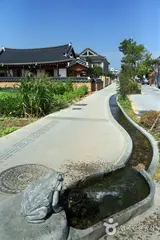
Jeonju Hanok Village
전주한옥마을
Jeonju Hanok Village is located in Pungnam-dong and Gyo-dong, Jeonju. Some 800 hanok, Korea's traditional houses, are clustered densely here. Preserving the old amid a rapidly changing city, Jeonju Hanok Village is famous as a place to experience Korea's old traditions. MoreLess
- 10
Namgosa Temple
남고사
Another memorable thing about Namgosa Temple is its highly distinctive Cheonwangmun Gate, the gate of the Four Heavenly Kings. Standing at the entrance or simply looking around the exterior, it doesn't seem very different from an ordinary Cheonwangmun gate. But the moment you step inside and are about to press your palms together before the statues of the Four Heavenly Kings, you'll likely let out an involuntary "Ah!" Moreover, the sight of the bell being struck at dusk is said to be so beautiful and striking that, if you plan to visit, it's worth timing your trip for that hour - then you'll vividly see the Four Heavenly Kings drawing close beside you.MoreLess
- 11
Jeonju Namgosanseong Fortress
전주 남고산성
Jungang-dong, Pungnam-dong, and Jeon-dong, which form the center of Jeonju, are home to many venerable cultural heritage sites. Jeonju also has mountain fortresses: Namgosanseong Fortress in Dongseohak-dong, and Wibongsanseong Fortress in the city's northwest. Climbing up behind Jeonju National University of Education leads to Namgosanseong Fortress, a 2.95km-long wall encircling the 220m-high summit of Namgosan Mountain. As for when it was built, some say it was first constructed by Gyeon Hwon of Later Baekje, while others say it existed even earlier.MoreLess
- 12
Jeonghyesa Temple
정혜사
Jeonghyesa Temple in Jeonju is a Buddhist college where nuns of the Bomun Order study. Just as Donghaksa Temple stands on Gyeryongsan Mountain, Jeonghyesa is a comparable place in Jeonju - both a college where nuns study and a temple for prayer. Because of this, even though it sits in the middle of downtown Jeonju, Jeonghyesa retains the full feel of a mountain temple. MoreLess
Source: Korea Tourism Organization (TourAPI) · Machine-translated