Into the Hidden Charms of Every Corner of Mt. Palgongsan
4 stops · 9 hours
At 1,193m, Mt. Palgongsan is Daegu's highest peak and a leading tourist destination, home to clear valleys, deep forests, and cultural heritage sites including Donghwasa Temple. Sometimes on foot, sometimes by cable car, set off to discover the hidden charms tucked away in every corner of Mt. Palgongsan.
- Duration
- 9 hours
- Distance
- 50km
Along the way
- 1Mt. Palgongsan Cable Car
팔공산 케이블카
The altitude people find most comfortable is around 700m above sea level, and the upper station of the Palgongsan cable car sits at a comfortable 800m. Breathing in the fresh phytoncide-rich air from Palgongsan's dense pine forest, you can take in a sweeping view of downtown Daegu and the mountain's majestic form. It's also a retreat where you can feel the mountain's energy. MoreLess
- 2
Lunch (Sanchae Sikdang)
점심식사(산채식당)
Sanchae Sikdang is one of the most highly regarded restaurants in Dong-gu, Daegu. Its menu ranges from smoked duck to full Korean course meals, but its signature dishes are sanchae bibimbap and dolsot bibimbap — rice mixed with fresh wild greens, served in a bowl or a hot stone pot. MoreLess
- 3
Donghwasa Temple
동화사
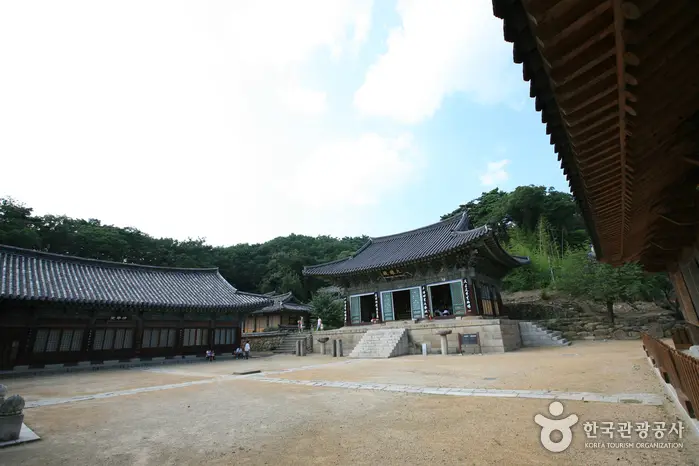
Located 22km northeast of downtown Daegu on the southern foot of Mt. Palgongsan, this temple was founded in the 15th year of King Soji of Silla (493) by the monk Geukdal, and was originally named Yugasa. When the monk Simji rebuilt it in the 7th year of King Heungdeok (832), the temple grounds were said to be full of blooming paulownia trees even in winter, so it was renamed Donghwasa ('Paulownia Blossom Temple'). The temple's entrance is lushly wooded, with clear water flowing year-round to form a waterfall.MoreLess
- 4
Daegu Bullo-dong Ancient Tombs
대구 불로동고분군
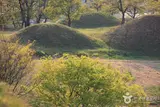
More than 200 ancient tombs are scattered across the hills of Bullo-dong, Dong-gu, along the Geumho River. The name Bullo-dong is said to come from the fact that when Wang Geon fled after his defeat at the Battle of Dongsu (also known as the Battle of Gongsan), the adults of this area had evacuated, leaving only the children behind — hence 'Bul-lo' ('without the elderly'). The Bullo-dong tombs, believed to date from the Three Kingdoms period, are thought to be the communal burial ground of the local ruling clan that once governed this area.MoreLess
Source: Korea Tourism Organization (TourAPI) · Machine-translated