Scenery Like a Rest Found in the Heart of the City
6 stops · 9 hours
In the modern-era alleys of Daegu, stories from 100 years ago remain intact. Below Cheongna Hill, where missionary houses from a century ago still stand, Gyesan Cathedral, the Lee Sang-hwa House, and Jingolmok Alley continue one after another. Jingolmok Alley, brimming with the energy of daily life, and Kim Kwang-seok Street, at the edge of downtown, where the poignant songs of the late singer soothe the tired hearts of passersby.
- Duration
- 9 hours
- Distance
- 10km
Along the way
- 1
Gyesan Cathedral
계산 성당
Built in 1899 as a wooden, Korean-style cross-shaped building, it burned down completely in a fire just a year later. Reconstruction was then undertaken, designed by Father Robert, using materials rarely found in Korea at the time, such as galvanized sheet metal and stained glass, imported from France and Hong Kong. MoreLess
- 2
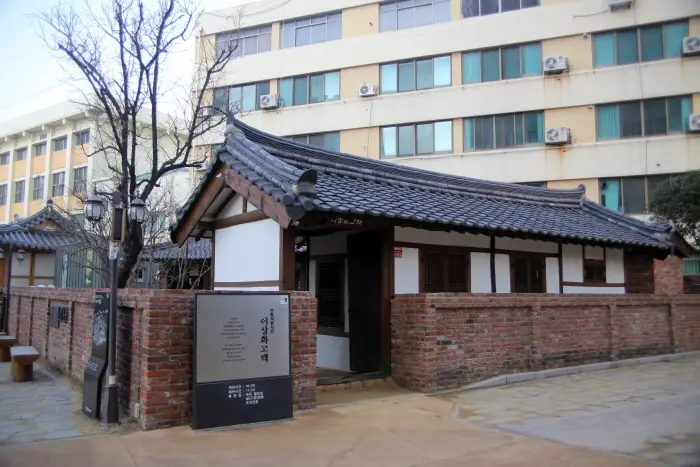
Lee Sang-hwa House
이상화고택
Located at 84 Gyesan-dong 2-ga, Daegu, this old house was the residence, from 1939 until his death in 1943, of the poet Lee Sang-hwa (1901–1943), well known as an anti-Japanese resistance literary figure. It still carries the poetic spirit of Lee Sang-hwa, who lit the torch of resistance for the nation's liberation during the dark years of Japanese colonial rule. The Lee Sang-hwa House began to be preserved through a citizens' movement starting in 1999; the Military Mutual Aid Association purchased the house while building a nearby mixed-use residential-commercial building, and donated it to the city of Daegu on October 27, 2005. MoreLess
- 3Daegu Yangnyeongsi Museum of Oriental Medicine
대구약령시 한의약박물관
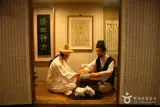
The Museum of Oriental Medicine, an exhibition and cultural space where visitors can see and experience at a glance the more than 350-year history of Yangnyeongsi Market and the origins of Yakjeon-golmok Alley, officially opened in 1993. On a site of about 1,000 pyeong, medicinal herbs of all kinds are planted, and there is Yangnyeong Park, a wellness rest area with acupressure walking paths; visitors can also try traditional games in the museum's courtyard. MoreLess
- 4
Jingolmok Alley
진골목
The name Jingolmok comes from the Gyeongsang-do dialect for 'gin-golmok' (long alley), derived from 'jil-da,' the dialect form of 'gilda,' meaning 'to be long.' Passing through the intersection where the old Daenam Clinic once stood — the former site of Daegu's south gate — and heading about 50m into Jongno, you'll find this alley stretching off to the right. From the Provincial Governor's era until liberation, this alley was the enclave of the Dalseong Seo clan, a local family long rooted in Daegu. MoreLess
- 5
Daegu Seomun Market
대구 서문시장
Seomun Market, once simply called 'Daegu's big market,' moved to its current location in the 1920s after the Cheonhwang Reservoir was filled in, and has a long history. In the Joseon era, the country's three great markets were said to be Daegu, Pyongyang, and Gangyeong. Named Seomun ('West Gate') Market because it stood west of Daegu's old city walls, the market originally occupied the area now known as the motorcycle alley around Bonjeon Coffee House on today's Sijang-bukno, about 300m from the walls, and opened on the 2nd and 7th of each month. Alley names like Hongdukkae-jeon (rice-cake mallet street) and Dak-jeon (chicken street) survive to this day. Textile goods make up the bulk of what's sold, but the market carries virtually everything — silk, fabric, knitwear, crafts, men's and women's clothing, tableware, dried seafood — and is known for its warm, generous atmosphere, with convenient amenities including heating/cooling systems and a large parking lot.MoreLess
- 6
Kim Kwang-seok Street
김광석거리
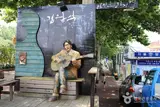
Kim Kwang-seok Street is a mural-lined alley near Bangcheon Market in Daebong-dong, where the late singer Kim Kwang-seok once lived, themed around his life and music. As part of the 'Bangcheon Market Cultural Revitalization Project,' work on Kim Kwang-seok Street began in the alleys of Bangcheon Market in November 2010, with the Jung-gu district office and 11 teams of artists taking part. Along a 350m stretch of wall, murals in a variety of styles depict Kim Kwang-seok — sculptures of him, an image of him ladling out noodles at a street food stall, another gazing out at the sea — along with the lyrics of his songs painted onto the alley walls. Every autumn, a 'Kim Kwang-seok Song Singing Contest' is held around Bangcheon Market and Dongseong-ro, keeping the memory of the late Kim Kwang-seok alive.MoreLess
Source: Korea Tourism Organization (TourAPI) · Machine-translated