A Wellness Trip to Soothe a Tired Body and Mind
3 stops · 8 hours
This course, starting at Shingu Botanic Garden and leading all the way to Yaksasa Temple at Namhansanseong Fortress, is perfect for taking in the nature of Seongnam. At Manggyeongam Hermitage, which overlooks Seoul, an adorably small rock-carved seated Buddha awaits you. The trail from Namhansanseong Recreation Area to Yaksasa Temple has a gentle slope, making it easy for people of all ages to climb.
- Duration
- 8 hours
- Distance
- about 28km
Along the way
- 1
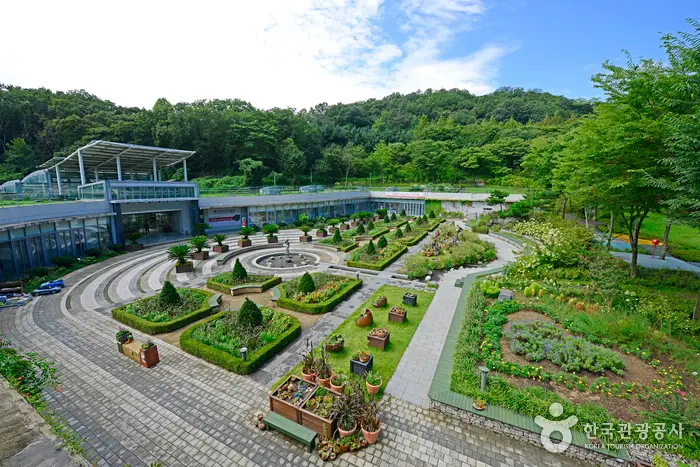
Shingu Botanic Garden
신구대식물원
Opened in May 2003 and now a rising attraction in the heart of the city, Shingu University Botanic Garden holds about 270 species of native plants across roughly 150,000 pyeong of woodland. It is often used as a filming location for dramas and commercials, and is especially popular as a hands-on learning program for children in the greater Seoul metropolitan area. Building on its original eight themed sections, Shingu University Botanic Garden has this year added new sections, including a Teaching Plant Garden, a Wetland Ecology Garden, a Medicinal Herb Garden, a Lotus Garden, a Fruit Tree Garden, and a Tree Observation Garden. MoreLess
- 2
Manggyeongam Hermitage
망경암
Located in Bokjeong-dong, Sujeong-gu, Seongnam-si, Gyeonggi-do, with a sweeping view of Seoul, this hermitage takes its name, Manggyeongam ('Hermitage Looking at the Capital'), from that very view. It is said that from the late Goryeo through the early Joseon period, successive kings personally visited Manggyeongam to pray for the peace of the nation and its people, and within the Joseon royal family, King Sejong's seventh son Pyeongwon Daegun and his grandson Jean Daegun are said to have set up altars at Manggyeongam and Chilseongdae, burning incense there as they pledged themselves to loyalty and filial devotion. MoreLess
- 3
Yaksasa Temple
약사사
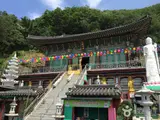
In Buddhism, the Buddha said to heal the illnesses and troubled souls of sentient beings, and to use miraculous power to help them avoid all manner of disaster, is called the Medicine Buddha (Yaksa Yeorae), or the Great King of Medicine. Designated a traditional temple on January 5, 2004, Yaksasa restored and rebuilt its Daeungbojeon main hall, the Seonyeoldang hall, and its restrooms to complete the temple as it stands today. It was also designated a temple-stay temple of Jeollanam-do, and has been reborn as a thousand-year-old temple and place of prayer where the breath of tradition lives on and the fragrance of culture can be felt, its gates now thrown wide open. MoreLess
Source: Korea Tourism Organization (TourAPI) · Machine-translated