A Journey Through Abandoned Temple Sites in a Bleak Autumn
5 stops · 4.5 hours
Wonju, in Gangwon Province, is where the Namhan River road unfolds, stretching from Chungju to Yeoju. The Namhan River was once a major waterway to Hanyang (old Seoul), and goods and trade flourished along it, with large temples established from the Goryeo period onward. The sites of Heungbeopsa, Beopcheonsa, and Geodonsa temples faithfully preserve traces of the past and carry many stories with them. The remnants of stupas and pagodas, still bearing the touch of Goryeo craftsmen's hands, offer a special pleasure to be found at these abandoned temple sites.
- Duration
- 4.5 hours
- Distance
- 30.1km
Along the way
- 1
Site of Heungbeopsa Temple
흥법사지
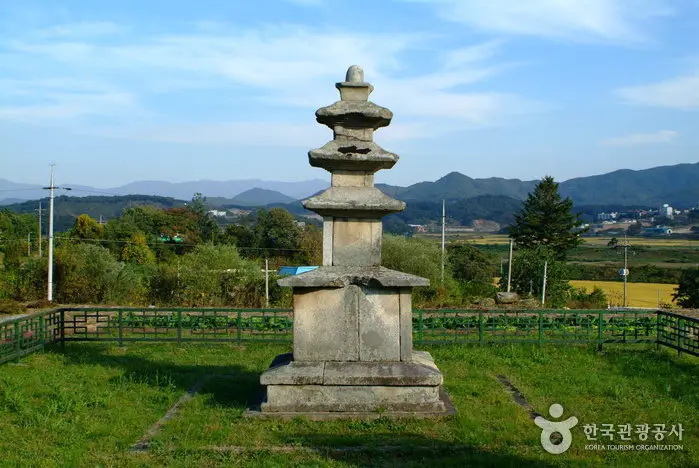
Heungbeopsa was a temple founded in the Silla period but no longer exists; only the three-story stone pagoda of the Heungbeopsa site and the tortoise-shaped base and capstone of the stupa stele for State Preceptor Jingong remain, and the surrounding area has been turned into farmland. The section on the 23rd year of King Taejo's reign in the Goryeosa (History of Goryeo) contains a record referring to 'a stele composed by the king himself for the stupa of State Preceptor Chungjam, at Yeongbongsan in Wonju.' MoreLess
- 2
Stele for Kim Je-nam
김제남신도비
A sindobi is a memorial stele erected near the tomb of a king or high official to record his lifetime achievements for later generations. This stele honors Kim Je-nam (1562-1613), a mid-Joseon-period civil official and father-in-law of King Seonjo, and was designated Gangwon Province Cultural Heritage Material No. 21 on June 2, 1984. MoreLess
- 3
Uimingong Shrine
의민공사우
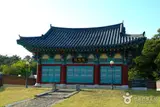
A shrine located in Anchang 1-ri, Jijeong-myeon, Wonju, Gangwon Province. The shrine building was first erected in 1965 and rebuilt in 1997. It has suffered two fires since its construction, and the current building dates from the 1997 reconstruction. The shrine stands below Kim Je-nam's tomb, and the sindobi stele is located 70m to the south. MoreLess
- 4
Site of Beopcheonsa Temple
법천사지
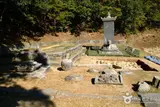
The former site of Beopcheonsa Temple, located at the foot of Obongsan in Buron-myeon, Wonju. It was designated Gangwon Province Monument No. 48 on November 3, 1982, and later redesignated a National Historic Site (No. 466) on August 31, 2005. It covers an area of 71,338㎡. MoreLess
- 5
Site of Geodonsa Temple
거돈사지
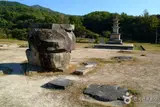
A temple site in Jeongsan-ri, Buron-myeon, Wonju, Gangwon Province, dating from the late Silla to early Goryeo period, said to have been destroyed by fire during the Japanese invasions of Korea (Imjin War). The site retains the foundation of the main hall (geumdangji) and a Buddha pedestal; the arrangement of the base stones suggests a large-scale Buddhist hall once stood here. It also has a three-story stone pagoda (Treasure No. 750), the Stupa Stele of State Preceptor Wongong, built in 1025 (the 16th year of King Hyeonjong of Goryeo) (Treasure No. 78), and a replica of the Stupa Stele of State Preceptor Wongong that was taken abroad (original: Treasure No. 190). MoreLess
Source: Korea Tourism Organization (TourAPI) · Machine-translated