A Journey Back to the Bronze Age
6 stops · 7 hours
Together with Hwasun in Jeollanam-do and Ganghwa in Incheon, Gochang is home to dolmen sites inscribed on the UNESCO World Heritage list. Take a journey back to the Bronze Age at the dolmen cluster, home to more than 2,000 dolmens, and the Dolmen Museum, where you can examine the history and structure of dolmens in detail. With several walking trails laid out around the dolmen cluster, the area is also ideal for a walking course.
- Duration
- 7 hours
- Distance
- 11km
Along the way
- 1Gochang Eupseong (Walled Town)
고창읍성
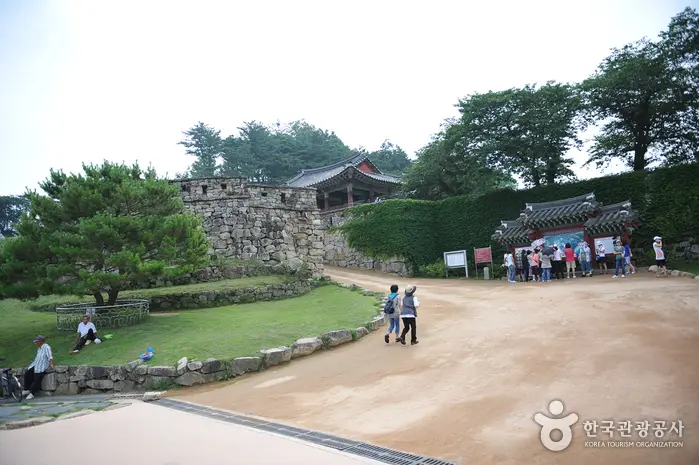
Gochang has the largest concentration of dolmens of any county in Korea. Home to Gochang Eupseong (also called Moyangseong), Seonunsa Temple, and the birthplaces of Dongni Sin Jae-hyo and the poet Midang Seo Jeong-ju, Gochang traces its origins to "Moro-biri-guk," one of the 54 statelets of Mahan during the Samhan period; in the Baekje era it was called "Moryangburi-hyeon" or "Moyang-hyeon," and from the Goryeo period on it has been known as "Gochang-hyeon."MoreLess
- 2
Gochang Dolmen Cluster
고창 고인돌군
About 4km from downtown Gochang, behind Mr. Kim Yeong-in's house in Jidong Village, Dosan-ri, stands a single, neatly preserved northern-style dolmen (with tall flat stones set on either side and a capstone laid over them). Continuing about 3km toward Seonunsa Temple brings you to the sprawling dolmen cluster spread across Sanggap-ri (Asan-myeon), Jungnim-ri, Maesan-ri, and Songam-ri (Gochang-eup), stretching over 2km. \nMoreLess
- 3
Birthplace Site of General Jeon Bong-jun
전봉준 장군 생가터
General Jeon Bong-jun, a central figure and leader of the Donghak Peasant Revolution, was born on December 3, 1855, in Dangchon Village, Jungnim-ri, Gochang-eup, the son of Jeon Jang-hyeok, a village school (seodang) teacher, and lived there until around age 13. At the time the house included a study hall, main quarters, and men's quarters, but all were destroyed during the Donghak Peasant Revolution. \nMoreLess
- 4
Gochang Dolmen Museum
고창고인돌박물관
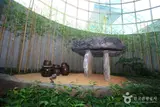
The Gochang Dolmen Museum offers a comprehensive look at various Bronze Age relics and ways of life, as well as dolmen cultures around the world. The permanent exhibition hall is composed of viewing information for the overall exhibition space and a symbolic display area. By condensing the content of the themed exhibition halls into a symbolic display, it draws interest and curiosity about the exhibits, encouraging active engagement and setting the tone for the visit. \nMoreLess
- 5Gochang Eupseong (Walled Town)
고창읍성
Gochang has the largest concentration of dolmens of any county in Korea. Home to Gochang Eupseong (also called Moyangseong), Seonunsa Temple, and the birthplaces of Dongni Sin Jae-hyo and the poet Midang Seo Jeong-ju, Gochang traces its origins to \"Moro-biri-guk,\" one of the 54 statelets of Mahan during the Samhan period; in the Baekje era it was called \"Moryangburi-hyeon\" or \"Moyang-hyeon,\" and from the Goryeo period on it has been known as \"Gochang-hyeon.\" \nMoreLess
- 6
Gochang Dolmen Cluster
고창 고인돌군
About 4km from downtown Gochang, behind Mr. Kim Yeong-in's house in Jidong Village, Dosan-ri, stands a single, neatly preserved northern-style dolmen (with tall flat stones set on either side and a capstone laid over them). Continuing about 3km toward Seonunsa Temple brings you to the sprawling dolmen cluster spread across Sanggap-ri (Asan-myeon), Jungnim-ri, Maesan-ri, and Songam-ri (Gochang-eup), stretching over 2km.MoreLess
Source: Korea Tourism Organization (TourAPI) · Machine-translated